
A new medical appointment can feel heavy before you’ve even walked through the door, especially as part of cancer treatment. A radiation simulation appointment often feels that way, because the name sounds technical and the moment feels personal.
Cancer has a way of turning ordinary rooms into emotional ones. The good news is that this visit is not your radiation therapy dose. It’s the planning step that helps your care team treat the right area, in the right way, with as much care as possible.
Key Takeaways
- A radiation simulation appointment is a planning step, not the actual radiation treatment—it’s where your team maps out precise targeting to protect healthy tissue.
- Preparation is simple: follow your specific instructions (like bladder or diet), wear comfortable clothes, and speak up about pain, anxiety, or positioning needs.
- In the simulation room, expect body positioning, a quick CT scan, possible marks or tattoos, and laser alignment—hold still as instructed, but tell the team if it’s uncomfortable.
- After the scan, your care team builds the treatment plan; ask questions before leaving, like start dates or skin care, to steady yourself for what’s next.
- This visit takes courage—showing up amid uncertainty is a real step forward in your cancer journey.
Why this planning visit matters more than it sounds
The word “simulation” can make it sound like a rehearsal. In a sense, it is, but not in a casual way. This simulation appointment is your treatment planning session, where your team maps out your personalized treatment plan. They study your position, take planning images, and figure out how to target the area that needs radiation while protecting healthy tissue nearby.
Think of it like drawing a route before a long drive. You could guess, but you wouldn’t want to. Precision matters here.
A radiation therapy simulation is a planning day, not a treatment day.
That distinction matters, especially when fear is already loud. Many people arrive expecting something painful or intense. Most are surprised to learn that the hardest part is often the anticipation. If you need the wider picture, this article on one step at a time with radiation treatment can help place this visit in context.
How to prepare before you leave home
Preparation is usually simple, but it isn’t always the same for everyone. Your instructions may depend on where the radiation will be aimed. Some people are told to eat normally. Others may be asked to come with a full bladder or an empty stomach. If the directions feel unclear, call your radiation oncology department and ask. That’s not being difficult. That’s being careful.
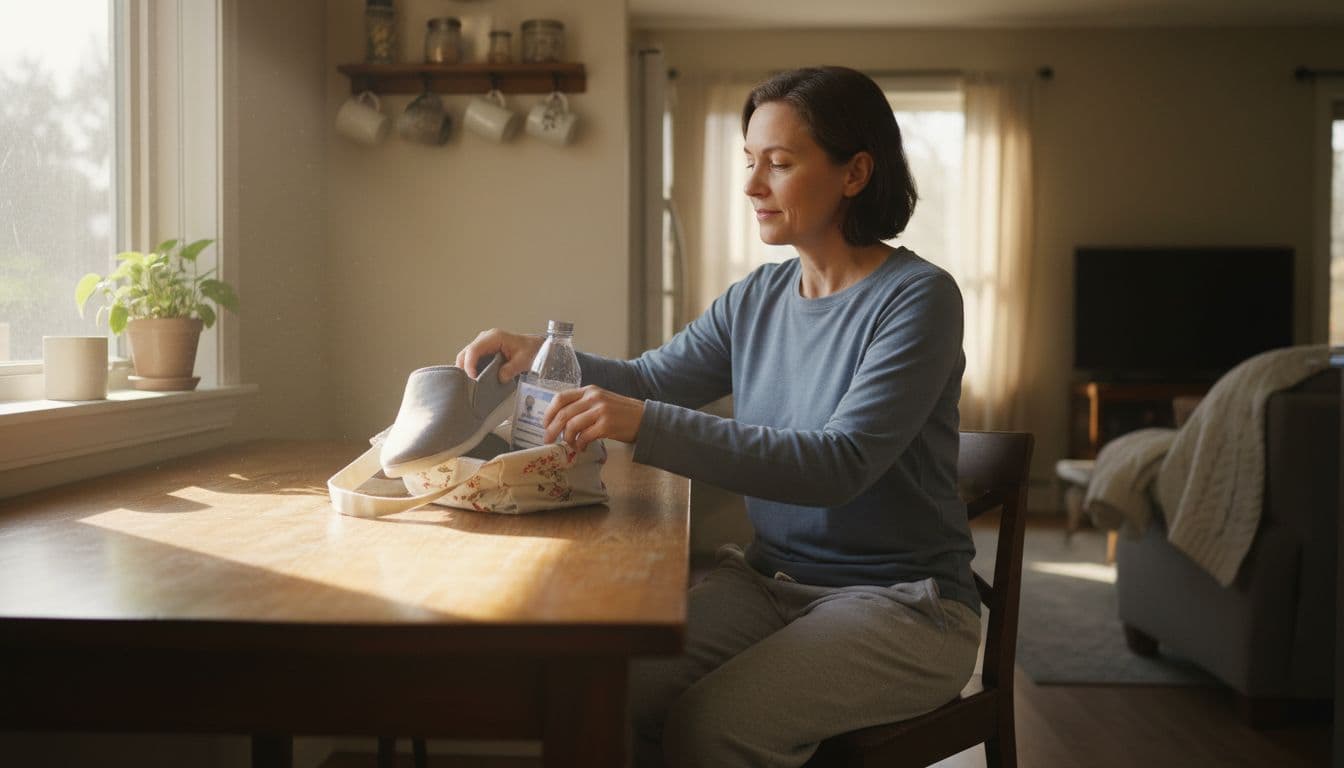
Wear comfortable clothing that is easy to change out of if needed. Bring your ID, insurance card if the office requests it, and a list of medicines if that helps you feel organized. If pain, anxiety, or claustrophobia might affect how still you can lie, say so before the planning appointment. Your care team wants the plan to fit your real body, not some ideal version of you that never gets sore, stiff, or scared.
What usually happens in the simulation room
After check-in, you’ll meet the radiation therapists who help with body positioning and imaging. They do this every day, but they know this may be new to you. Most people are brought into a room with a CT scan, a narrow table, and laser lines used for alignment. It can look intimidating at first, clean, bright, and full of equipment. Then the human part begins. A radiation therapist explains where to lie down, how to place your arms or legs, and what comes next.
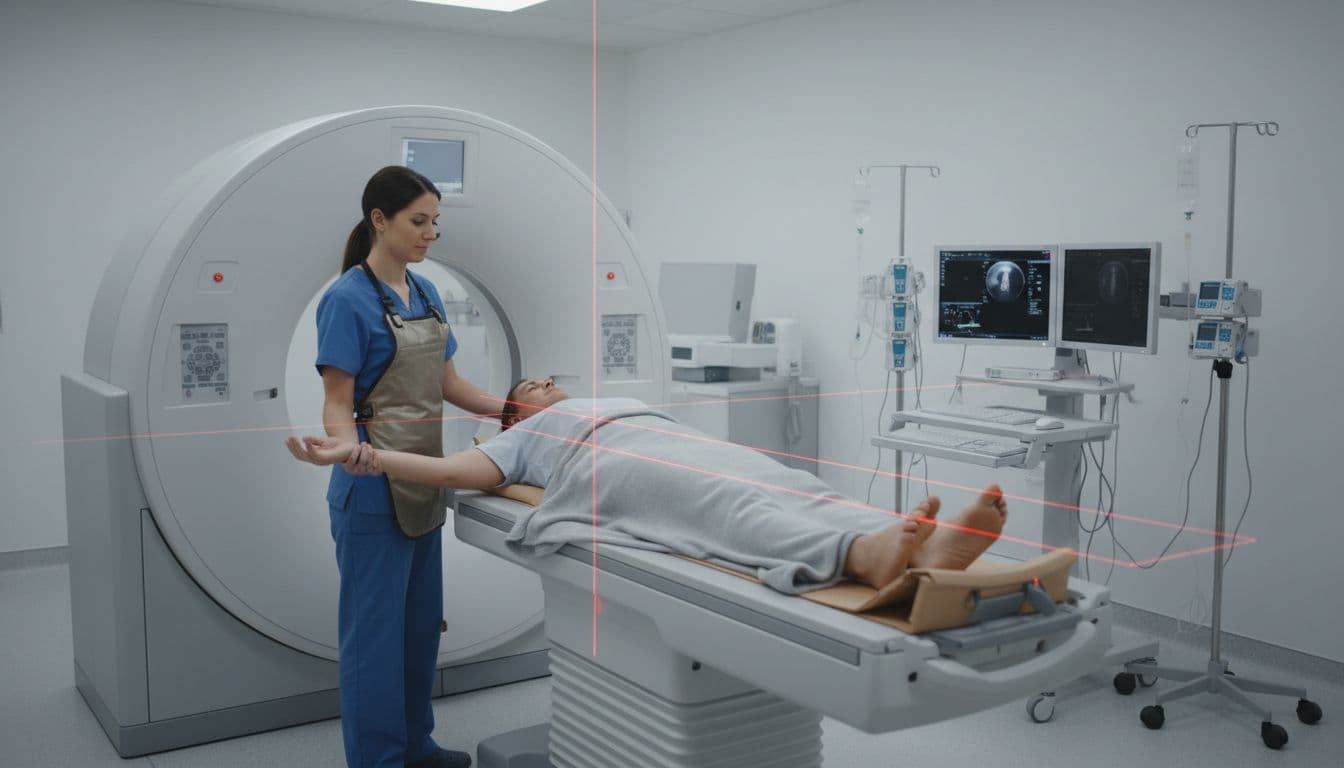
You may be placed in a custom, reproducible position that will be used again during treatment. That can include a headrest, arm support, cushion, or immobilization devices like face masks or molded supports to help you stay still. None of that means something is wrong. It means the team is trying to make the setup repeatable. The CT scan itself, or simulation scan, is usually quick. Getting you in the right position often takes longer than the scan.
Some centers place temporary marks on the skin. Others use tiny permanent tattoos, often no bigger than a freckle. If that is part of your plan, they should explain it first. During the scan, you may hear instructions like “hold still” or “take a normal breath,” and some patients might need contrast materials. You won’t receive your full radiation treatment that day; this is just a dry run for the treatment machine. But you may spend 30 minutes to over an hour there, depending on the area being treated.
The appointment usually isn’t painful. Still, it can be uncomfortable if you have to hold one position for a while. If something hurts, speak up early. Silence helps no one. The team can often make small adjustments that protect both your comfort and the accuracy of the plan.
After the simulation, what comes next
When the scan is done, you usually go home. Your radiation oncologist and planning team, including the medical physicist, then use those images to build your treatment plan for external beam radiation on the linear accelerator. That work takes time. For some people, radiation therapy starts within a few days. For others, it may take a little longer.
You might leave feeling relieved. You might also feel strangely emotional. Both are normal. Cancer doesn’t only affect the body. It trains the mind to brace itself. Even people in remission can feel that old surge of fear when they walk into a scan room or hear medical language that brings everything rushing back.
Before you leave, ask the questions sitting in your chest. When does radiation therapy start? Can you wash off the marks on the radiation site? Do you need to follow any food or bladder instructions next time? What about potential side effects or skin care? Those small answers can steady you more than you expect. And if your mind drifts toward worst-case stories later, this reflection on what-ifs after Cancer may meet you where you are. Your radiation oncologist can help if emotions linger.

There is something quietly brave about this day. Not dramatic bravery. Not movie-scene bravery. The kind that shows up, lies still, asks a question, and lets the next step happen.
Frequently Asked Questions
What is a radiation simulation appointment?
It’s the planning session before radiation therapy, like mapping a precise route. Your team uses a CT scan and positioning to target cancer while sparing healthy areas. No radiation dose is given—it’s a dry run for accuracy.
Will I receive radiation treatment during the simulation?
No, this is not a treatment day. You’ll have imaging and setup, but the actual radiation happens later on the linear accelerator. Many find the anticipation harder than the appointment itself.
How should I prepare for my simulation appointment?
Follow your instructions, which may include a full bladder, empty stomach, or normal eating depending on the treatment area. Wear easy-to-change comfortable clothes, bring ID and meds list, and mention any anxiety or pain issues upfront. Call if directions feel unclear—being careful matters.
What happens during the appointment?
You’ll meet therapists who position you on a CT table with supports or masks for repeatability, align with lasers, and do a quick scan. Temporary marks or tiny tattoos may be applied. It usually lasts 30-60 minutes and isn’t painful, but speak up if holding still hurts.
What comes next after simulation?
Your oncologist and physicist use the images to create your personalized plan, which may take days. Treatment often starts soon after. Ask about start dates, mark care, side effects, or instructions before leaving to ease your mind.
A small room, a real step forward
A radiation simulation appointment can feel mysterious before it happens. Once you understand it, this radiation simulation appointment becomes what it is, a careful setup for radiation therapy within your cancer treatment journey that is built around your body and your care.
That may not erase fear, but it can make the fear smaller. And sometimes that is enough for one day. Cancer asks a lot from people. Showing up for this appointment, with all the uncertainty it carries and the follow-up visits ahead, is its own form of courage.