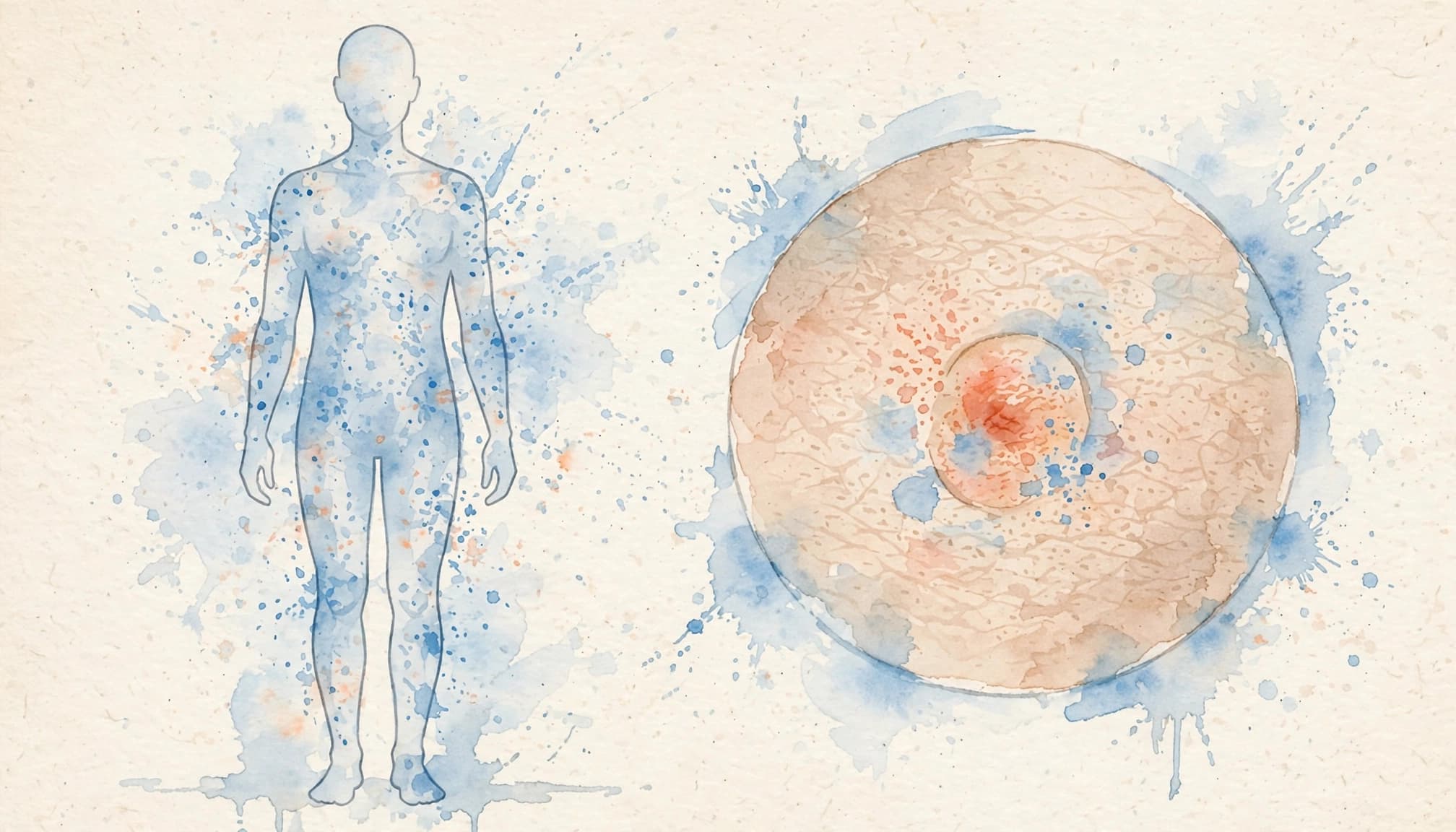


Radiation proctitis is injury to the rectal lining after pelvic radiation therapy. It can cause diarrhea, urgency, pain or bleeding, and new symptoms deserve attention, even when treatment has ended.
After treatment for a life-threatening disease, we often hope for days that feel familiar again. Bowel problems can interrupt that hope, but you don’t have to endure them without help. Knowing the timing and warning signs can make your next step clearer.
Key Takeaways
- Early symptoms usually improve within weeks after radiation ends; late injury can appear years afterward.
- Report new bleeding, persistent diarrhea or worsening pain promptly. Heavy bleeding, fainting or possible bowel blockage needs emergency care.
- Treatment depends on the cause and severity. Specialists have several options for persistent bleeding.
What Radiation Proctitis Means
Pelvic radiation therapy treats cancers such as prostate, cervical, rectal and bladder cancer. Nearby healthy rectal tissue can also receive radiation and develop injury.

Acute injury starts early
Acute radiation proctitis usually begins during treatment or within a few weeks of starting it. Radiation disrupts the rectal mucosa’s ability to renew itself, which can cause irritation, loose stools and urgency.
Most early cases settle as the lining heals, often within a few weeks after treatment finishes. Tell your team about symptoms rather than waiting for them to pass.
Chronic injury can arrive much later
Chronic radiation proctitis can begin three months after treatment, sometimes years or decades later. Scarring, called fibrosis, and fragile abnormal blood vessels, called telangiectasias, can develop.
Doctors often use radiation proctopathy for this later damage, while medical records may also use the term radiation-induced proctitis. Radiation proctopathy describes tissue injury more accurately than proctitis, which suggests ongoing inflammation.
Symptoms That Deserve a Call
Bowel changes can make leaving home feel uncertain. There is courage in describing something uncomfortable, especially when you’ve already faced so much.
Contact your team promptly
Report diarrhea, sudden urgency, cramping, mucus discharge or new rectal bleeding. Tenesmus means feeling that you still need to pass stool even after you’ve emptied your bowel.
Call the same day about repeated bleeding, worsening pain, frequent diarrhea, dizziness or difficulty drinking enough. Mention fecal incontinence, or loss of bowel control, too.
Tell your team when symptoms began, how often you use the bathroom and whether symptoms interrupt sleep or daily activities.
Know when to seek emergency help
Seek emergency care for heavy or continuing bleeding, large clots, fainting, severe weakness or severe abdominal pain. A swollen abdomen with vomiting and inability to pass stool or gas can signal bowel obstruction.
Severe chronic injury can cause strictures, which narrow the bowel. It can also create an abnormal passage between organs, called a fistula. These complications need specialist assessment.
Why Risk Differs Between People
Larger treatment fields, higher radiation exposure and chemotherapy during radiation increase risk. Diabetes, hypertension, smoking, inflammatory bowel disease and connective-tissue conditions such as scleroderma also matter.
Clinical summaries describe these broad dose associations. Gy, or gray, measures radiation dose.
| Radiation dose | Reported association |
|---|---|
| Below 45 Gy | Minimal long-term effects |
| 45 to 70 Gy | More complications, generally of lesser intensity |
| Above 70 Gy | Greater risk of longstanding tissue injury |
These bands don’t predict your outcome. The dose reaching the rectum, the amount of tissue exposed and the treatment schedule matter more than the prescribed tumor dose alone.
A clinical review of radiation injury reports lower complication rates with brachytherapy, which places radiation inside the body, than with external-beam radiation. The cited comparisons were 6% versus 43% for acute complications and 2% versus 21% for chronic complications.
Those figures describe particular studies, not every modern treatment plan. Published estimates of chronic disease also vary because studies use different definitions, techniques and follow-up periods.
Risk factors help your team plan care. They don’t tell the whole story of your recovery.
How Doctors Find the Cause
Symptoms alone can’t confirm radiation proctitis. Infection, hemorrhoids, medication effects, inflammatory bowel disease and recurrent cancer can cause overlapping problems.
Your history and initial tests
Your clinician reviews treatment dates, medicines and bowel changes. Blood tests can identify anemia from bleeding; stool tests can look for infection.
Pelvic radiation can also injure bowel beyond the rectum. The National Cancer Institute’s bowel guidance describes these broader effects.
A CT scan can help investigate obstruction or possible recurrence. MRI can help assess a suspected fistula.
A careful examination of the rectum
An experienced gastroenterologist or colorectal surgeon may use rigid or flexible sigmoidoscopy to view the rectal lining. Radiation-damaged tissue tears easily, so the examination carries a risk of perforation, a hole in the bowel wall.
Doctors generally avoid taking tissue samples during acute injury because biopsy can cause bleeding, poor healing or a fistula. A specialist weighs any need for sampling.
Your records may mention RTOG acute-toxicity grades, EORTC late-toxicity grades or CTCAE scores. These systems describe symptom severity and help clinicians track changes. They don’t replace your account of daily life.
Supportive Care for Daily Comfort

Supportive care starts with fluids, adequate nutrition and relief for pain and urgency. Your clinician may recommend an antidiarrheal medicine, pain treatment or medicine for bowel spasms. A warm sitz bath can ease soreness around the anus.
Dietary changes should reflect individual tolerance. During diarrhea, large fatty meals, alcohol, caffeine or spicy foods may worsen symptoms. Some people temporarily tolerate less lactose or rough, insoluble fiber.
Avoid broad restrictions that leave you hungry or undernourished. A dietitian can help you adjust meals without losing needed calories and protein. No single diet reliably treats radiation injury.
Our discussion of supportive care during cancer treatment addresses everyday needs alongside medical treatment.
Don’t change your radiation schedule yourself. Your oncology team decides whether symptoms require a treatment adjustment.
Treatments for Ongoing Rectal Bleeding
Chronic bleeding deserves assessment, even when each episode seems small. Repeated blood loss can cause anemia and fatigue.
Medicines and local treatments
Sucralfate enemas can help control chronic radiation-related bleeding. They coat the injured surface. Oral or systemic sucralfate doesn’t provide the same treatment and isn’t recommended for this purpose.
A specialist may use formalin to chemically seal fragile bleeding vessels. This treatment needs careful application because it can injure surrounding tissue.
Ask the prescriber to review aspirin, warfarin and other blood-thinning medicines if you have rectal bleeding. Don’t stop prescribed medicines yourself.
When specialist procedures become necessary
Argon plasma coagulation uses controlled heat through an endoscope to seal bleeding vessels. It can help persistent bleeding, but it also carries risks, including ulcers and further tissue injury.
Hyperbaric oxygen therapy involves breathing oxygen in a pressurized chamber to support healing. It requires a specialist assessment and repeated sessions.
The eviQ guidance on proctitis care describes these treatment options. Evidence remains limited for several approaches, and no single sequence suits everyone.
Doctors reserve surgery for selected severe problems, such as uncontrolled bleeding, obstruction or fistulas. Referral to a gastrointestinal specialist helps match treatment to the injury.
Reducing Risk and Planning Follow-Up
Radiation teams limit rectal exposure through beam-shaping and image-guided approaches, including intensity-modulated radiation therapy (IMRT), IGRT and VMAT. Our discussion of modern radiation therapy techniques explains how more precise targeting helps protect healthy tissue.
The 2014 MASCC/ISOO clinical practice guidelines include a recommendation for intravenous amifostine to prevent radiation proctitis. It isn’t a routine choice for every patient; the radiation oncologist weighs its suitability and side effects.
Keep your treatment dates available for future clinicians. Ask your team which changes require a same-day call, whom to contact after hours and when specialist referral would help.
Remission can bring relief while follow-up still requires attention. New bowel symptoms deserve assessment even after reassuring cancer results.
Frequently Asked Questions
Does radiation proctitis go away?
Acute symptoms often settle within a few weeks after radiation ends. Chronic injury follows a less predictable course and may need ongoing treatment.
Care can reduce bleeding, urgency and discomfort, but established scarring may persist. Your team follows symptoms, blood counts and examination findings to judge progress. Tell them when improvement stalls or symptoms return.
Does rectal bleeding mean the cancer has returned?
Bleeding alone doesn’t establish recurrence. Radiation injury, hemorrhoids, infection and other conditions can also cause it.
The safest response is to report the bleeding and let your team investigate. Mention the amount, color, frequency and any pain or dizziness. A reassuring earlier scan doesn’t explain a new symptom, and you don’t need to identify its cause before asking for care.
Make Room for Your Bowel Concerns
You don’t have to wait until bowel symptoms become unbearable to ask for help. Early communication gives your team a chance to identify the cause and offer care that fits.
Report new bleeding or persistent changes promptly. Seek emergency help for heavy bleeding, fainting or signs of blockage.
We can make room for hope and attention to symptoms at the same time. Asking for relief belongs in recovery too.