
A bottle on the counter can look harmless. During cancer treatment, it may not be. Many patients research supplements bleeding risk before beginning therapy, since some supplements can make it easier to bruise or bleed, especially if you’re on chemotherapy, blood thinners, or heading toward a biopsy or surgery.
That can feel unfair. When you’re trying to heal, you don’t want one more hidden risk. Still, knowing which products deserve extra caution can help you ask better questions and protect your body.
Key Takeaways
- Many common supplements like fish oil, vitamin E, garlic, ginkgo biloba, ginger, turmeric, and vitamin K can increase bleeding risk during cancer treatment, especially with low platelets, blood thinners, or before procedures.
- “Natural” doesn’t mean risk-free—high-dose capsules differ from food amounts and can tip your body’s clotting balance when it’s already strained.
- Always tell your oncology team about every supplement, bringing bottles or label photos; they can guide safe choices or needed pauses.
- Watch for bleeding signs like prolonged nosebleeds, large bruises, or bloody stools, and call your team promptly if they appear.
- Even in remission, caution matters with ongoing meds, hormone therapy, or surgeries—hidden interactions lose power when named.
Why bleeding risk changes during cancer treatment
Cancer care already asks a lot from your blood. Chemotherapy can lower platelet counts, and platelets help form clots. Some targeted drugs and steroids can shift the picture, too. If you also take aspirin, warfarin, apixaban, or another blood thinner, the margin for safety can get narrow.
Many people start supplements for good reasons. They want better sleep, less pain, more energy, or some sense of control. Yet during treatment, especially if you take anticoagulants, the question is not whether a product sounds healthy. The question is whether it fits safely with your medicines, your platelet count, and your care plan.
If you’ve searched supplements bleeding risk, you’re trying to solve a real problem. The phrase sounds clinical. In daily life, it can mean a nosebleed that won’t stop, a bruise that spreads fast, or extra worry before a procedure. Your body relies on platelets, clotting factors, and the coagulation cascade to maintain hemostasis, the balance that prevents excessive bleeding or clotting. A supplement does not have to cause bleeding on its own. It may only need to tip the balance while your body is already under strain, and disruptions can increase the risk of a blood clot.
The National Cancer Institute’s guidance on supplement interactions during cancer therapy warns that herbs and dietary products can affect treatment and other medicines.
“Natural” on the label does not mean “risk-free” during treatment.
Risk also stays relevant in remission. Some people continue hormone therapy, take anticoagulants after a clot, or need dental work and surgery long after active treatment ends. The body may look calmer on the outside, yet it still deserves careful choices.
Common supplements that deserve extra caution
A few products come up again and again when bleeding concerns are discussed. This does not mean every person will have a problem. Dose, timing, other medicines, liver function, and your platelet count all matter.
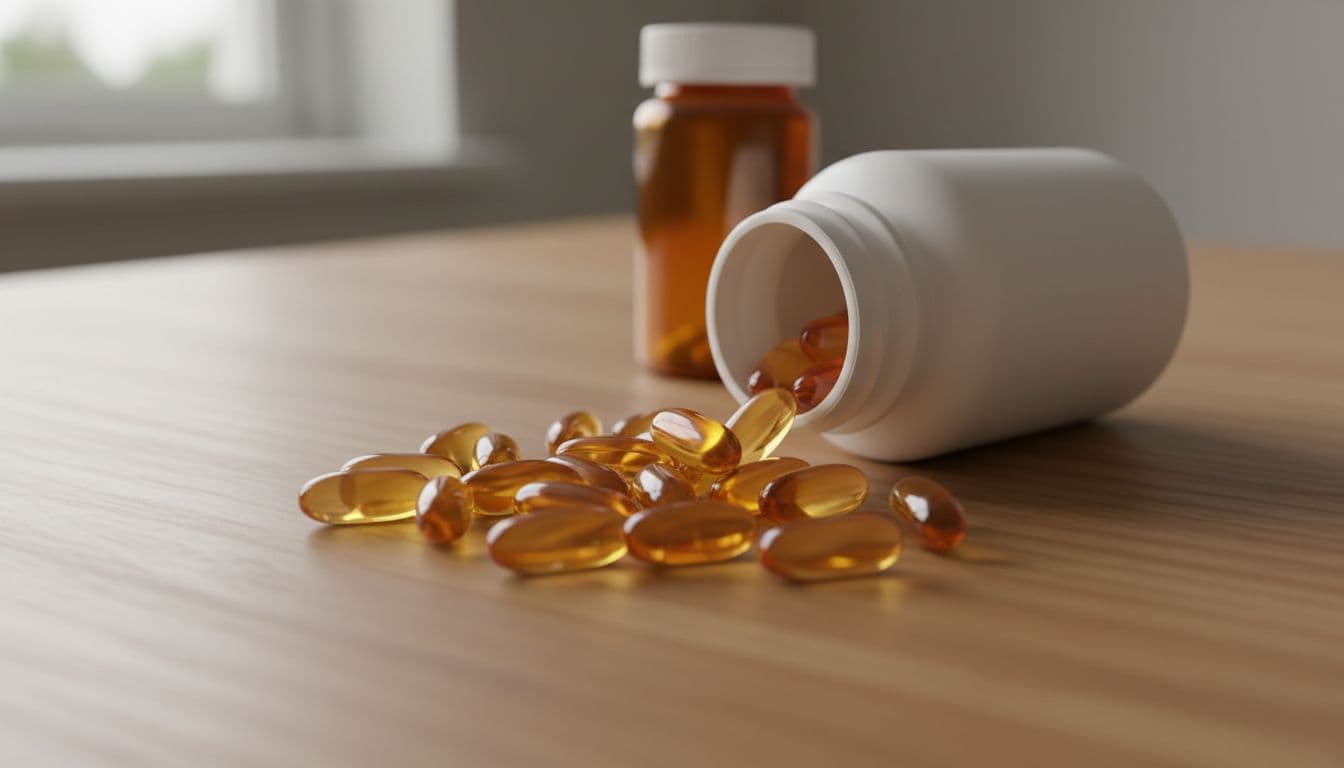
Blood-thinning dietary supplements can impact platelet function and platelet aggregation. This quick table shows the main pattern.
| Supplement | Why it can matter | When risk may rise |
|---|---|---|
| Fish oil or omega-3 fatty acids | High doses may reduce platelet stickiness | If you take a blood thinner or have low platelets |
| Vitamin E | Large doses may increase bleeding risk | With anticoagulants, aspirin, or elective surgery ahead |
| Garlic supplements | Concentrated forms may act like mild blood thinners | Before procedures or with other blood-thinning drugs |
| Ginkgo biloba | Linked to bleeding reports and drug interactions | With anticoagulants or bleeding disorders |
| Ginger supplements | High-dose capsules may increase bleeding risk in some people | With blood thinners or stomach irritation |
| Turmeric supplements | Curcumin content may thin blood | With blood thinners or before procedures |
| Vitamin K supplements | Inconsistent levels can destabilize anticoagulants | If on warfarin or similar blood thinners |
The biggest clue is concentration. Cooking with garlic, ginger, or turmeric is different from swallowing a high-dose capsule every day. Food and dietary supplements are not always interchangeable. A capsule can pack far more than a normal meal.
Fish oil is a good example. Many people take it for heart health, dry eyes, or joint pain. Yet during treatment, especially before elective surgery, it may deserve a pause with a washout period to minimize surgical bleeding. The same caution applies to high-dose vitamin E, ginkgo biloba, and herbal supplements sold for “circulation” or “memory.” A medical review on dietary supplements and bleeding describes many of these concerns in more detail.
Blended products can be the hardest to judge. A powder or gummy may contain several herbs, each in small print. The front label may promise calm, focus, or immune support. Meanwhile, the back label may hide ingredients that matter when you’re on treatment, partly due to lack of strict FDA regulation.
What should you not do? Don’t stop a prescribed blood thinner on your own. Also, don’t assume a supplement is safe because you’ve taken it for years. The ground shifts during treatment. What felt harmless before diagnosis may behave differently now.
What to tell your oncology team, even in remission
The safest dietary supplement is the one your care team knows about. That includes vitamins, teas, powders, tinctures, protein blends, gummies, and sleep aids. Even products you take “only sometimes” belong on the list.

Bring the bottles to visits if you can. If not, take photos of the front and back labels. Dose matters. So does the reason you take it. A magnesium pill for cramps raises different questions than a “natural immune booster” with ten herbs in one scoop.
If your clinic has an oncology pharmacist, use that resource. A recent study on supplement-drug interactions and bleeding in people with cancer reflects why this review matters. Supplements can interact with treatment in ways that are easy to miss until bleeding shows up.
As of April 2026, there is no new cancer-specific guideline that changes the basic advice. Caution still matters most. Your team may ask you to stop some supplements a week or two before surgery, hold them during low platelet counts, or avoid them while you take an anticoagulant, particularly if you are on antiplatelet drugs or have bleeding disorders where INR and prothrombin time are monitored closely. That kind of pause is not failure. It is care.
Call your team sooner if you notice signs such as:
- nosebleeds that last longer than 10 minutes
- black or tarry stools
- vomiting blood or material that looks like coffee grounds
- new large bruises, bleeding gums, or tiny red spots on the skin
There is also an emotional side to this. A supplement can feel like hope in a bottle. When so much seems uncertain, taking something can feel better than waiting. That feeling is human. Still, one quiet form of courage is asking, “Does this help me, or could it harm me right now?”
Frequently Asked Questions
Which supplements raise bleeding risk the most during cancer treatment?
Fish oil, vitamin E, garlic, ginkgo biloba, ginger, turmeric, and vitamin K top the list. They can affect platelet function or interact with blood thinners and chemo. Dose matters—capsules often carry more risk than culinary amounts.
Should I stop all my supplements right away?
Don’t stop prescribed meds or assume safety on your own. Bring everything to your oncology team for review; some are fine, others may need a temporary pause based on your platelets, drugs, and schedule. This protects you without unnecessary worry.
Does bleeding risk from supplements matter if I’m in remission?
Yes, if you’re on hormone therapy, anticoagulants, or facing dental work or surgery. Your body may still need that clotting balance. Share your full supplement list to stay safe.
How do I talk to my doctor about supplements?
Bring bottles or label photos to visits, note doses and reasons for taking them. Ask about interactions with your treatment plan. Oncology pharmacists can help spot issues you might miss.
What are signs I should call my team about bleeding?
Look for nosebleeds over 10 minutes, black/tarry stools, vomiting blood or coffee-ground material, large new bruises, bleeding gums, or skin spots. These signal imbalance. Call sooner rather than later—your team wants to know.
A safer next step
During cancer treatment, small choices can carry extra weight. A capsule from the health store, or even essential oils, may look minor, yet it can matter when platelets are low or a blood thinner is on board.
Your body has already carried enough. Protect it, and your platelets, with one clear habit: tell your oncology team about every dietary supplement you take, whether you’re in active treatment, in remission, or during recovery. Hidden risks lose power once they are named.