When you come home with a Jackson-Pratt drain, the small bulb can feel bigger than the surgery itself. After cancer surgery, even simple tasks can carry extra weight with this surgical drain.
JP drain care is usually manageable, but it helps to know what is normal, what needs attention, and what should never wait. If you’re in treatment, or even in remission and facing another procedure, that old fear can rise fast.
The good news is that a steady routine makes this easier. Start with the basics, and let your surgeon’s instructions lead the way.
Key Takeaways
- Build a simple daily routine: wash hands thoroughly, empty the bulb into a measuring container, record volume/color/time/date, squeeze it flat while cleaning and replacing the stopper to restore suction, then secure it safely.
- Clean the insertion site gently with soap and water or as instructed, pat dry, and use a pin or pouch to prevent pulling—short walks help, but avoid heavy lifting.
- Track drainage changes (dark red to pink to pale yellow) in your log, as consistency helps your team monitor healing and spot issues early.
- Call your healthcare provider right away for fever over 100.4°F, increased pain, sudden drainage shifts, no output, or a bulb that won’t stay compressed—trust your instincts.
What a JP drain is doing while you heal
A Jackson-Pratt drain pulls fluid away from the surgery area, such as after reconstructive surgery. That helps lower swelling and can reduce the risk of infection. The collection bulb creates gentle negative pressure, so it needs to stay compressed to work well.
If the drain makes you uneasy, you’re not alone. Many people feel nervous about the tubing, the fluid, or the idea of caring for it at home. Still, this is one of those quiet forms of courage that cancer recovery asks of you. You keep going, one small task at a time.
A Cleveland Clinic guide to JP drains explains the basics clearly. In most cases, the bloody drainage looks darker red at first, then turns pink, and later becomes serous drainage that is pale yellow or straw-colored. Your own pattern may differ, so your healthcare provider’s instructions come first.
What matters most is consistency. Look at the drain, empty it on schedule, and keep a simple record. Those ordinary steps tell your care team how healing is going and help you spot signs of infection early.
A daily JP drain care routine that feels doable
The bulb can feel like a clock you carry around. It asks for attention in the morning and again at night. A calm routine helps because you don’t have to rethink each step.

Most home care follows the same pattern:
- Perform thorough hand washing before touching the drain.
- Open the stopper and empty the bulb into a clean measuring container.
- Record the fluid volume from the measuring container, date, time, and color in your drainage log. If you have more than one drain, record each one’s fluid volume separately.
- Squeeze the bulb to keep it compressed, clean the port with an alcohol wipe, then replace the stopper while still squeezing. This restores suction.
- Secure the drain to your shirt, bra, belt, or drain pouch so it doesn’t pull.
If the bulb won’t stay flat after you close it, call your care team. The drain may not be holding suction.
Some nurses also teach you to milk the tubing if small clots slow the flow. Do that only if your team showed you how. Milking the tubing should feel gentle, not forceful, to help clear clots.
A Memorial Sloan Kettering drain care page offers a clear walk-through of these steps. If you like paper instructions, the UW Medicine patient handout includes an easy drainage log.
Many healthcare providers perform drain removal when output stays low, often around 20 to 30 mL over 24 hours for two days. Still, your healthcare provider decides when it’s time.
Cleaning the site, showering, sleeping, and moving around
The insertion site, where the tube enters your body and a suture typically holds it in place, needs gentle care. Wash your hands first. Then clean the insertion site with soap and water, or use an alcohol wipe for skin prep exactly as your nurse instructed. Pat it dry. Don’t rub.
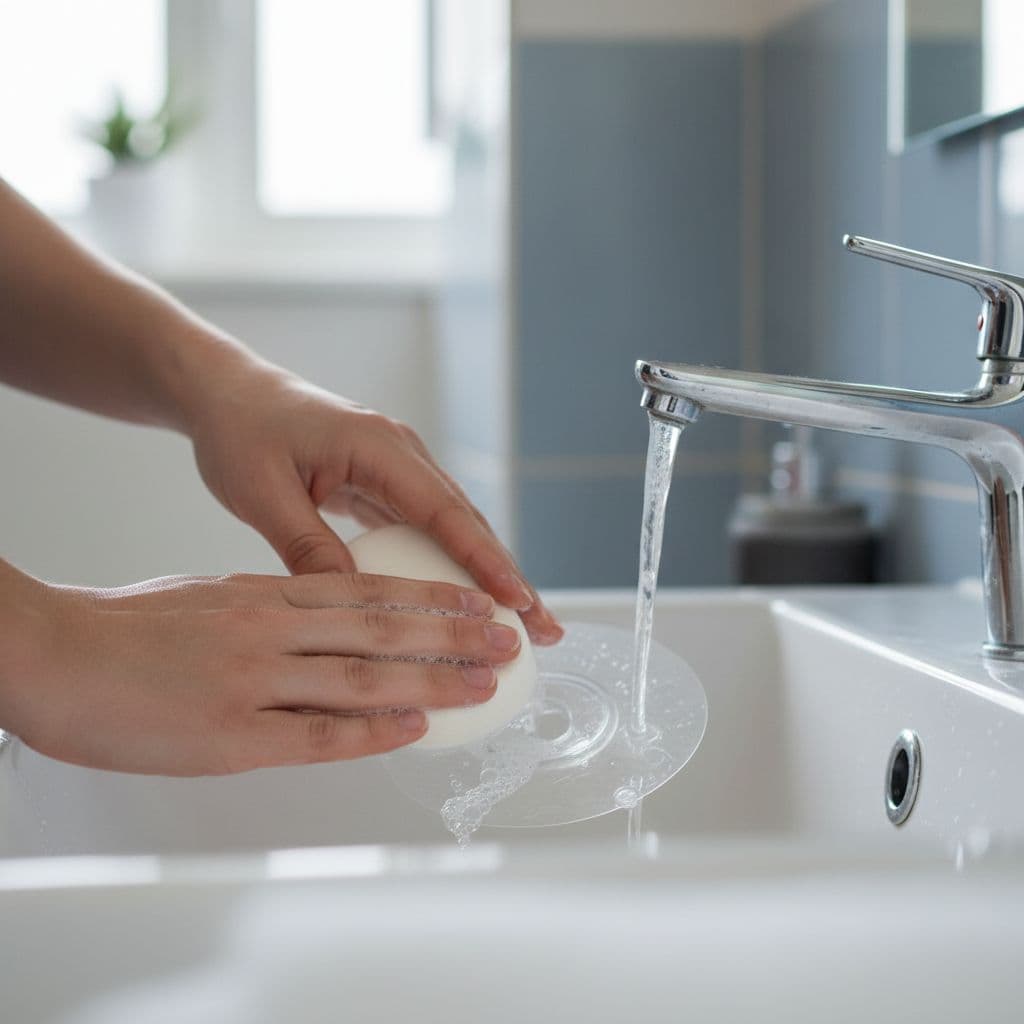
If you have a surgical dressing, perform a dressing change when it gets wet or dirty using sterile gauze. Clean the area with soap and water first. Keep the tube from tugging on the skin, because pulling can cause pain and slow healing. A small safety pin, drain belt, or pocketed camisole can help.
Showering is often allowed once your surgeon says yes. Baths, hot tubs, and pools usually have to wait. After a shower, pat the site dry, change the surgical dressing if needed, and make sure the bulb is secure. If you had breast surgery, many people find that sleeping on the back or the side away from the drain is easier. A pillow can add support.
Activity matters too. Short walks are usually helpful, but heavy lifting and hard pulling are not. Your body is doing careful work under the surface, even when you can’t see it. Give it room to mend.
Frequently Asked Questions
How often should I empty my JP drain?
Most people empty the bulb twice a day, like morning and night, or when it’s half full—follow your care team’s schedule. Wash hands first, measure the output precisely, and log the details. This steady habit makes care feel routine and reveals how your healing is progressing.
What does normal JP drain output look like?
Drainage often starts as darker red and bloody, shifts to pink, then becomes pale yellow or straw-colored serous fluid as healing advances. The amount typically decreases over time, leading to removal when it’s low like 20-30 mL per 24 hours for two days. Your provider’s guidance on your specific pattern always comes first.
When can I shower with a JP drain?
Showering is usually fine once your surgeon approves, but skip baths, hot tubs, or pools. After showering, pat the site dry, clean if needed, and secure the bulb and dressing. Keep the tube from tugging to stay comfortable and support healing.
What if my JP drain bulb won’t stay compressed?
If the bulb pops open after squeezing and closing, don’t force it—call your care team right away, as it may not be holding suction. They can check for clogs or issues. In the meantime, keep it clean and secure.
When is my JP drain removed?
Your healthcare provider decides based on low output, often around 20-30 mL over 24 hours for a couple of days. They handle removal in clinic—it’s quick and doesn’t usually hurt much. Stick to your logging routine to help them make the call.
Signs you should call your healthcare provider right away
Most drain problems are fixible, especially when you catch them early. Pay attention to changes, because your log and your observations tell a fuller story than memory alone.
Call your healthcare provider if you notice signs of infection or fever, or any of these problems:
- Signs of infection, such as a fever over 100.4 F, chills, redness, swelling, warmth, or bad-smelling drainage at the site
- More pain at the drain site, especially if it gets worse
- Bloody drainage, or a sudden jump in the amount of fluid
- No drainage at all when there had been steady output before
- A collection bulb that won’t stay compressed
- A drain that falls out, leaks a lot, or pulls loose
Fear can make every change feel huge. Still, some changes do deserve fast attention, especially signs of infection or fever. When in doubt, call. You are not bothering anyone by protecting your healing.
JP drain care is not about being perfect. It’s about noticing, recording, and speaking up when something shifts.
JP drain care asks for a quiet kind of courage. You empty the bulb, wash your hands, write down the numbers, and trust that these small acts matter.
They do matter. With a steady routine and a low threshold for calling your care team, your Jackson-Pratt drain care at home becomes less mysterious and more manageable, one careful day at a time.