
The first week after surgery can feel like walking through fog with a flashlight, whether it was minimally invasive surgery or a more traditional technique. You can only see a few steps ahead, and that can be scary. If you’re in cancer surgery recovery, that uncertainty often sits right beside the pain.
You may feel relieved, shaken, sleepy, or all three at once. Most of all, you may wonder, “Is this normal?” The answer is often yes, although your surgeon’s instructions always come first. Many hospitals now use ERAS protocols to help standardize this first week of recovery. Here’s what many people experience in those first seven days.
Key Takeaways
- The first week of cancer surgery recovery often feels blurry and foggy, with soreness, swelling, and attachments like IVs or drains, but small actions like wiggling toes, coughing, or short walks kickstart healing and prevent complications.
- Pain may feel like pressure or tightness rather than sharpness; speak up early for relief, as comprehensive management including meds, fluids, and light meals helps manage nausea, appetite loss, and bowel slowdown.
- Days 5-7 can feel unexpectedly hard with discharge to home, where pacing activity, wound care, emotional swings, and support from loved ones or pros make the difference—trust your instincts and call your team if something feels off.
- Recovery isn’t a straight road but measured in tiny wins: one sip, one step, one honest ask for help; rest is healing, not weakness.
The first 24 hours often feel blurry
When you first wake up in the recovery area, your body may feel heavy and strange. Your throat might be sore from the breathing tube. Your mouth may feel dry. Some people feel cold, shaky, or sick to their stomach.
You may also notice things attached to you, an IV, a drain, a catheter, oxygen, or a monitor. That can be unsettling. Still, it usually means your care team is tracking pain (often through patient controlled analgesia), fluid, and breathing closely.
Pain doesn’t always feel sharp. Sometimes it shows up as pressure, burning, tightness, or deep soreness. This pain may be numbed by local anaesthetic or localized pain relief at the site. In addition, general anaesthetic can leave you groggy and emotional. Tears may come without warning. That doesn’t mean you’re falling apart. It means your body has been through something hard.
Some people go home the same day. Others stay a night or longer. As you stabilize, you may transition to an inpatient ward. It depends on the type of surgery, your health, and how you’re doing after the procedure.
Even in those first hours, small actions matter as critical components of early mobilization. A nurse may ask you to wiggle your feet, cough, use an incentive spirometer, or sit on the edge of the bed. These tasks can feel tiny, almost silly. They’re not. They’re your first quiet acts of courage.
If you feel pain or nausea rising, speak up early. Don’t wait until it becomes overwhelming. Relief works better when you catch discomfort before it peaks. For procedure-specific examples, especially after breast surgery, Cancer Research UK’s overview of what happens after surgery shows how different the first hours can look.
Days 2 to 4 bring pain, swelling, and the first short walks
By now, the fog starts to thin, but the soreness often becomes more real. Comprehensive pain management matters because pain can build when doses wear off. You may also notice swelling, bruising, numbness, or a pulling feeling near the incision.

Rest helps, but too much stillness can make you feel worse. Short walks, even to the bathroom or down the hall, help wake the body up. They can also lower the risk of blood clots and other complications. The goal isn’t distance. It’s motion.
Pain relief is part of healing. You do not have to prove strength by suffering through it.
Your appetite may be off. That’s common. Anesthesia, stress, and pain medicine can affect bowel function and nutritional status, slowing everything down. Therefore, fluids, light meals, and stool softeners or any bowel plan your team recommended can make a real difference.
Sleep may feel choppy too. Hospitals are noisy, and home can feel awkward if you can’t find a good position. Pillows become tools. Recliners become close friends. Recovery can feel less like a straight road and more like learning a new rhythm.
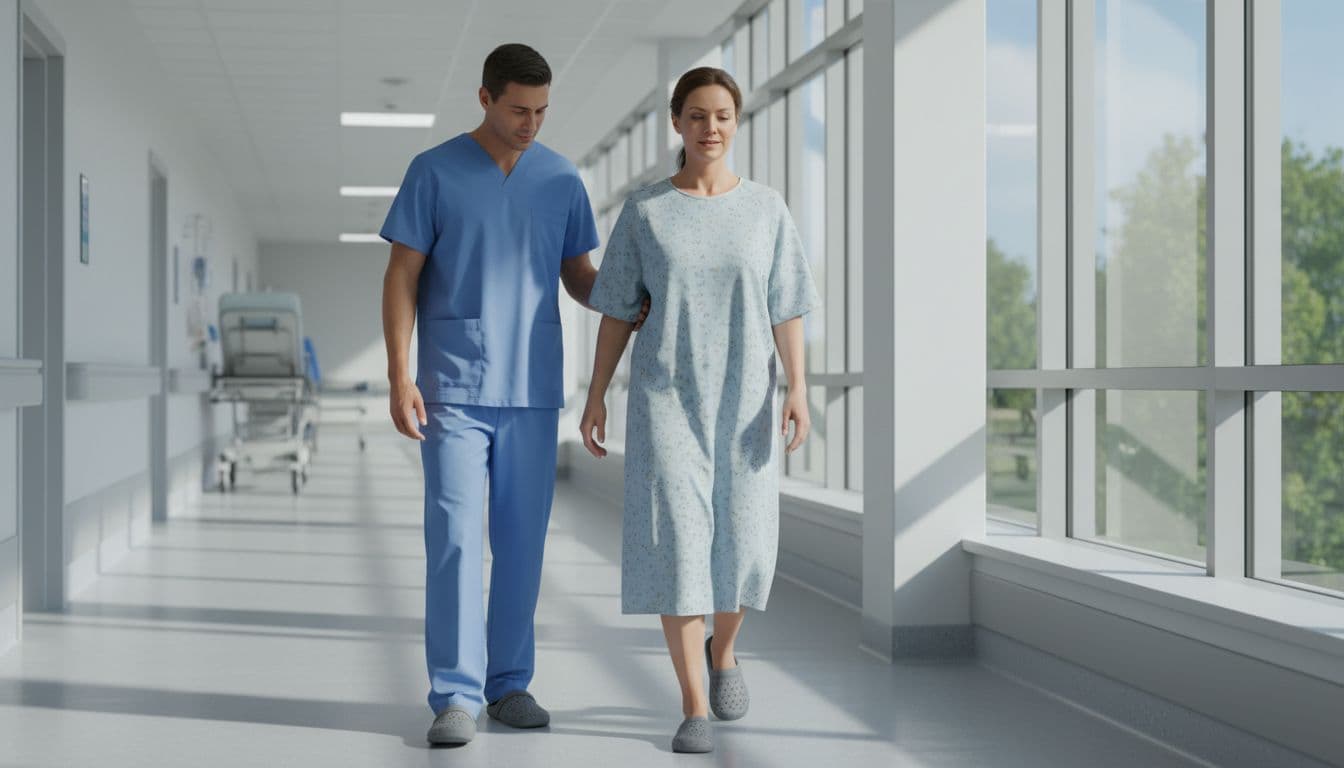
If your surgery involved the breast, chest, abdomen, or pelvis, movement may feel especially limited at first, affecting your range of motion. A physical therapy consult may be part of the plan. Surgical drains can add another layer of stress. If that applies to you, Breastcancer.org’s mastectomy surgery and recovery guide gives a clear picture of what many patients face. And if guilt creeps in when you need more rest than usual, this reflection on rest as part of healing can help soften that inner pressure.
Days 5 to 7 can feel harder than people expect
By the end of the week, people often expect to feel “better.” Sometimes you do. Sometimes you don’t. That gap between hope and reality can sting.
Hospital discharge brings you home, where it is quieter than the hospital, but it can also feel less protected. You may need help getting up, showering, keeping track of medicines, or emptying a drain. As Cancer Council’s home recovery guidance explains, this stage often comes down to wound care including the management of any surgical clips or sutures, pacing activity, eating enough, following lifting restrictions, avoiding strenuous activity, and watching for changes like lymphedema risk if lymph nodes were removed. An occupational therapist can help with home adjustments to make these tasks easier.
Emotion can hit hard here too. Maybe surgery removed the tumor, yet you’re still waiting for pathology. Maybe the scar makes everything feel newly real. Maybe you’ve been in remission before, and this week wakes up recurrence anxiety you thought you had tucked away, stirring old memories. Cancer has a way of doing that. Finding emotional support, whether from loved ones or professionals, can make a difference.
That emotional swing is not a personal failure. It’s part of being human in a body that has been cut, stitched, and asked to trust again. Some people find it helps to read about life adjustments after serious illness when recovery feels like a loss of control.
Call your care team sooner if something feels off
Use your discharge instructions first, but common infection signs or other reasons to call include:
- fever, chills, or feeling suddenly much worse
- more redness, bleeding, or drainage at the incision
- pain that keeps getting worse instead of easing
- trouble breathing, chest pain, or swelling in one leg
Trust your instincts. You know when something has changed.
The first week is not a test you pass by looking cheerful. It’s a stretch of healing measured in small wins, one sip of water, one slow walk, one honest call for help.
The flashlight gets a little farther each day. For now, focus on the next step, not the whole road. Keep your follow-up appointments close.
Let people care for you. And when you wonder what courage looks like after cancer surgery, remember this; sometimes it’s nothing more dramatic than getting up, taking three careful steps, and beginning again.
Frequently Asked Questions
Is it normal to feel groggy, emotional, or in pain the first day after surgery?
Yes, the first 24 hours often bring a heavy, strange feeling from anesthesia, with a sore throat, dry mouth, or nausea. Pain might show as pressure or burning, and tears can come unexpectedly—it’s your body’s response to major stress, not a sign of falling apart. Your care team tracks this closely with pain relief and monitors.
When should I start moving, and how far?
Even in the first hours, tiny movements like foot wiggles or sitting up matter for early mobilization. By days 2-4, aim for short walks to the bathroom or hallway to reduce clot risk and wake your body. The goal is gentle motion, not distance—listen to your team and stop if pain spikes.
What if my pain or swelling gets worse?
Pain that builds between doses or swelling with redness means speak up right away for better management. Don’t tough it out to prove strength; relief works best caught early. Track changes and use your discharge instructions.
How do I handle recovery at home after discharge?
Pace yourself with wound care, light meals, stool softeners, and lifting limits while watching for lymphedema or infection signs. Pillows and recliners help with sleep; accept help for showers or meds. Emotional ups and downs are common—lean on support.
When should I call my care team?
Call sooner for fever, chills, worsening pain, more redness/bleeding/drainage, breathing trouble, or leg swelling. Trust your gut if something feels suddenly off, even if it’s not listed. Your instructions guide first, but instincts matter.