The start of cancer treatment can make your home feel different overnight. A chair is no longer just a chair, it might become the place where you rest, cry, nap, sip water, and gather your strength.
If you’re trying to prepare home chemotherapy support before treatment begins, don’t aim for perfection. Aim for ease. Whether this is your first cancer diagnosis or treatment after a period of remission, small changes at home can soften the first hard weeks.
Start with the spaces and habits that will carry the most weight when your energy is low.
Key Takeaways
- Pick one gentle recovery spot in your home—like a recliner or couch corner—and stock it with water, tissues, charger, trash can, and other basics to cut down on movement when fatigue hits.
- Stock your kitchen with easy, gentle foods like soups, crackers, and ginger tea, and prep your bathroom with soft soaps, lotion, mouthwash, and hygiene essentials before energy dips.
- Clean high-touch surfaces, set clear house rules for handwashing and avoiding germs, and follow chemotherapy precautions for bodily fluids like double-flushing toilets and careful laundry to keep everyone safe.
- Talk to family about help with chores, backup plans for rides or meds, and simple steps that let loved ones stay close without added risk—that’s kindness in action.
Turn One Area Into a Gentle Recovery Space
Pick one spot in your home and make it your landing place. It might be a recliner, a side of the couch, or a bed near the bathroom. What matters is simple access, soft light, and fewer reasons to get up when you feel drained.
Your home doesn’t need to look medical. It needs to feel calm, safe, and easy on your body.
Think about the first few days after treatment. Fatigue, one of the most common side effects, can arrive like wet sand in your shoes, heavy and annoying in ways that are hard to explain. So place the basics within arm’s reach: water, tissues, a phone charger, lip balm, a small trash can, slippers, a thermometer, and enough space nearby for IV tubing if you have a port or home infusions. A notebook helps, too, because chemo fog can make even ordinary thoughts slip away. Consult your healthcare provider about specific spatial needs for medical equipment.
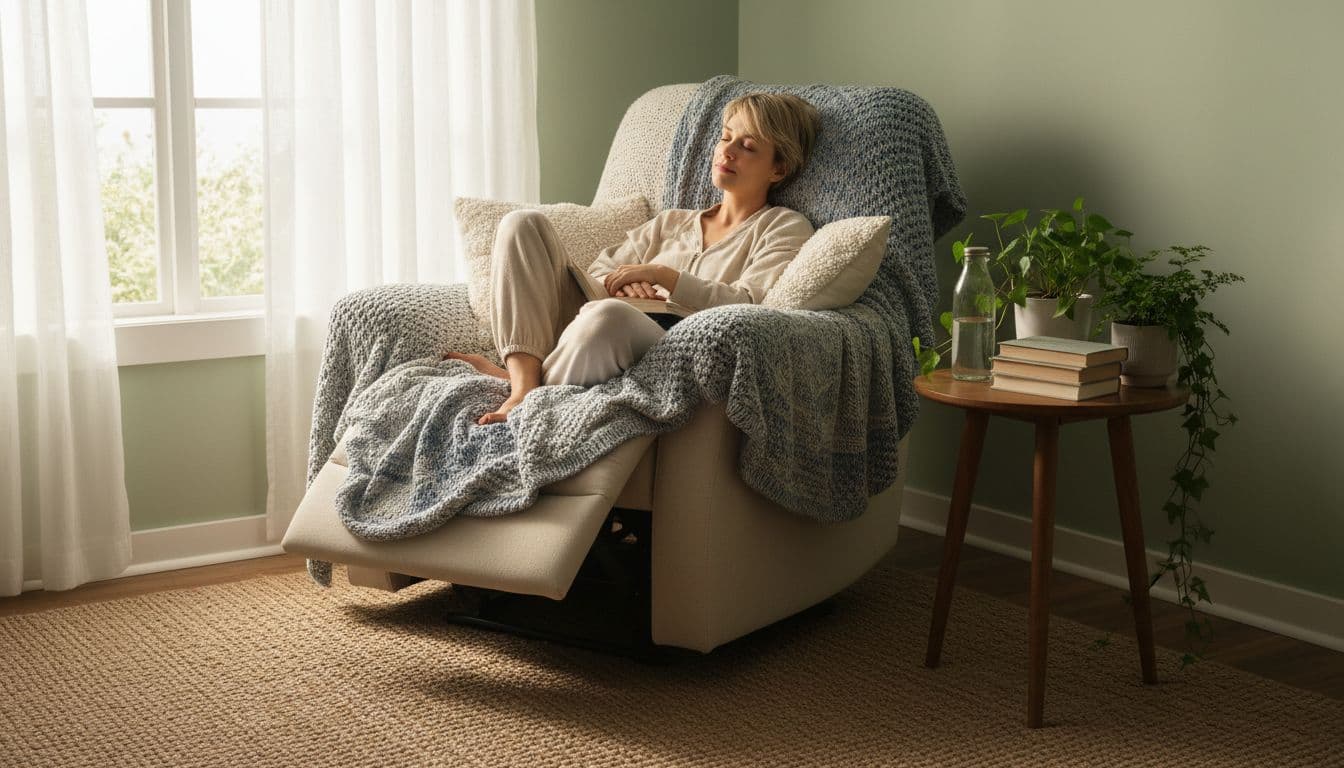
Try to reduce extra walking. Move a lamp closer. Clear loose rugs if you feel unsteady. Keep a light blanket nearby because some people feel chilled after treatment. If smells tend to bother you, skip candles and strong cleaners in that room.
This isn’t about fear. It’s about kindness. You are setting the stage for recovery before you need it. That kind of foresight is a quiet form of courage.
Stock the Kitchen and Bathroom Before Fatigue Arrives
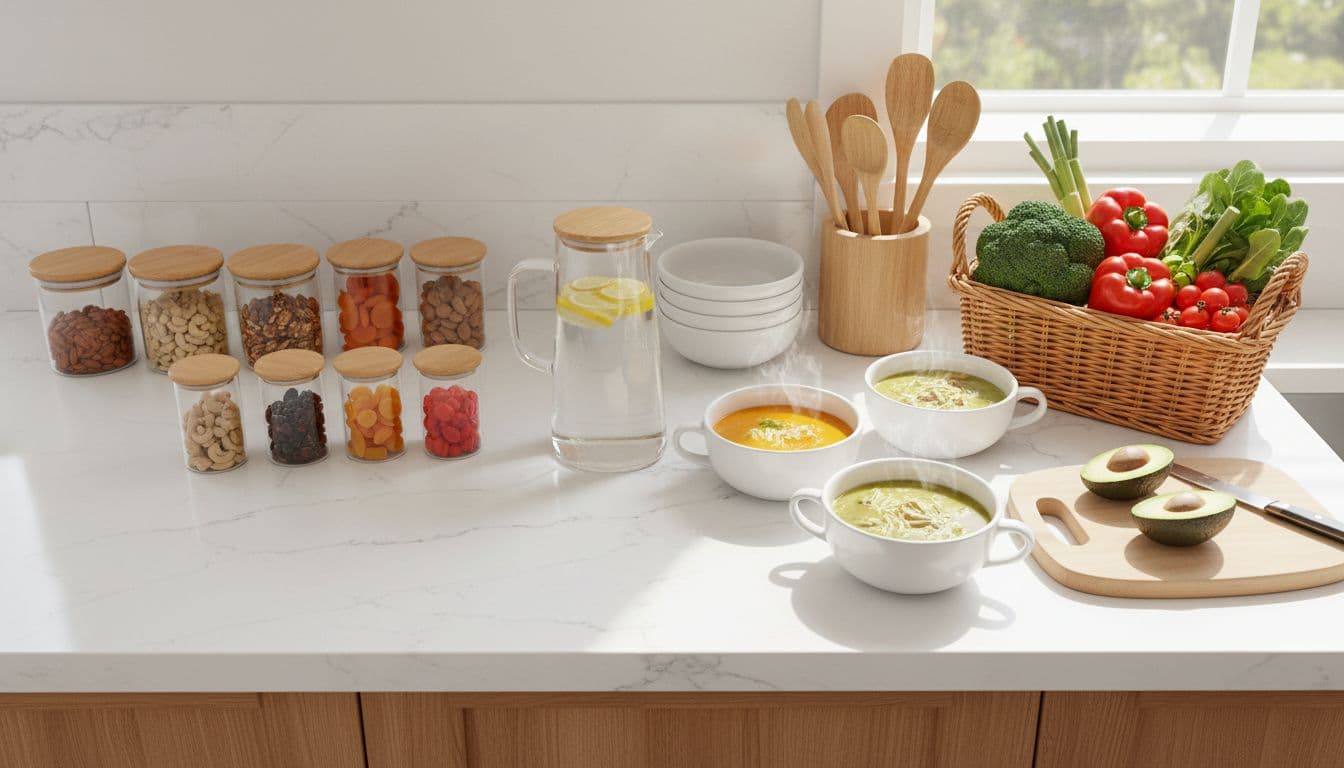
Shopping feels easier before chemo than after it. Use that window. Fill your kitchen with foods that are gentle, quick, and forgiving. You may not know yet what will sound good, so give yourself options.
Soups, crackers, applesauce, oatmeal, rice, toast, pasta, frozen meals, ginger tea, and protein drinks are a good start. Fresh fruit can help, but also keep shelf-stable snacks around for days when cutting and washing feels like too much. Always wash your hands with soap and water before handling food. For medication storage, especially if you are taking oral chemotherapy, keep pills in their original container to ensure safety and proper dosing.
If stomach trouble shows up later, these tips on managing diarrhea during chemotherapy can help you adjust fast.
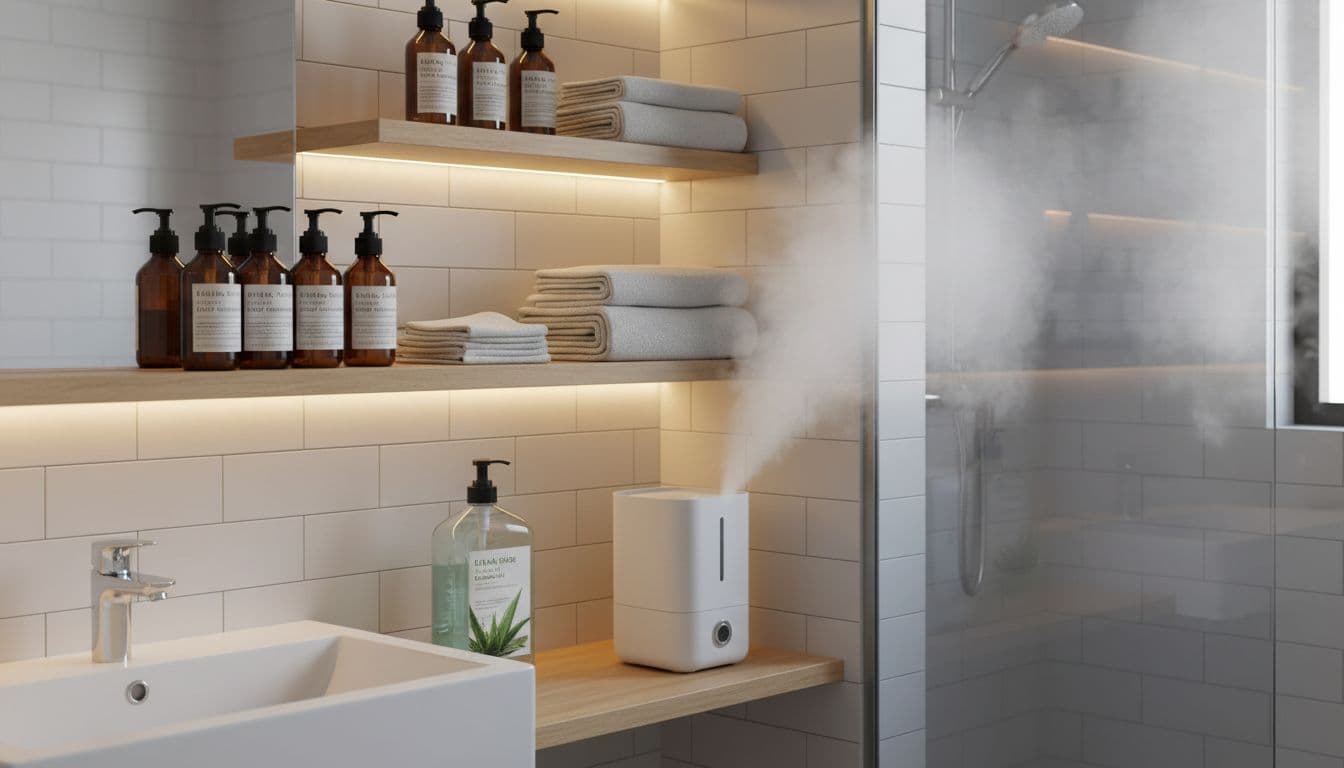
Your bathroom matters just as much. Dry skin, mouth sores, nausea, and bowel changes can all start there, in the small daily acts nobody sees. Set out gentle soap, soft towels, alcohol-free mouthwash, a soft toothbrush, unscented lotion, and extra toilet paper. Fill prescriptions early, and ask your care team which over-the-counter items are safe to keep on hand. Prioritize hygiene routines like wash your hands regularly.
A few things are worth placing where you can grab them fast:
- A water bottle by the bed and couch
- A basin or lined trash can for nausea
- Fragrance-free wipes and hand sanitizer
- A pill box or med list in plain sight
If you want more day-to-day ideas, this guide to practical relief for tough treatment days covers common side effects in plain language.
Set House Rules for Safety, Help, and Peace
Before chemotherapy starts, clean with a light hand and a clear purpose for infection prevention. Disinfect surfaces on high-touch areas. Wash sheets and towels. Empty old food from the fridge. If there’s mold, dust from construction, or a cluttered path you could trip on, fix it now. A clean home won’t remove every risk, but it can lower stress and cut down on avoidable problems.
Talk with family or housemates before day one. Ask household members to wash your hands often with soap and water, stay home if they’re sick, and help with chores that expose you to germs, especially litter boxes, trash, or raw meat cleanup. If your white blood cells may drop, these tips on avoiding infections at home during treatment offer a clear next step.
It’s also smart to ask your oncology team about bathroom and laundry precautions during cancer treatment. Some chemo drugs leave the body through bodily fluids like urine, stool, vomit, or others for 48 to 72 hours after treatment, so chemotherapy precautions are most vital then. Close the toilet lid and flush twice after use. Separate laundry if soiled by these fluids. Household members who are pregnant or breastfeeding should take extra care to avoid chemotherapy exposure. For intimacy, use a barrier method. Prepare a spill kit at home with disposable gloves, paper towels, plastic bags, and bleach wipes for quick cleanup, and always wash your hands afterward.
Chemotherapy safety at home explains why those details matter. At the same time, loved ones do not need to disappear. Chemotherapy precautions to take at home notes that simple steps usually let families stay close safely. Consult your healthcare provider for personalized advice.
Then make one more plan, your backup plan. Who can drive you if you’re weak? Who can pick up medicine? Who can bring soup or sit quietly nearby? Many care teams also want you to watch for a fever of 100.4 or higher as a medical emergency, but your own instructions come first. Write that number down where you can see it.
A house feels better when everyone knows the rules. So does a frightened heart.
The strongest home prep is rarely expensive. It’s a clear path to the bathroom, easy food in the cupboard, clean sheets, and one person who knows how to help.
Pick one room today and do one small thing in it. That is how fear starts to lose ground.
Frequently Asked Questions
What makes a good recovery space during chemotherapy?
Choose one calm spot with easy bathroom access, soft light, and arm’s-reach basics like water, tissues, a charger, lip balm, slippers, and a small trash can. Clear rugs if unsteady, add a light blanket for chills, and skip strong smells to keep it soothing. This setup honors low-energy days without turning your home medical.
How should I stock my kitchen and bathroom before treatment?
Fill the kitchen with quick, gentle options like oatmeal, applesauce, protein drinks, and shelf-stable snacks—wash hands before handling food. In the bathroom, set out gentle soap, soft towels, alcohol-free mouthwash, lotion, and extra toilet paper, plus fill prescriptions early. These small preps make daily routines forgiving when side effects arrive.
What precautions are needed for bodily fluids after chemo?
For 48-72 hours post-treatment, chemo can leave urine, stool, or vomit hazardous—close the toilet lid, flush twice, separate soiled laundry, and use barriers for intimacy. Prep a spill kit with gloves, towels, bags, and bleach wipes, and have pregnant or breastfeeding household members take extra care. Always wash hands after, and consult your care team for specifics.
How can family help safely during home prep?
Ask them to wash hands often, stay home if sick, handle germ-prone chores like trash or raw meat, and follow bodily fluid rules. Share backup plans for drives, meds, or quiet company, and watch for fever emergencies. Clear rules let loved ones support you closely without fear.