
What if the heavy, washed-out feeling isn’t just fatigue? Sometimes dehydration is the hidden problem, and it can build slowly during cancer treatment.
Chemo, radiation treatment, surgery, nausea, diarrhea, dry mouth, and poor appetite can all lead to dehydration. As a result, you may feel worse fast, even if the change seems small at first. The good news is that early signs are often easy to spot, and a simple plan can help you catch up before things slide.
Whether you’re newly diagnosed, in active treatment, or in remission and still dealing with side effects, hydration matters. It helps prevent low blood pressure, supports kidney function, energy, and clear thinking. In other words, it helps the body do hard work on hard days.
Why dehydration during cancer treatment is easy to miss and how to prevent dehydration
Dehydration during cancer treatment doesn’t always announce itself loudly. Sometimes it whispers. Your mouth feels sticky. Food tastes off. Standing up takes more effort. You tell yourself you’re just tired, but the body may be running low on fluid.
Treatment side effects often set the trap. Gastrointestinal side effects such as vomiting and diarrhea pull water and salts out quickly. Mouth sores and thick saliva can make drinking feel like work. Fever, sweating, and some medicines can also increase fluid loss. Meanwhile, if you’re sleeping more or eating less, you may not notice how little you’re taking in.
Think of it like trying to fill a bucket with a small hole in the bottom. A few missed sips may not matter at first. But after hours, the level drops.
If diarrhea is part of the picture, it helps to know the basics of hydration rules for chemo-induced diarrhea. For a broader medical overview, MD Anderson’s guide to dehydration symptoms explains why this side effect can become serious.
Signs your body may need fluids now
Some signs are subtle, while others are more urgent. Watch for patterns like these:
- Dark colored urine or very little urine
- Dry mouth from mouth sores, cracked lips, or thick saliva
- Dizziness when standing
- Headache or a foggy feeling
- Fast heartbeat or weakness
- Nausea that worsens when you try to drink
- Loss of skin elasticity
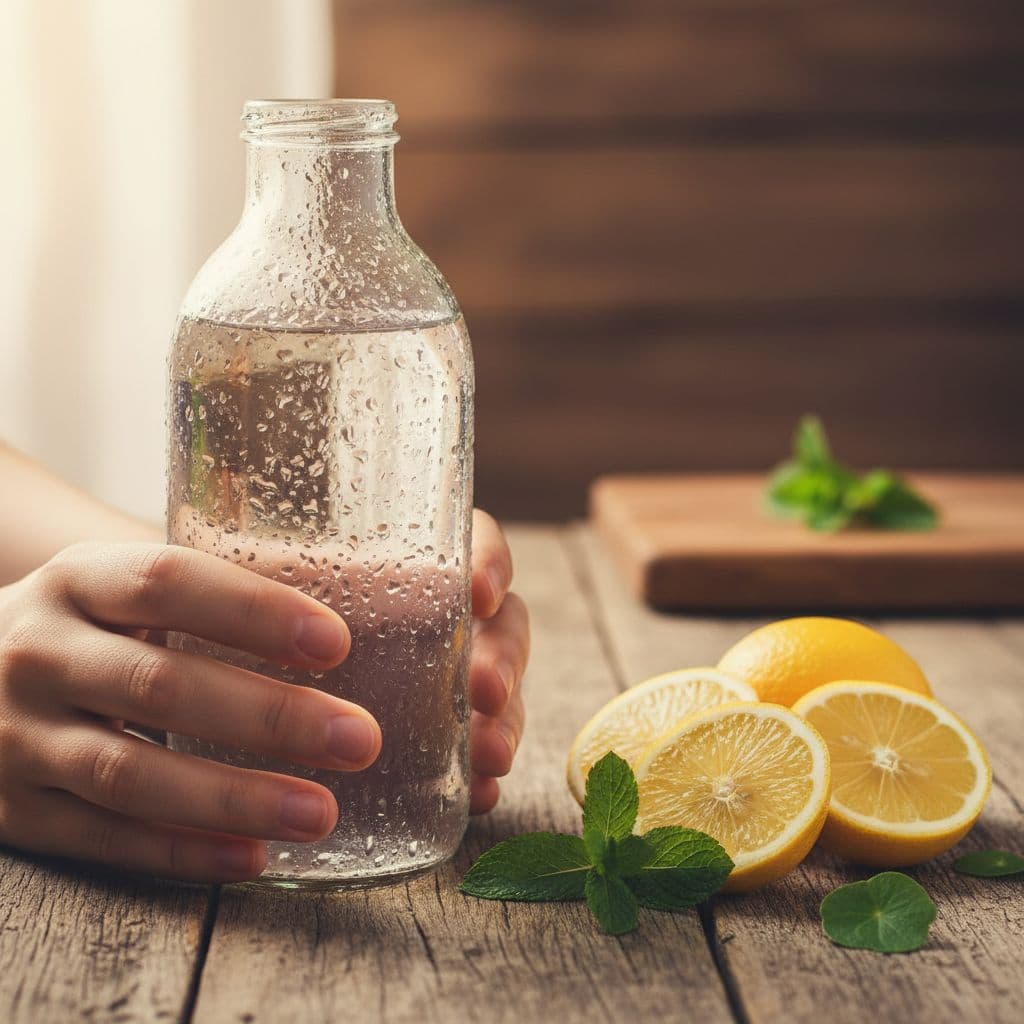
The most helpful daily clue is urine color. Pale yellow usually means you’re doing better. Dark yellow, strong-smelling urine often means you’re behind. Still, don’t wait for a perfect sign. If several symptoms show up together, listen to that message. Monitoring these signs helps you prevent dehydration and avoid severe complications.
If you feel too sick to drink, that’s not a small problem. It’s a reason to contact your care team.
A simple rehydration plan you can start today
When dehydration leaves you depleted, huge goals can feel impossible. So keep the plan gentle. Small, steady sips often work better than heroic catch-up drinking.
To increase your fluid intake, start with this:
- Sip every 5 to 10 minutes. Even a few mouthfuls count. Big gulps can trigger nausea.
- Choose fluids with some salt or sugar if you’ve had vomiting or diarrhea. Oral rehydration solution, broth, sports drinks, or an electrolyte drink can help your body absorb fluid better by maintaining electrolyte balance.
- Use what feels easiest. Cool water, ice chips, weak tea, diluted juice, soup, popsicles, or water-rich foods may go down better than plain water alone.
- Check again in two hours. Are you less dizzy? Is your mouth less dry? Did you urinate?
This quick guide can make choices simpler:
| If this is happening | Try this first |
|---|---|
| Mild thirst, dry mouth | Water, ice chips, or cool herbal tea |
| Diarrhea or vomiting | Oral rehydration solution, broth, electrolyte drink |
| Mouth sores or thick saliva | Cold water, smoothies, ice pops, soft soups |
| Loss of appetite | Soup, milk if tolerated, or nutritional supplements approved by your team |
The takeaway is simple: match the drink to the problem. If you’re losing salts, plain water may not be enough by itself.
Sip before you’re thirsty. By the time thirst hits, you’re often already behind.
You can also make drinking easier by pairing it with small routines. Keep a cup by the bed. Take a few sips after every bathroom trip. Drink during TV ads or while waiting for a kettle to boil. Consider tracking fluid intake with a simple log. These tiny anchors matter, especially on treatment days when focus is thin.
If dry mouth is making hydration harder, these dry mouth hydration routines during cancer care may help. The American Institute for Cancer Research’s hydration tips also offer easy food and drink ideas, and Patient Power’s hydration strategies during treatment gives a practical patient-friendly overview.
One note of caution, because safety matters. If you have heart failure, kidney disease, or you’ve been told to limit fluids or salt, ask your oncology team before pushing large amounts. Also limit caffeine and alcohol, which can worsen dehydration. Speak with a clinical dietitian for personalized advice on fluid intake.
When to call your cancer team, and why it matters
Sometimes courage looks quiet. It looks like calling early, not waiting until night, and saying, “I can’t keep up with fluids.”
During chemotherapy, reach out to your medical care team the same day if you can’t keep liquids down for several hours, if diarrhea is frequent, if you feel faint, or if you’re barely urinating. Call right away for confusion, chest pain, severe weakness, or a racing heart that won’t settle. These signs can mean you need IV hydration, medicine for nausea, lab work, or a change in your treatment plan.
Many people worry about “bothering” the medical care team. Please don’t carry that burden. Dehydration can lead to kidney failure, falls, and severe complications. Getting help early may protect your recovery, and it may keep one hard day from turning into a hospital visit.
If you’re in remission but still living with lingering side effects like bowel changes, poor appetite, or dry mouth, the same rule applies. These deserve care.
In the end, hydration isn’t about perfection. It’s about noticing dehydration, responding, and giving your body what it needs while it does something brave. Small sips can be a form of strength, and asking for help can be one too.