After cancer treatment, even simple tasks can feel oddly heavy for a cancer survivor. A laundry basket may seem like a mountain. A short walk may leave your legs shaking. That change can be unsettling, especially when treatment is over and life is supposed to feel normal again. Oncology physical therapy can help you regain independence.
This is where physical therapy can help. It gives you a careful way to rebuild strength, ease pain, improve balance, and return to daily life without forcing your body. Cancer rehabilitation services improve long-term quality of life by addressing physical barriers to movement. If you’re in treatment or in remission, the right plan can help you move with more trust and less fear.
Why your body may feel weaker after Cancer treatment
Cancer treatment can affect the body in more than one way. Muscles may shrink during long periods of rest, leading to muscle weakness. Nerves may stay irritated after chemotherapy and radiation. Surgery can limit movement, and cancer-related fatigue can linger long after the last appointment. Even breathing can feel different if your heart or lungs took a hit during care.
So if you feel weaker than expected, you’re not imagining it. For many people, physical therapy cancer recovery becomes the bridge between getting through treatment and feeling steady again. According to OncoLink’s guide to strengthening during and after Cancer, muscle weakness after treatment is common, and safe strength work can help restore physical function over time.
Current guidance also supports regular physical activity after treatment. The goal, over time, is often 150 to 300 minutes of moderate aerobic activity each week, plus resistance work two to three days a week, along with balance and flexibility. Still, that doesn’t mean you start there. As NFCR’s overview of exercise during and after cancer treatment explains, the best plan is one you can actually tolerate and repeat.
There is also an emotional side to weakness. When your body won’t do what it once did, fear can creep in. Frustration can, too. If that sounds familiar, an oncology rehabilitation program provides the framework to manage treatment-related side effects while safely increasing physical activity levels; support for managing the emotional side effects of cancer matters just as much as exercise.
The goal isn’t to prove how strong you are. The goal is to help your body trust movement again.
What physical therapy cancer recovery usually looks like
In cancer rehabilitation services, a good physical therapist starts by listening. They ask about your diagnosis, your treatments, your pain, and the side effects that still follow you. That may include peripheral neuropathy, scar tightness, swelling, shortness of breath, or deep fatigue that shows up without warning.
Then they watch how you move. Can you stand from a chair without using your hands? Can you lift your arms overhead? How steady are you when you turn or climb a step? These small tests matter because they reveal functional limitations and range of motion issues where your body needs support right now, not where it was a year ago.
Goals that fit your real life
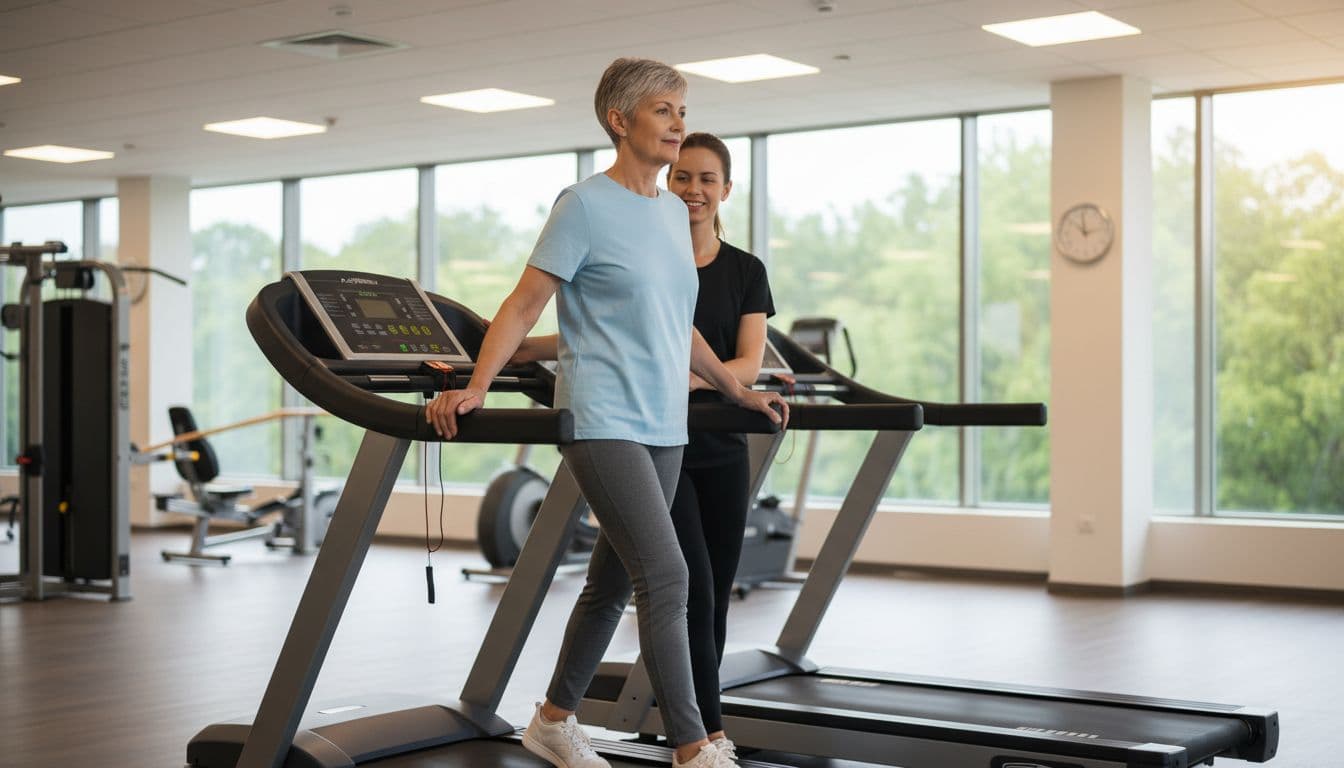
The best therapy goals sound ordinary, and that’s the point. You may want to walk through the grocery store without stopping. You may want to carry laundry, cook dinner, or get back to gardening. Someone else may want enough stamina to return to work or enjoy more of life after cancer remission, boosting overall quality of life.
Oncology physical therapy often coordinates with occupational therapy to tackle cancer-related fatigue. Sessions usually begin with short, manageable efforts in an individualized treatment plan. That might mean five to ten minutes on a bike, gentle leg work, shoulder mobility, manual therapy for pain management, or balance drills near a sturdy surface. Most therapists use a simple rule for effort: you should be able to talk, but not sing. In other words, movement should feel like work, not punishment.
If you’ve had bone loss, major surgery, heart concerns, or swelling such as lymphedema, your therapist adjusts the plan with lymphedema management. That’s why physical therapy is safer than copying a random workout online.
Safe exercises that rebuild strength without pushing too hard
The first steps are often the least flashy, and also the most helpful. Small movements wake muscles up again. They teach your brain and body to work together. Bit by bit, those quiet reps turn into steadier legs, better posture, and more confidence for every cancer survivor.
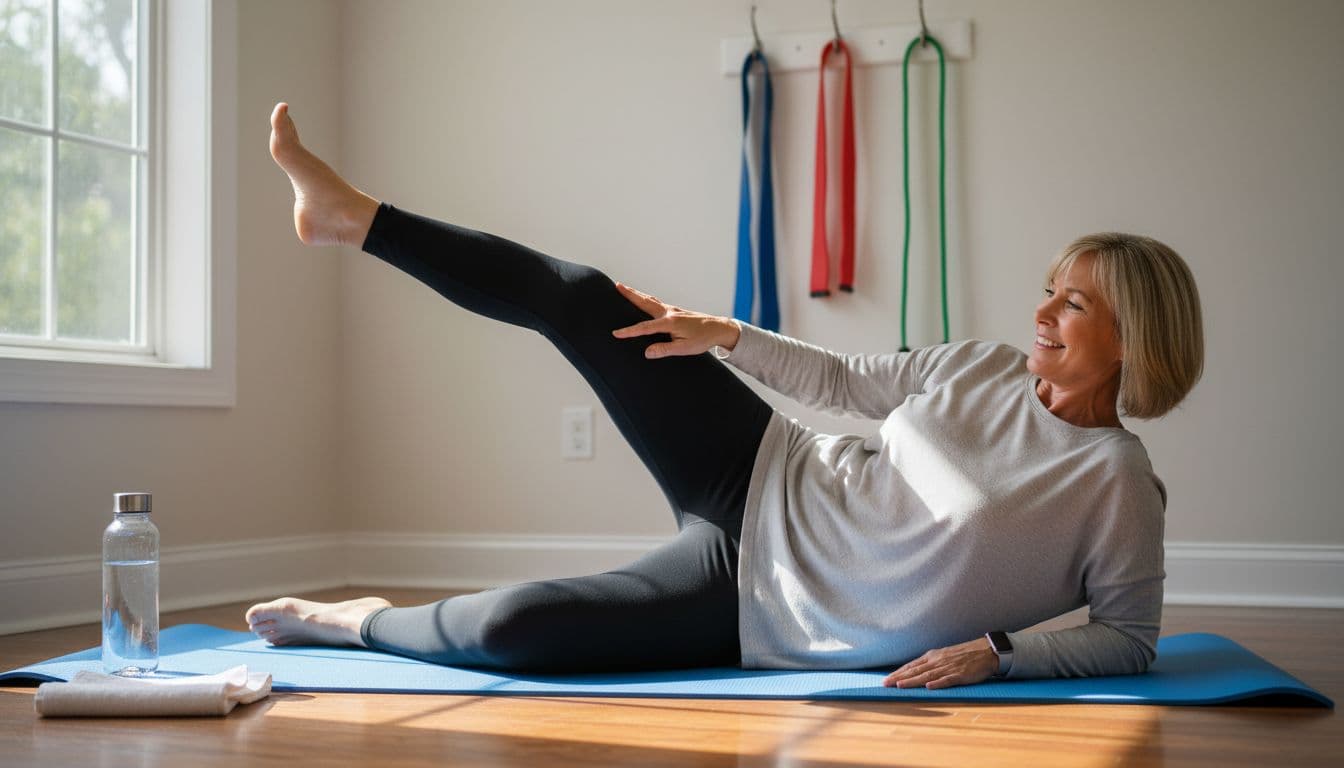
A therapist may start with these safe strength training and balance activities:
- Sit-to-stands: Practice getting up from a chair to build leg strength for daily tasks.
- Marching in place: This helps with balance, hip strength, and stamina.
- Wall push-ups: A gentle way to rebuild upper-body strength without floor work.
- Band rows or leg lifts: Light resistance can wake up muscles without overloading them.
Therapists also help cancer survivors address pelvic floor dysfunction, cognitive changes, and the use of assistive devices to improve physical function.
At first, one set may be enough. Ten minutes may be enough. That can feel humbling, but it’s also honest. Safe strength building after cancer often starts low and grows slowly. Resources on full-body strength training during cancer recovery support this same idea: follow exercise guidelines with light to moderate resistance, keep the form clean, and build over time.
Know when to slow down
Some soreness is normal. Sharp pain is not. A brief rise in cancer-related fatigue can happen. Fatigue that knocks you flat for the rest of the day means the dose was too high. Watch for issues like irritation around surgical incisions or new pain in bones or joints that could signal bone density concerns.
Pause and call your care team if you notice chest pain, dizziness, sudden swelling, unusual shortness of breath, fever, or new pain in bones or joints. Safety always comes first.
Just as important, don’t let pride set the pace. Recovery is rarely a straight line. On some days, the win is a walk around the house. On others, it’s finishing a full session. Both count. If you need that reminder, this reflection on one step at a time in recovery can help steady your mind when progress feels slow.
Physical therapy after cancer treatment is not about going back to who you were overnight. It’s about building the next version of strength, safely, patiently, and with care. Your body has been through a lot. For the cancer survivor, this foundation supports adding cardiovascular exercise over time to boost quality of life. Healing can still move forward, one measured step at a time, as physical activity empowers every cancer survivor to reclaim their quality of life.