
Cancer treatment side effects can feel like they show up with no warning and no map. One week you think you know what to expect, then a new symptom appears days later, and it rattles your confidence. If you’re in treatment, or you love someone who is, you already know how lonely that can feel.
Here’s the steady truth: you can learn to work with them. Not by forcing a brave face or pushing through misery, but by building a small set of tactics you can reach for on the hard days. This post focuses on practical, real-life strategies for nausea, fatigue, neuropathy, hair loss, and chemobrain, plus a bigger reminder that matters more than any single symptom.
Nausea: Eat smart, not big

Nausea doesn’t always strike right after treatment. Sometimes it creeps in later, when you least expect it. That delayed wave can feel unfair, because you thought you were in the clear. When it hits, the old rules about “normal meals” stop applying. Right now, eating is not about perfection or balance. It’s about getting through the day with less misery.
Think of food as a series of small, careful choices. A few bites can be more helpful than a full plate. In other words, you’re not “failing” at eating, you’re adjusting your strategy.
A few ideas that many people lean on:
- Crackers before standing up: A small, dry bite can help settle your stomach before you even get out of bed.
- Ginger tea between appointments: Warm, simple, and easy to sip when nothing else sounds okay.
- Bland comfort foods: Whatever your stomach accepts today counts as a win.
One small trick often helps: cold foods often sit better than hot ones. Strong smells can turn your stomach fast, and hot food can carry more odor. Cold options can feel less intense.
Here are some “it still counts” foods for weird hours and rough moments:
- Popsicles
- Smoothies at midnight
- Plain pasta at 2 a.m.
Most importantly, bring nausea up early with your doctor or nurse. Anti-nausea medicines have improved a lot, and you don’t get extra credit for suffering. For a clear medical rundown of options, see the National Cancer Institute’s guide to nausea and vomiting. If food ideas are the missing piece, this UCLA Health article on diet tips for treatment-related nausea can spark practical next steps.
Early help isn’t weakness. It’s wisdom, and it can change the whole week.
Fatigue: Balance rest with gentle movement
Cancer fatigue isn’t regular tired. It can feel like gravity got stronger overnight. You might sleep and still wake up wrung out, as if your body ran a marathon while you were lying still. That’s because, in a way, it did. Treatment asks your body to do hard work behind the scenes, even on days you don’t leave the couch.
Rest matters, and you deserve real, guilt-free rest. Still, there’s a surprising truth many people discover: on certain days, gentle movement helps more than another hour under a blanket. Not always, and not in a “push through it” way. More like this: a tiny bit of motion can loosen the stuck feeling, even if it doesn’t give you energy back.
If you have only a sliver of strength, aim for something small and kind:
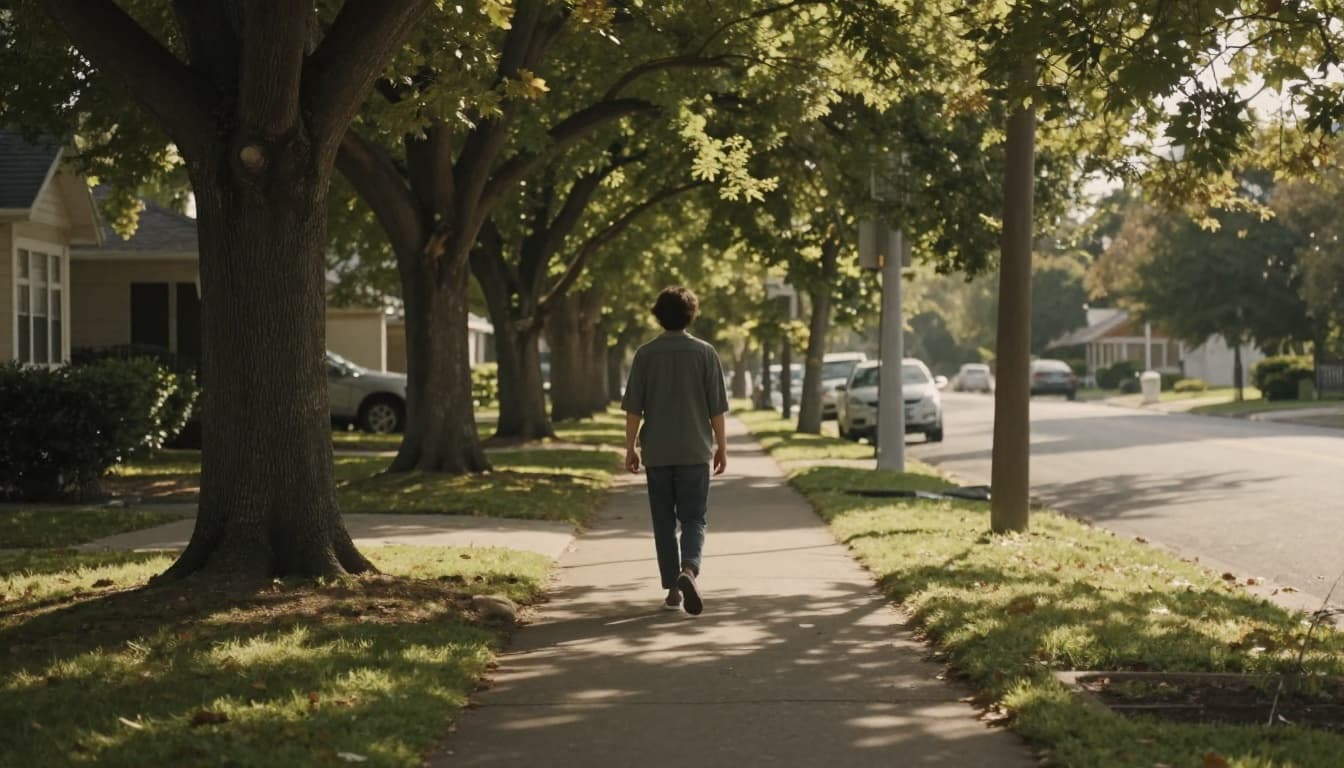
- A slow walk to the end of the driveway
- Five minutes around the block
- Getting the mail and coming right back
Movement doesn’t have to be grand to matter. Small wins count because they remind your muscles and lungs that they still belong to you. They also remind your mind that the day contains more than symptoms.
On the other hand, if your body says “no” loudly, listen. Rest and movement work best as partners, not opposites. Your job isn’t to choose one identity (the person who rests or the person who powers through). Your job is to respond to the day you actually have.
If you want a medical-center perspective on how light exercise can help, this MSKCC resource on managing cancer-related fatigue with exercise offers a grounded explanation.
Neuropathy: Catch it early and protect what you can

Neuropathy can start quietly. A little tingling in your fingertips. Numbness in your toes. A strange “pins and needles” feeling that comes and goes, so you tell yourself it can wait. Yet the best time to speak up is often when it still feels small. Early notes give your care team more room to respond.
Some days neuropathy is only annoying. Other days it changes how safe you feel doing basic life things, like buttoning a shirt or walking downstairs. That’s why paying attention matters. You’re not being dramatic. You’re being careful.
A few at-home tactics people often try (and can discuss with their care team):
- Warm, not hot, soaks for hands and feet
- Gentle massage to encourage comfort and circulation
- Compression gloves or socks if they help you
Protection is part of treatment, too. Keep hands and feet away from extremes. Use oven mitts when cooking. Wear thick socks in winter. If something feels “slightly too cold,” treat it like a real risk, because numb skin doesn’t always warn you in time.
It also helps to document what you notice and when you notice it. Here’s a simple symptom log format you can keep in a notebook or on your phone:
| Date | Symptom (tingling, numbness, pain) | Where (hands, feet) | Severity (1 to 10) | What you were doing | What helped (if anything) |
|---|---|---|---|---|---|
After a week or two, patterns often show up. That information gives your doctor something solid to work with. If you want a deeper clinical overview of chemotherapy-related neuropathy, this open-access review on assessment and treatment strategies for chemotherapy-induced peripheral neuropathy can help you understand the language you may hear in appointments.
Hair loss: It’s not “just hair” when it’s yours

Photo by Ivan S
Hair loss can land like a punch, even when you knew it might happen. People sometimes minimize it because it isn’t life-threatening. Still, it’s visible. It’s personal. It changes how you recognize yourself in mirrors and photos, and it can invite comments you didn’t ask for.
So yes, it can hurt more than expected, and that’s okay.
Some people choose soft hats or scarves. Others explore wigs. Some prefer none of it. There’s also no single “right” moment to cut your hair. A few shave early to reclaim a sense of control. Others let it fall naturally, because they want to move through it one honest day at a time.
Whatever choice you make, try to let it be yours. Not your neighbor’s suggestion. Not a stranger’s brave story. Yours.
When hair grows back, it can come in with a different texture or color. That change can feel strange at first, then later it might feel like proof that your body is writing a new chapter.
Your worth isn’t in your hair. Your feelings about losing it are still real, and they still deserve gentleness.
Chemobrain: Tools for the fog, plus permission to slow down

Chemobrain is real. It can feel like words slip behind a curtain right when you need them. You might walk into a room and forget why you’re there. You may miss an appointment you could’ve sworn you remembered. Then comes the second wave, the self-criticism. The fear that something is “wrong” with you beyond treatment.
When your brain feels foggy, it helps to treat memory like a muscle that needs backup right now, not shame. Think of it like walking with a railing while you heal. You’re not weak for using support. You’re smart for not falling.
A few practical tools can reduce stress fast:
- Write things down as soon as they come up
- Use phone reminders aggressively (appointments, meds, water, meals)
- Keep a notebook by the bed for thoughts that arrive late at night
- Set alarms for tasks you usually “just remember”
On days you have energy, a simple puzzle or crossword can keep your mind gently engaged. Not as a punishment. Not as a test. Just a small way to stay connected to yourself.
Most of all, give yourself space to be human. Give yourself enormous grace. Your brain is moving through a chemical storm. It’s doing its best, even when it doesn’t feel like it.
The bigger picture: One day at a time, one side effect at a time
Side effects can trick you into measuring success the wrong way. You might start to believe the “best” patient is the one who suffers quietly, never cancels plans, never complains, and stays upbeat for everyone else’s comfort. That’s not strength. That’s loneliness dressed up as bravery.
A better measure is simpler and kinder: success is how you show up for yourself.
That can look like asking for help early. It can look like saying, “Something feels off,” even if you worry you’re bothering the clinic. Your medical team needs that information. You aren’t interrupting their work. You are participating in it.
Support matters in a practical way, too. Let people help you in ordinary ways. Let them bring food. Let them sit with you. Let them remember things when you can’t. Their presence isn’t extra. It’s part of your care.
When hope feels thin, it can help to borrow it from somewhere else. Sometimes that “somewhere” is a person. Other times it’s a small practice that turns your face toward the light, even if only for a minute. If that’s where you are, these reflections on staying hopeful when chemo feels heavy can help you hold steady without pretending.
Gratitude can also be a quiet anchor, not the forced kind, but the kind that notices one good sip of water, one decent hour of sleep, one friend who shows up. When you’re ready, 10 reasons to be thankful during cancer treatment offers a gentle way to look for what’s still true and still good.
Some days the bright side is hard to see. That doesn’t mean it vanished. It means today is heavy. You’re still here, and that counts.
Conclusion: Keep going, gently
Side effects don’t arrive with instructions, but you can answer them with small, steady choices. Eat in tiny, strategic ways when nausea shows up. Rest without guilt, then try gentle movement when you can. Mention neuropathy early, protect your hands and feet, and write down patterns. Use reminders for chemobrain, and let yourself slow down without shame.
Most importantly, keep your focus close. One day at a time is not a slogan, it’s a way to survive a season you didn’t choose. Ask for help when you need it, speak up when something changes, and let love be practical. The hard days are real, and they are not the whole story.