
When you’re a cancer patient living with cancer, certain words can land like a weight in your chest. “Palliative care.” “Hospice care.” They can sound like a verdict, even when they’re not.
But these services are less like doors closing and more like extra hands showing up when things get heavy for those facing a serious illness. They’re about comfort, support, and enhancing quality of life to make the days you have feel more like yours.
If you’ve been wondering about palliative vs hospice, here’s what each one really does, when it makes sense to ask, and how to start the conversation without feeling like you’re “giving up.”
What palliative care actually does during cancer treatment (and beyond)
Palliative care is supportive medical care focused on symptom management, pain relief, and improving quality of life during a serious illness or chronic illness like cancer. It provides emotional support for symptoms and stress. It can start the same week you’re diagnosed, or months into treatment, or years later if you’re in remission but still dealing with pain, fatigue, anxiety, or sleep problems. It’s not a last resort. It’s help.
Think of your cancer care like a long hike. Your oncologist is focused on the trail and the map (treatments, scans, labs). Palliative care is the person adjusting your backpack straps, handing you water, and helping you breathe when the hill gets steep.
A palliative care team is an interdisciplinary team that often includes doctors, nurses, social workers, and chaplains or spiritual care providers. They can help with:
Pain relief, nausea, constipation, shortness of breath, appetite changes, and fatigue
Mood support for fear, sadness, anger, and the strange loneliness that can show up in a full waiting room
Side effects from chemo, radiation, surgery, or immunotherapy
Hard choices, like whether a treatment’s trade-offs are worth it for you
Support for caregivers who are trying to be strong every minute
Palliative care can be provided in a hospital, outpatient clinics, or sometimes at home. It also works alongside curative treatment. You can still receive chemo, radiation, or clinical trials while getting palliative care to enhance your quality of life.
Many people avoid asking because they think palliative care means end-of-life care. It doesn’t. As Huntsman Cancer Institute explains, palliative care can begin at diagnosis, while hospice is for a different season of care (difference between palliative and hospice care).
If you’ve ever thought, “I can handle it,” and then realized you’re handling too much, palliative care is for that moment.
What hospice care does, what it doesn’t, and when it fits
Hospice care offers compassionate care for people with a terminal illness and a life expectancy of six months or less if the illness runs its usual course. Hospice care focuses on comfort care, dignity, and quality of life in an end of life context. Hospice care is not about hastening death. It emphasizes pain and symptom management and making room for what matters when time feels precious.
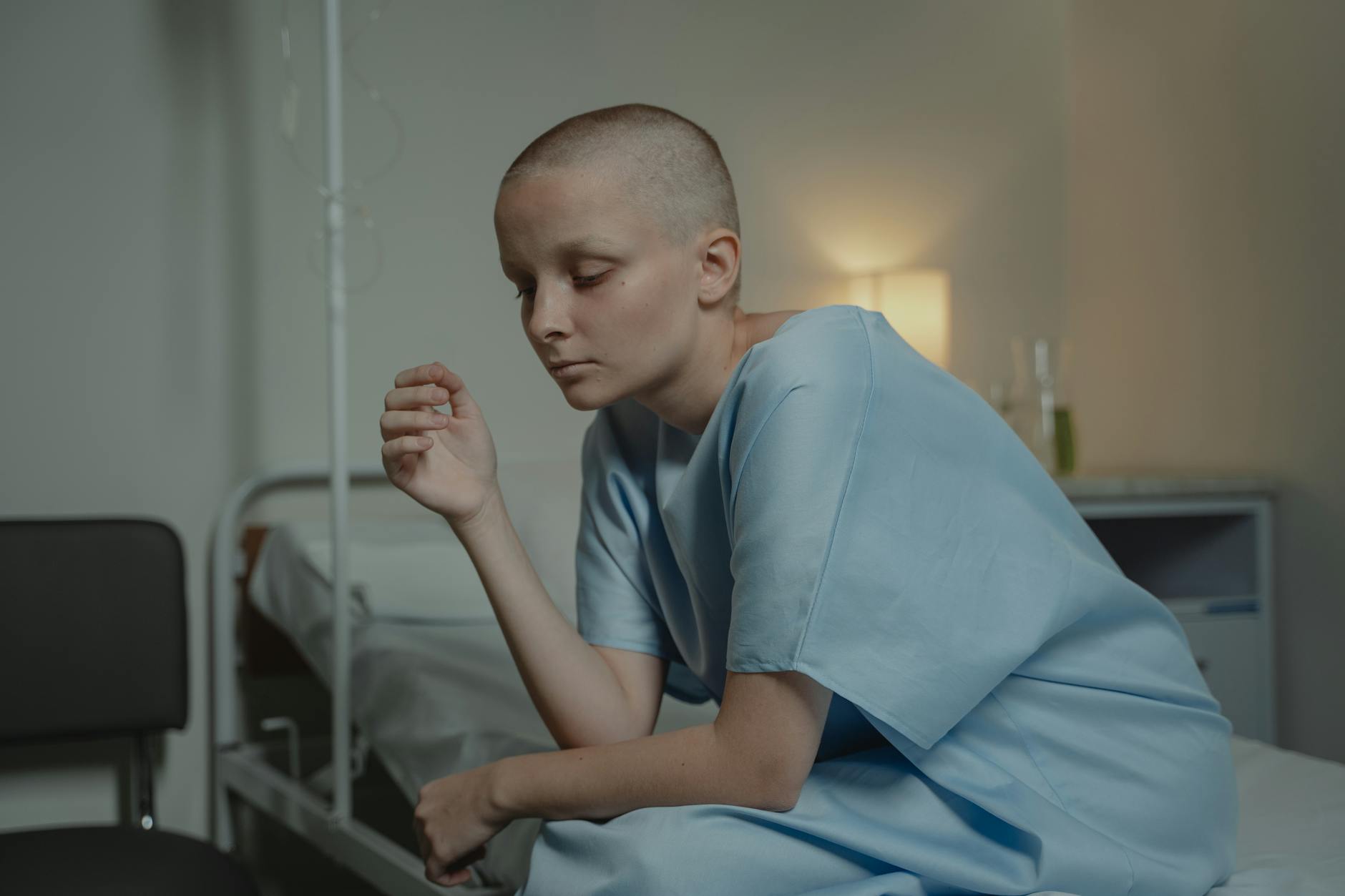
Photo by Tima Miroshnichenko
A simple way to say it is this: hospice care usually begins when the goal shifts from trying to control the terminal illness to focusing on comfort. That often means stopping treatments aimed at curing the disease. Some treatments may still be used if they ease symptoms (for example, medicine for nausea or shortness of breath, or a procedure meant to reduce pain).
Hospice care commonly includes services provided by an interdisciplinary team:
Nurse visits and check-ins, plus access to help 24/7
Medicines related to comfort and symptom relief
Medical equipment like a hospital bed or oxygen if needed (often covered by the Medicare hospice benefit)
Social work support, spiritual care, bereavement counseling, and caregiver support for the family
Short-term respite care so caregivers can rest
Most hospice care happens at home, including a family home, assisted living, or a nursing facility. Some people receive hospice care in inpatient units when symptoms need closer control.
One of the bravest things a person can do is admit they’re tired of fighting on terms that no longer feel like theirs. Hospice care doesn’t erase hope. It changes what hope looks like. Hope can become “I want to be comfortable,” “I want to be at home,” or “I want to hear my daughter laugh without wincing in pain.”
For a clear explanation of how hospice care differs from palliative care, the Hospice Foundation of America offers a helpful overview (hospice care vs palliative care differences). Yale School of Medicine also breaks down how these services support patients and families (palliative versus hospice care).
Palliative vs Hospice: When to Ask About Palliative Care or Hospice Care, What to Say, and How to Choose
The decision isn’t always a bright line. Sometimes it’s more like dusk, where day and night blur for a while; still, there are practical cues that can help you know when to bring up palliative vs hospice options.
Here’s a quick comparison you can return to when your mind is tired:
| Question | Palliative care | Hospice care |
|---|---|---|
| Can I get it while receiving chemo or radiation? | Yes, often | Usually no, if pursuing curative treatment |
| Do I need a certain prognosis? | No | six months or less |
| What’s the main goal? | Relief from symptoms and stress | Comfort and support near end of life |
| Where does it happen? | Hospital, clinic, sometimes home | Often at home, also facilities |
When it’s time to ask about palliative care
Ask early if symptoms are affecting sleep, appetite, mood, or your ability to function. Ask if side effects keep stacking up, or if every appointment feels like another decision you don’t have the energy to make. Ask even if you’re in remission but still living with nerve pain, anxiety, or lingering fatigue. Survivorship can be its own kind of hard. Palliative care offers symptom management to improve your quality of life and strengthen your support system.
You don’t need to “earn” palliative care by suffering enough. Early palliative care excels at pain and symptom management.
When it may be time to ask about hospice care
Hospice care may fit when treatments aren’t helping, hospital trips are increasing, or you feel the focus shifting from “what’s next” to “what’s left,” especially without curative treatment. Sometimes the clearest sign is a question you whisper to yourself at 2 a.m.: “If this is my body now, what do I want the days to feel like?”
As of 2026, eligibility still follows long-standing rules in the US: hospice care is generally for people with a clinician-estimated prognosis of about six months if the illness runs its usual course, and it usually requires choosing comfort-focused care over curative treatment.
How to bring it up (without feeling awkward)
You can keep it plain. You can keep it human. These starters work because they don’t argue, they invite help:
- “Can we add palliative care for pain relief and emotional support?”
- “I want to keep treating the cancer, but I also need better symptom management day-to-day.”
- “If time may be limited, I want to talk about hospice care and what care at home could look like.”
- “What would you recommend if your loved one were in my shoes? We should also discuss advance directives.”
If your doctor hesitates, you can ask for a referral anyway. Palliative care teams and hospice care providers are used to joining care, not taking it over.
For another patient-friendly comparison, this explainer lays out the differences and eligibility in simple terms (understanding hospice vs palliative).
Conclusion
The heart of palliative care vs hospice is not the paperwork or the labels. It’s the question underneath: “How do I want to be cared for in this chapter?” Palliative care can steady you through treatment and even into remission for a serious illness, while hospice care wraps around you when facing a terminal illness and comfort care becomes the priority. Both paths prioritize quality of life. If you’re unsure which fits, ask anyway; a good team will help you sort it out. Sometimes the most courage you can show is saying, “I need more support than I have right now.”