
After cancer surgery, your body has already done something brave. It has endured loss, healing, and change to the lymphatic system, all at once. Then, sometimes, a new worry shows up quietly: swelling that doesn’t quite make sense.
Lymphedema after surgery can feel like a second storyline you didn’t agree to. It can arrive weeks later, or years into remission, when you were starting to trust your body again. The good news is that early action often helps, and you don’t need to guess your way through it.
This guide covers the early signs people miss, what compression is actually for, safe exercises that support drainage, and the moments when swelling is urgent.
What lymphedema after surgery is (and why it can happen months later)
Lymphedema is chronic swelling caused by a backup of lymph fluid. Lymph is part of the lymphatic system, your immune system’s “clean-up crew,” moving fluid, proteins, and waste through tiny vessels and lymph nodes. When lymph nodes are removed or damaged during surgery, the flow can slow down, or reroute poorly.
That’s why lymphedema is often linked to surgeries that involve lymph nodes, such as breast cancer surgery and other oncology procedures. Radiation therapy can also scar lymph pathways and raise risk.
Swelling may show up in an arm, hand, breast, chest wall, belly, groin, leg, or foot, depending on where nodes were treated. It can be mild at first, then flare after travel, heat, an infection, or a strain.
As of 2026, most care plans still start with “conservative” treatment, meaning a mix of compression, movement, skin care, and (when needed) hands-on therapy. Many people do well with these basics, especially when lymphedema is caught early. For a plain-language overview of symptoms, stages, and risk factors, see lymphedema symptoms and treatment basics.
Courage here can look ordinary. It can look like noticing a small change and asking about it, even when you’re tired of appointments.
Early warning signs of lymphedema: the clues are often subtle
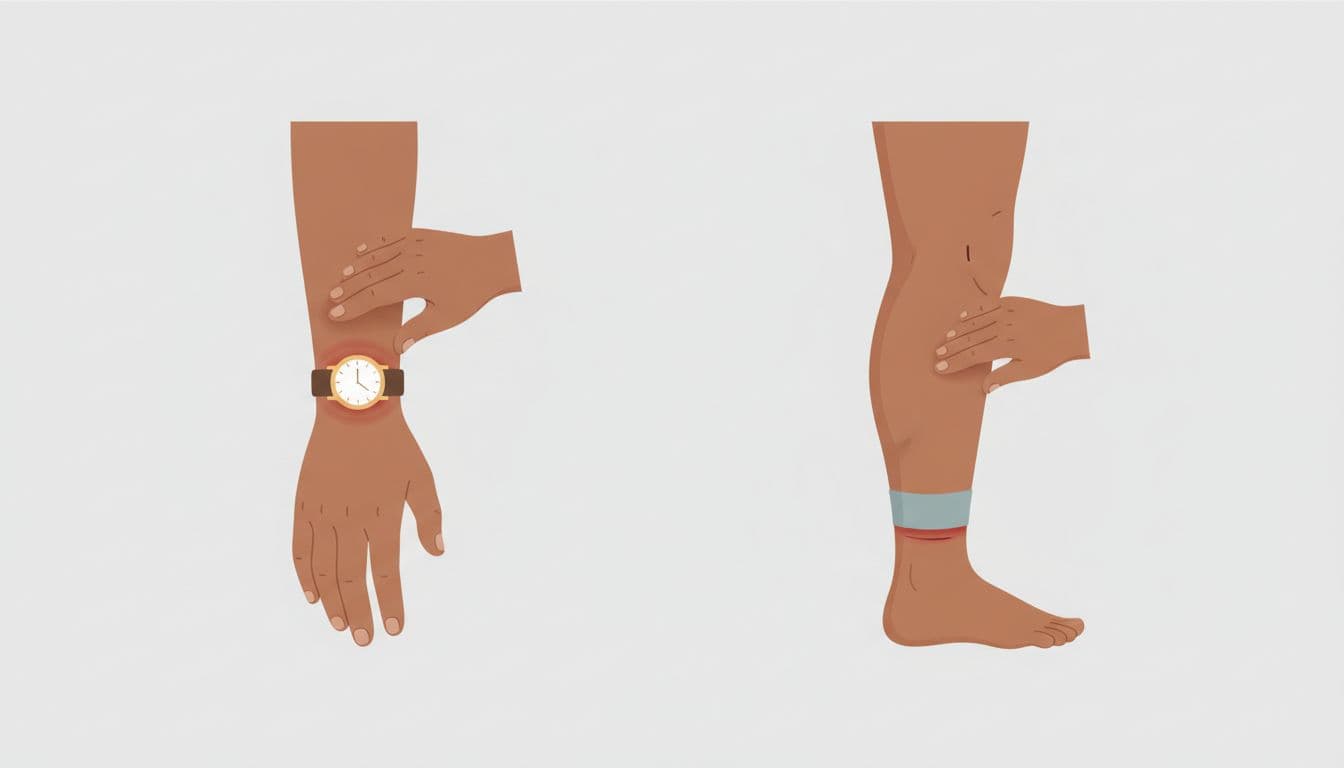
Many people expect lymphedema to announce itself with obvious puffiness. Early on, the fluid build-up usually doesn’t. It whispers.
You might notice swelling in the arms or legs through clues like your ring feels tight at the end of the day, or a watch leaves a deeper mark. A sock line may look sharper on one ankle. A sleeve might pinch on one side, even though your weight hasn’t changed.
Other early signs include:
- A heavy, full, or achy feeling in a limb
- Skin that feels tight or less flexible
- A hand that looks “square,” with less definition at the knuckles
- Clothing, bras, or shoes suddenly fitting unevenly
- Less range of motion, like a shoulder that won’t glide the way it used to
Sometimes swelling “pits,” meaning if you press a finger into the area for a few seconds, it leaves a dent. Other times it feels more firm or dense. Both can happen with lymphedema, especially as it changes over time, so don’t use pitting as your only clue.
If you’re at risk, take quick notes when something changes. What part feels different? When did it start? Does it improve overnight? That simple record can help your care team act faster.
For a focused list of warning signs and why early treatment matters, read early signs of lymphedema.
Compression basics: what it does, how it should feel, and common mistakes
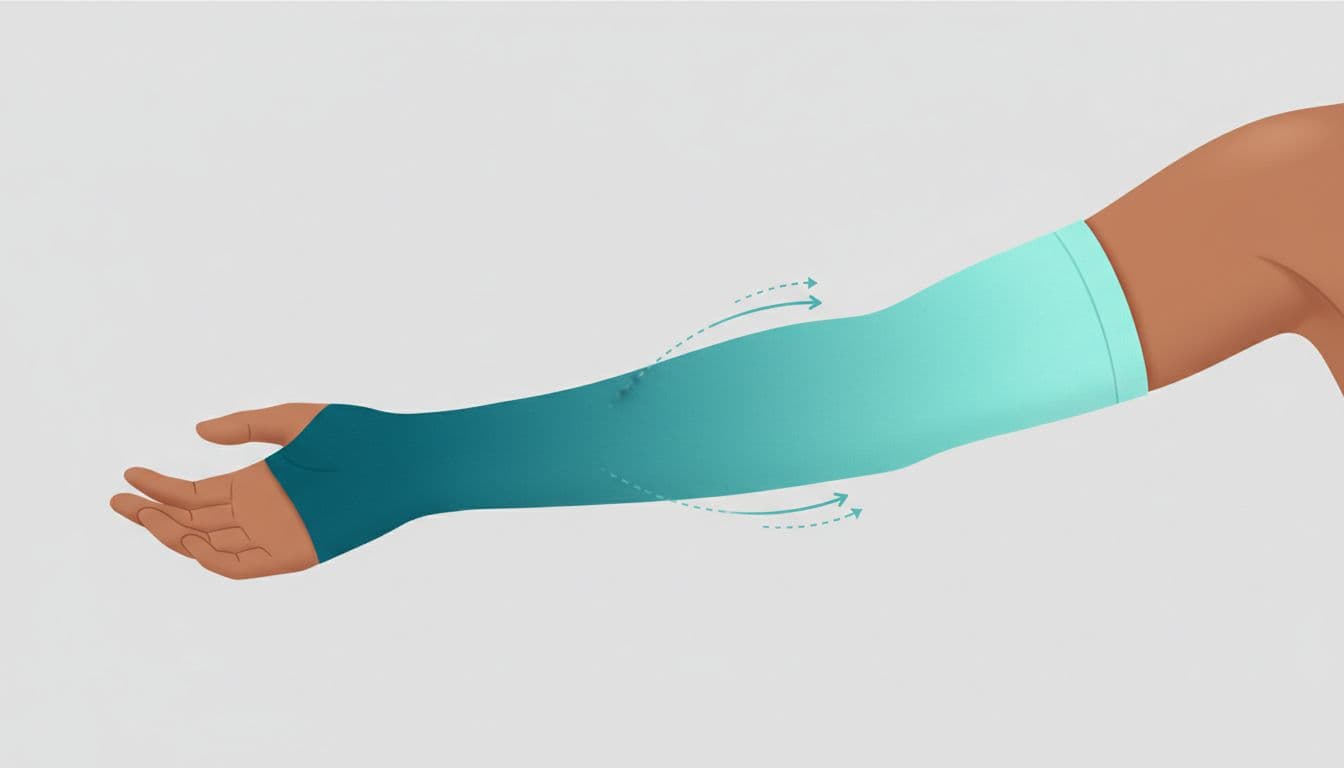
Compression is not about “squeezing swelling away” with brute force. The goal is steady, graduated pressure that supports the skin and soft tissues so lymph fluid is less likely to pool, aiding lymphedema management. Most compression garments are tighter at the far end (hand or foot) and gradually looser as they move up the limb.
A few truths that save people trouble:
Compression should feel snug, not painful. If you feel numbness, tingling, sharp pain, or your fingers or toes turn pale or bluish, take it off and call your clinic.
Fit matters more than brand. Off-the-shelf compression garments help some people, but others need custom sizing. A Certified Lymphedema Therapist or trained fitter can guide this.
Don’t “double up” without advice. Layering garments or using a too-tight size can block flow at the top edge and make swelling worse.
Watch the skin. Good skin care prevents dryness and small cracks that can invite infection. Clean skin, moisturize, and protect against cuts and burns.
Compression is often worn during the day, especially for activity, and removed at night unless your clinician tells you otherwise. Some people also use short-stretch compression bandages or adjustable compression wraps, especially when swelling fluctuates.
If you want a practical overview of sleeves, stockings, and what to ask about sizing, see compression sleeves and garments.
Safe exercises for lymphedema (and when swelling is an emergency)
Exercise can sound risky when you’re afraid of swelling. But the body has a built-in pump: your muscles. Muscle contraction helps them move lymph fluid. The key is a calm pace, not a heroic one.
Safe exercise principles that protect healing tissues
Think “gentle tide,” not “hard wave.” Start with light movement and build slowly. Consistent movement aids in preventing lymphedema flares.
A simple approach many therapists use includes:
- Deep breathing exercises: Slow belly breathing can help lymph flow through the trunk, where many pathways drain.
- Manual lymph drainage: As supplemental care, learn manual lymph drainage techniques from a certified therapist.
- Range-of-motion exercises: Shoulder rolls, wall crawls, elbow bends, ankle pumps, and easy knee bends keep joints from stiffening. Flexibility and stretching exercises can enhance these movements.
- Aerobic exercise: A steady walk is often the most reliable, whole-body option.
- Strength training, later and lighter: If cleared by your physical therapist, begin with a structured weight lifting program using very light weights or resistance, increase gradually, and stop well before fatigue.
If you’ve been prescribed compression for activity, wear it during exercise unless your therapist says not to. If a workout leaves you more swollen the next day, that’s useful feedback, not failure.
For step-by-step movements used in many cancer centers, review MSKCC lymph drainage exercises.
When swelling is an emergency (don’t wait and watch)
Most lymphedema changes are not life-threatening, but some swelling is a red alarm. Get urgent medical help (same-day urgent care or emergency room) if you have:
- Sudden, fast swelling in one arm or leg, especially with pain, warmth, or skin color change (this can signal a blood clot)
- Red, hot, tender skin, fever, chills, or flu-like symptoms (possible cellulitis infection, a serious risk of infection)
- Shortness of breath, chest pain, coughing blood, or feeling faint along with new limb swelling (possible clot traveling to the lungs)
- Swelling with new severe pain, tight shiny skin, or rapidly spreading redness
If you’re not sure, treat uncertainty as information. Call your oncology team’s after-hours line or seek care. You’re not “overreacting.” You’re responding.
Conclusion: small noticing is a form of courage
Lymphedema after surgery can be frustrating, but it’s also manageable, especially when you catch it early, use compression correctly, incorporate lymphatic drainage, and keep safe movement in your routine. Pay attention to quiet changes, protect your skin, and get help from a lymphedema specialist when you can.
If you’re in treatment or in remission, swelling can stir up old fears. Still, courage can be as small as measuring a limb, asking for a referral, or going for a slow walk on a hard day. Your body is still on your side, and you don’t have to handle this alone.