Some side effects announce themselves loudly. Others creep in, quiet as fog. Chemo peripheral neuropathy often starts that way, a faint tingling in your toes, a strange numbness in your fingertips, a sense that your body’s “wires” are misreading the world.
If you’re in treatment, newly diagnosed with Cancer, or living in remission, you may already know this feeling: you’re trying to be brave about the big things, scans, infusion days, the waiting, but it’s the small tasks that suddenly take courage. Buttoning a shirt. Holding a mug. Walking across a cold kitchen floor.
The good news is that daily habits can lower the odds of injury, reduce irritation, and help you feel more in control, even when your nerves are not cooperating.
Recognizing neuropathy early (and treating it like useful information)
Neuropathy from chemotherapy happens when certain drugs irritate or damage nerves outside the brain and spine. Those nerves are like phone lines. When they’re stressed, the message can arrive garbled: numbness, tingling, burning, pins-and-needles, electric zaps, or weakness in hands and feet.
What makes it tricky is how it changes your decision-making. If you can’t feel a blister forming, you may keep walking until it’s raw. If you can’t sense heat well, you might wash dishes in water that’s too hot. And if balance feels off, a simple step can turn into a fall.
So one of the most protective habits isn’t a supplement or a special device. It’s paying attention and reporting changes early. Keep a simple symptom note on your phone: what you felt, where, and when it was worst. Bring it to visits. Your care team can decide if the timing, dose, or schedule should be adjusted.
If you want a plain-language overview of symptoms and why they matter, Geisinger’s patient guide, Peripheral neuropathy from chemo, lays out what people commonly notice and why speaking up matters.
Courage here is quiet. It’s not “toughing it out.” It’s telling the truth about what your body is doing.
Daily habits that protect hands and feet (without taking over your life)
Neuropathy doesn’t ask permission before it shows up. Still, your day-to-day choices can make your hands and feet safer and more comfortable.
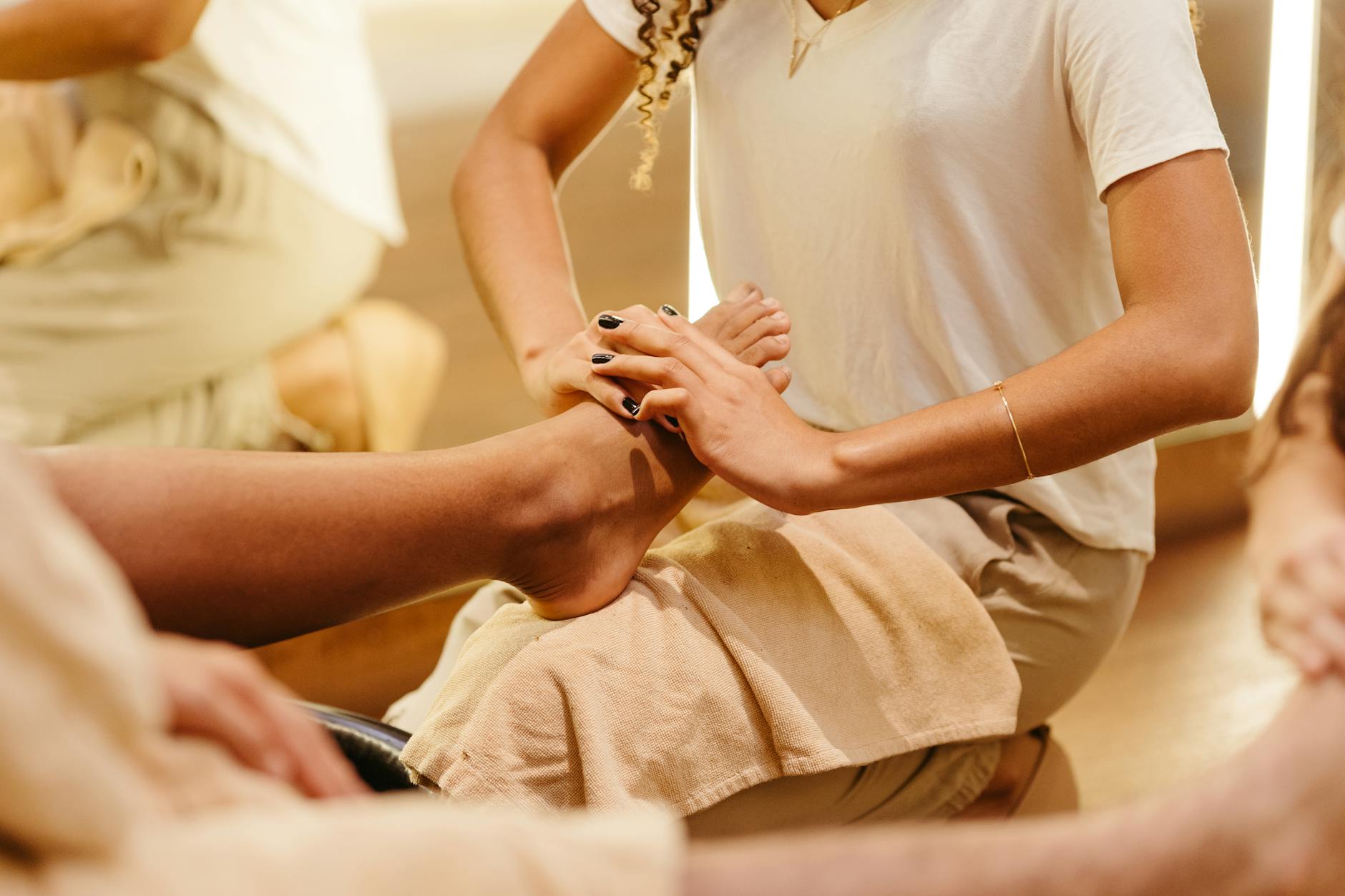
Photo by Jonathan Borba
The two-minute check that prevents big problems
Once a day, give your hands and feet a quick scan, especially if numbness is strong.
- Look for cuts, cracks, blisters, redness, swelling, or a new sore spot.
- Check between toes and around nails.
- If you can’t see the bottoms of your feet, use a mirror or ask for help.
Memorial Sloan Kettering’s guide on managing peripheral neuropathy includes practical safety reminders like skin checks and injury prevention, the kind of basics that become powerful when sensation is unreliable.
Make heat and cold less risky
Temperature can feel “louder” with neuropathy, or it can feel muted, which is more dangerous.
Try this: set your water heater a bit lower, test bath water with your elbow, wear oven mitts when cooking, and use gloves outside in cold weather. If you use heating pads, keep them on low and set a timer. Numb skin can burn before you notice.
Choose protection over fashion (just for now)
Shoes matter. A lot.
- Wear closed-toe, supportive shoes indoors if stepping on crumbs or small objects could hurt.
- Pick socks that don’t pinch, and check for seams that rub.
- Avoid walking barefoot, even in the house, if you’re numb.
For hands, small swaps help: rubber jar openers, thicker pen grips, and non-slip mats. These aren’t “giving in.” They’re conserving energy for the parts of life you actually care about.
Moisture and nails: small care, steady results
Dry skin cracks. Cracks invite infection. Use a fragrance-free moisturizer after bathing, and consider cotton gloves at night if hands are very dry. Trim nails carefully, file sharp edges, and don’t cut cuticles. If vision or grip is shaky, ask for help. Needing help is not failure, it’s wisdom.
Gentle movement, balance work, and rest that supports healing nerves
When nerves misfire, it’s tempting to move less. But total stillness can make stiffness and weakness worse, which can raise fall risk. The goal isn’t hard exercise. It’s safe, consistent motion that tells your body, “We’re still here, we’re still using these pathways.”
A simple routine can look like this:
Warm up: ankle circles, toe wiggles, open and close your hands for 30 to 60 seconds.
Steady walking: short walks on flat ground, even 5 minutes at a time.
Balance practice: stand near a counter and shift weight from one foot to the other.
Stretch and calm down: gentle calf stretch, slow breathing.
If pain flares with activity, that’s information. Back off, shorten the session, and tell your clinician. And if you feel unsteady, prioritize safety first: good lighting at home, clear walkways, and sturdy shoes.
For more symptom management ideas that include daily living and comfort strategies, Cancer Council’s page on managing symptoms of peripheral neuropathy is a helpful reference.
There’s a kind of courage in moving your body gently when it feels unfamiliar. Not to “push through,” but to stay connected to it.
What to ask your care team about (during chemo and after)
You don’t have to solve neuropathy alone. Bring specific questions, and bring them early.
Ask about treatment adjustments and symptom relief
Some people can reduce worsening symptoms by changing timing, dose, or the medication plan. Only your oncology team can guide this, but you can start the conversation. Blood Cancer United has a straightforward overview, including the reminder to keep your team updated, in their article on neuropathy and chemotherapy.
For symptom relief, your clinician may discuss prescription options, topical treatments, or referrals (such as physical therapy or occupational therapy) to help with balance, grip, and daily tasks.
Ask about cold gloves and socks (only if appropriate for you)
Cooling hands and feet during certain infusions may help lower neuropathy risk for some patients, but it’s not right for everyone, and it needs guidance. If you’ve heard people talk about “chemo gloves” or “frozen socks,” use that curiosity. Bring it to your team.
This explainer on cold gloves and socks for chemotherapy can help you understand what it is before you ask.
Know the red flags
Call your team quickly if you notice sudden weakness, trouble walking, falls, new wounds that aren’t healing, or signs of infection (warmth, pus, fever). Neuropathy can make small injuries feel small until they’re not.
Conclusion: protecting your hands and feet is a daily act of courage
Neuropathy can make your body feel like unfamiliar territory. Still, you can build small routines that keep you safer and more comfortable, day by day, step by step. If you’re in remission, those routines still matter, because healing often continues long after treatment ends.
The brave choice isn’t pretending it doesn’t hurt. The brave choice is paying attention, asking for help, and protecting the parts of you that carry you forward. What’s one habit you can start today, the kind you can keep even on hard days?