
If you’ve ever walked into a room and forgotten why you’re there, you know that small flash of frustration. Now imagine it happening on the same day you’re already carrying the weight of Cancer treatment. That’s the kind of quiet, stubborn challenge many people call chemobrain.
Chemobrain can feel like your brain is trying to work through wet wool. You’re still you, still smart, still capable, but the signal doesn’t always come through cleanly. And that can be scary, especially when everyone expects you to “bounce back” the moment treatment ends or when you enter remission.
This is a guide to what chemobrain can look like, why it may happen, and what helps, with a steady focus on a theme that shows up in ordinary moments: courage.
What chemobrain can feel like (and why it’s so unsettling)
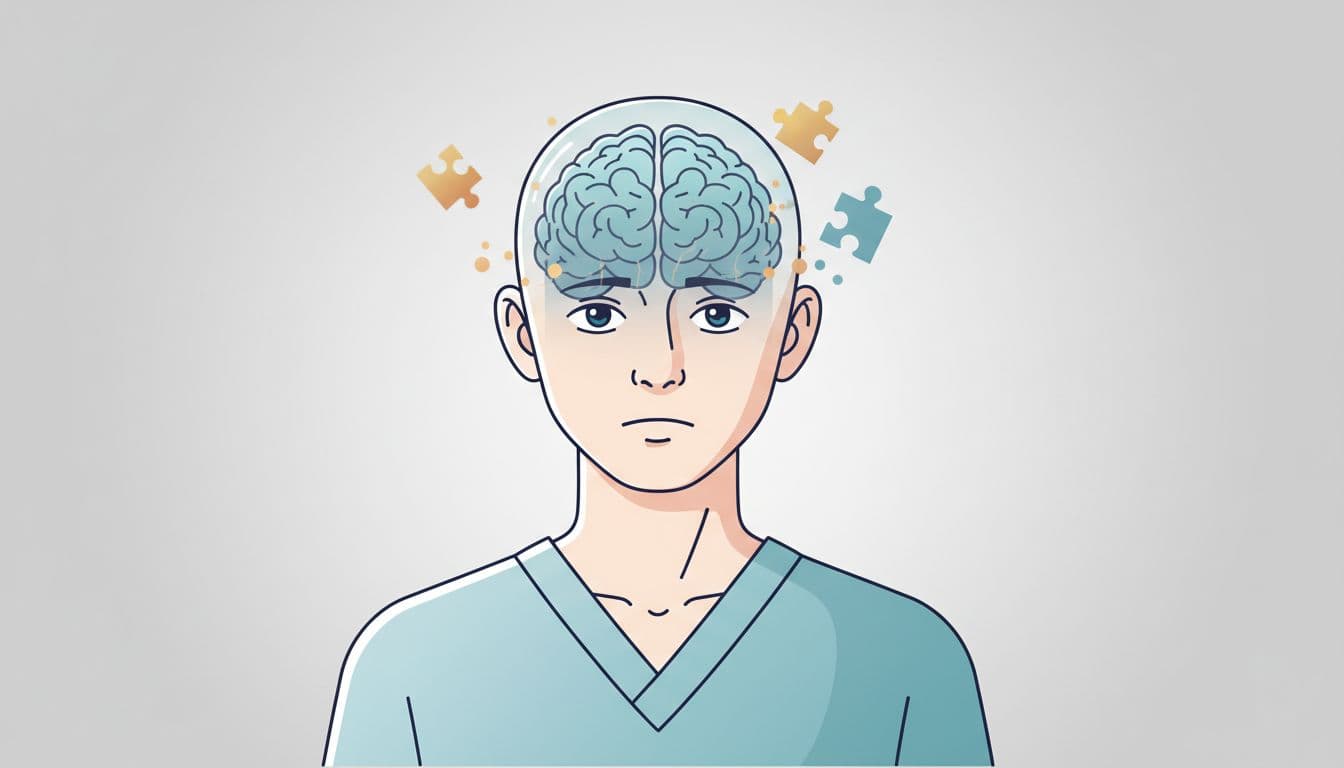
Chemobrain isn’t a formal diagnosis you can measure with one simple test. It’s a lived experience, and it often shows up in the places you used to trust yourself most: words, focus, short-term memory, and speed.
Common chemobrain symptoms can include:
- Forgetting names, dates, or why you opened your phone
- Losing your train of thought mid-sentence
- Trouble focusing while reading, watching a show, or following a conversation
- Feeling slower at planning, decision-making, or switching tasks
- Misplacing everyday items more than usual
- Struggling to find the “right word,” even when it’s familiar
What makes it so unsettling is the mismatch. On the outside, you may look “fine.” On the inside, you’re working harder just to do what used to be automatic. It can feel like trying to type with gloves on. The keys are still there, your hands still move, but everything takes more effort.
For a clear medical overview of symptoms and possible causes, the Mayo Clinic’s guide to chemo brain symptoms and causes can be a grounding place to start.
Why chemobrain happens (it’s rarely just one cause)
Chemobrain is often linked with chemotherapy, but many people notice similar thinking changes from other parts of treatment, too. Radiation, surgery, hormone therapy, immunotherapy, sleep loss, pain, stress, and anemia can all play a role. Even the emotional load of a cancer diagnosis can shape attention and memory. When your nervous system stays on high alert for months, focus can become a limited resource.
There’s also a hard truth that can be oddly comforting: the brain is part of the body. If the body has been through a lot, the mind may show the wear.
Researchers are still sorting out the “why” in detail, and it may differ from person to person. If you want a deeper, patient-friendly explanation of what experts think contributes to chemobrain, MD Anderson’s article on what causes chemobrain lays out current thinking without pretending there’s a single neat answer.
The everyday courage of admitting, “I’m not thinking clearly today”
Chemobrain can mess with confidence. It can also mess with identity. You might wonder, “If I can’t remember simple things, can I trust myself at work, as a parent, as a partner?” Those questions sting because they touch something tender: your sense of competence.
Courage here doesn’t always look like powering through. Sometimes it looks like telling the truth, softly and without shame.
- Saying to a friend, “Can you repeat that more slowly?”
- Asking your clinician to write down instructions
- Using reminders without judging yourself for needing them
- Taking breaks before your brain hits empty
It can also mean bringing it up at appointments. Many people stay quiet because they think they should be grateful just to be alive. Gratitude and struggle can sit in the same body, on the same day.
If you’re not sure how to start the conversation, this overview from Mayo Clinic on chemo brain diagnosis and treatment options can help you understand what clinicians may check (often to rule out other causes) and what support may be offered.
When to call your care team sooner
Chemobrain is usually mild to moderate, but don’t assume every change is “normal.” Reach out promptly if you notice sudden confusion, severe headaches, new weakness, fainting, new vision changes, or anything that feels fast, dramatic, or unsafe. You deserve careful attention, not guesswork.
Practical ways to cope with chemobrain (without turning life into a spreadsheet)

If your brain feels unreliable right now, the goal isn’t to “fix your personality.” The goal is to lower friction. Think of it like putting handrails on a staircase while you heal.
A few strategies that often help:
Do one thing at a time: Multitasking can turn into mental static. If you can, close extra tabs, silence notifications, and keep one task in front of you.
Externalize memory: Use a notes app, a paper planner, or voice memos. Not because you’re failing, but because your brain is busy recovering.
Create “landing spots”: One bowl for keys, one spot for meds, one folder for medical paperwork. Less searching means less stress.
Use shorter instructions: Ask for step-by-step directions, written down. At home, break chores into small chunks.
Protect sleep when you can: Sleep issues are common during treatment and after. If sleep is rough, tell your team, because poor sleep can magnify brain fog.
Move your body gently: A short walk can act like fresh air for attention. It doesn’t need to be intense to count.
If you want more coping ideas written for patients, Cancer Research UK has a practical page on coping with cognitive changes (chemo brain) that covers real-life tips in plain language.
Chemobrain in remission: what healing can look like (and how to stay hopeful)

For many people, chemobrain improves over time. For others, it lingers in smaller ways. Both experiences are real. Remission is often painted as a finish line, but it can feel more like stepping onto a new road with different rules. You may look back and think, “Why isn’t my brain back to normal yet?”
Healing doesn’t always move in a straight line. Some weeks you’ll feel sharper. Some days the fog returns. Stress, scans, anniversaries, and fear can all stir it up again, even when treatment is over.
This is where courage becomes quiet again. It can look like patience with your own timeline. It can look like practicing skills the way you’d rehab a knee: slowly, consistently, without expecting perfection.
If you want support you can print or share with family, CancerCare offers a patient-friendly resource on coping with chemo brain and keeping your memory sharp that validates the experience and suggests practical steps.
Conclusion: Your mind isn’t broken, it’s recovering
Chemobrain can make you doubt yourself, but it doesn’t erase who you are. These changes are a common part of the cancer experience for many people, during treatment and sometimes into remission.
The brave move is not pretending it’s easy. The brave move is naming what’s happening, asking for support, and building small systems that help you live your days with less strain. If your brain feels foggy right now, hold onto this: courage can be as simple as trying again tomorrow.