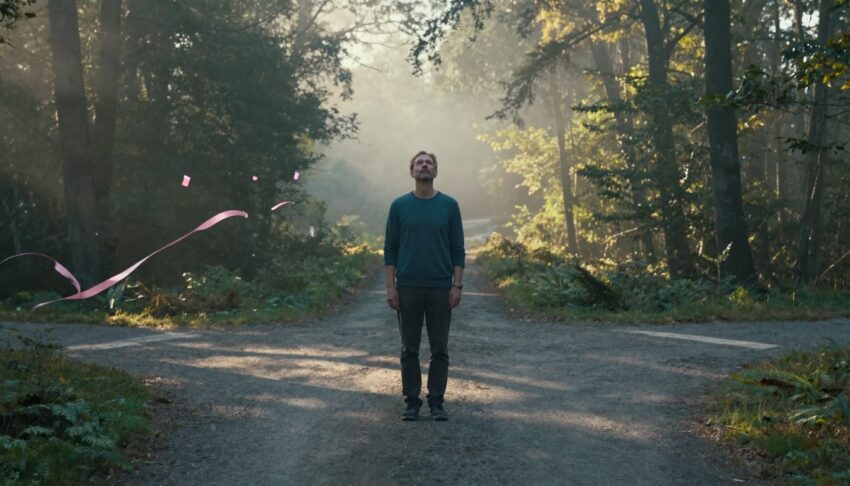
The words land first.
“You have cancer.”
The room still looks the same, but nothing feels the same. You may hear the doctor talking, see lips moving, yet inside, everything goes quiet. Then the questions rush in at once. What now? What do I choose? How do I stay standing?
In that moment, cancer diagnosis decisions can feel far bigger than any choice you have ever made. Treatment options, second opinions, clinical trials, work, family, money, faith, fear. It stacks up, fast.
I wrote this for that shaky space you might be standing in right now. I want to talk about courage in small steps, about practical tools, and about how you can hold on to compassion for yourself while you decide what comes next.
The Moment After The Words “You Have Cancer”
I remember sitting beside a friend right after her diagnosis. She nodded while the doctor spoke, but later she told me, “I did not take in a single word.” Her mind protected her by going blank.
If that happened to you, it does not mean you are weak or careless. It means you are human. Shock comes first, thinking comes later.
Many people feel pressure to decide everything in a single visit. Surgery or not. Chemotherapy or not. Work or leave. But most of the time, you have at least a little room to breathe. You can ask, “How much time do I have to make this choice?” and let the answer guide your pace.
That simple question can create a small pocket of space where your heart can catch up with the facts.
Slowing Decisions So Your Heart Can Catch Up
Fear loves speed. It whispers, “Do something now or everything will fall apart.” But wisdom usually needs a slower step.
You can slow the moment in a few simple ways:
- Bring someone you trust to appointments.
- Ask if you can record the visit on your phone.
- Write down what you hear, even rough notes.
Many cancer centers now teach shared decision-making, which means you and your team choose together. Guides like the American Cancer Society’s page on making cancer treatment decisions show how to sort options by your goals, not just by survival numbers.
Slowing down does not mean doing nothing. It means you gather strength, information, and support so your next step matches your values, not only your fear.
Getting Clear Information Without Getting Lost
Information can help, but too much at once can feel like standing in front of a fire hose. I try to remember that I do not need every answer in one day. I just need the next few pieces.
Most experts suggest you start with a few basics:
- What type of cancer do I have?
- Has it spread, and where?
- What is the goal of each treatment, cure, control, or comfort?
- What are the main side effects in the short term and long term?
- How soon should I start, and what happens if I wait a little?
Today, doctors often check for biomarkers or genetic changes in the tumor. In plain words, these are special signs on the cancer cells that might open doors to targeted drugs or immunotherapy. You can ask, “Are there any lab or genetic tests that might affect my treatment choices?”
If you want a deeper, practical overview, the Cancer Council has a gentle, step-by-step guide on making decisions after a cancer diagnosis. It covers questions, note-taking, and ways to break big choices into smaller ones.
Simple questions that open real conversations
I like questions that feel simple enough to say out loud when my voice shakes. Questions like:
- “If you were in my shoes, what would you consider first, and why?”
- “Can you explain my options in simpler words?”
- “What choice fits best if my top priority is time with family, not work?”
- “Is there a clinical trial that could be right for me?”
These questions do more than get facts. They invite your doctor to see you as a person, not just a case. That is where real guidance starts.
Letting Your Values Guide Your Cancer Diagnosis Decisions
Facts describe your cancer. Values describe your life. Both matter.
Your age, your work, your family roles, your body, money, faith, fears, hopes; all of this sits at the table with you. Newer decision tools, like those shared by the Cancer Support Community in their guide to the treatment decision process, ask you to look at things like:
- What do I most want to protect?
- What side effects feel acceptable, and which feel too heavy?
- Do I value length of life, comfort, or independence most right now?
There is no right answer that fits everyone. Two people with the same cancer might choose very different paths. That does not make one brave and the other not. It only shows that lives are different.
When you let your values sit at the center, your choice will feel more honest, even if it stays painful.
Asking For Help And Second Opinions
I see so much quiet courage in people who say, “I do not understand,” or, “I want a second opinion.” It takes strength to admit that you need more.
A second opinion rarely insults your first doctor. In fact, many doctors welcome it, because another team might see something new or confirm the same plan. You can say, “I would feel better hearing another view. Can you suggest someone?”
If you feel alone, you might find comfort in resources like the American Cancer Society’s booklet After Diagnosis – A Guide for People With Cancer and Their Loved Ones. It covers feelings, family talks, and next steps in simple language you can revisit when your mind clears.
Support groups, counselors, chaplains, and social workers also help. You do not have to hold every fear by yourself.
Living With Uncertainty After A Decision
No matter how careful you are, no choice will remove all doubt. Cancer lives in the land of “no guarantees.” That is a hard truth.
What helps many people is this small shift: instead of asking, “Did I pick the perfect plan?” they ask, “Did I choose as well as I could with what I knew then?” That question honors your effort, not just the outcome.
Here is where resilience shows up in daily, quiet ways. Getting out of bed for an early scan. Taking pills when you feel sick of them. Calling the nurse when something feels wrong instead of toughing it out. Letting friends bring dinner.
Self compassion matters just as much. You can tell yourself, “Of course I am scared. Of course I am tired. I can still show up for this day in small ways.”
That, to me, is real courage.
Closing Thoughts: Walking The Path One Step At A Time
When I think about cancer diagnosis decisions, I picture a long hallway, not a single door. You do not walk it in one leap. You take one step, then another, sometimes with tears, sometimes with a shaky laugh.
You gather information, ask questions, listen to your values, and lean on the people and tools around you. You adjust as new knowledge appears. You give yourself permission to feel messy and human.
If you stand in that early, stunned moment right now, I am glad you are still reading. You are already doing something brave. Let your next choice be one small step that honors both your life and your heart, and let that be enough for today.