

A pet can make a hard day feel less empty. During infusions, fatigue, and the long hours between appointments, that familiar face at your feet can offer emotional support and comfort no medicine bottle can provide.
Pets during chemotherapy can still be part of your life, and most patients don’t need to give up their pets. Precautions depend on your immune status, the specific therapy, and guidance from your oncology team and veterinarian. A few steady habits can protect you while keeping the ordinary closeness of companion animals warm and reassuring.
Key Takeaways
- Most people receiving chemotherapy don’t need to give up their pets. With sensible precautions, companionship and infection safety can exist in the same home.
- Let your immune status, blood counts, treatment plan, and oncology team’s guidance determine which pet-care tasks need extra care or delegation.
- Ask someone else to handle litter, animal waste, cages, tanks, vomit, and contaminated bedding whenever possible. Keep pets away from chemotherapy waste and follow your clinic’s timing instructions.
- Prevent licking of your face, wounds, central-line dressing, or open cuts, and address bites or scratches promptly. Keep pets healthy with routine veterinary care and current vaccinations.
- If your pet also receives chemotherapy, follow the veterinary team’s separate waste-handling instructions and call on your support network for cleanup and medication tasks.
Pets During Chemotherapy Can Still Bring Comfort
Treatment changes daily life, but it doesn’t erase the comfort of a dog leaning against your leg or a cat purring nearby. For many people, pets bring routine when everything else feels uncertain. They get you out of bed. They give the day a shape.
Your care team may ask you to take extra care at certain points in treatment. Pet owners can preserve that companionship by adjusting a few care routines. Sensible safety precautions reduce the chance of infections without requiring separation from a healthy, well-cared-for pet.
Keep affection, change the risky moments
Petting, talking, brushing, and sitting together are usually fine. Good hand hygiene matters after handling food bowls, toys, leashes, or fur, especially before eating or touching your face. If you have particular immune risks, confirm any restrictions with your oncology team.
The American Cancer Society encourages people in treatment to keep their pets while taking sensible precautions around waste, saliva, and scratches. Their guidance on caring for pets during cancer treatment offers a reassuring message: companionship and caution can live in the same home.
You don’t have to choose between being careful and being comforted. You can do both, one small habit at a time.
Know When Your Immune System Needs Extra Care
Some chemotherapy plans can weaken your immune defenses and lower white blood cell counts more than others. Your oncology team can tell you if you have neutropenia, which means infection-fighting white blood cells are low. Ask when your count may reach its lowest point after each treatment.
This matters because a small scratch or contact with animal waste can carry more risk during that window. For immunocompromised patients, a fever or possible infection deserves prompt attention. Your medical team may direct you to call the clinic or hospital, so follow those instructions.
Let your lab results guide your rules
Don’t guess based on how you feel. Blood work, rather than symptoms alone, should guide individualized decisions. Keep your latest results and testing schedule nearby. Ask how your treatment plan, specific drugs, schedule, and expected low-count period affect pet care:
- Do my drugs increase infection risk after a pet bite or scratch?
- When might my white blood cell count reach its lowest point?
- Are there days after treatment when I should avoid litter, pet waste, or grooming?
- What symptoms should prompt a call to my clinic?
You can also keep low white blood cell count precautions close at hand. Good information doesn’t make life smaller. It helps you know which risks deserve your attention.
Keep Pet Waste Out of Your Hands
Animal stool, urine, vomit, and cage debris can carry bacteria and parasites. The safest plan is simple: ask someone else to handle these jobs while your immune system is weak.
That may feel uncomfortable if you have always managed every part of your pet’s care. Still, accepting help is temporary support, not giving up independence or abandoning your pet.
Litter boxes, dog waste, and indoor accidents
Ask a family member, friend, neighbor, or pet sitter to clean the litter box, bird cage, aquarium, yard waste, and indoor accidents. Keep cat litter away from the kitchen and any area where you prepare food.
If you live alone, wear disposable gloves and avoid dust from litter or dried waste. Seal the waste in a bag, clean the surface, remove the gloves, and wash your hands with soap and water. These safe handling steps are backup measures, not a guarantee of safety.
OncoLink’s pet-care guidance also recommends delegating cat litter, dog poop, vomit, and other animal waste whenever possible. Make the request plain: “Could you scoop the litter each evening this week?” People often want to help. If an unusual exposure or spill occurs, ask your oncology team or veterinarian what to do.
Build a small cleanup plan before treatment day
Keep gloves, paper towels, sealable bags, and household disinfectant where they are easy to reach. Put a washable blanket on your pet’s favorite spot if accidents sometimes happen.
If urine, stool, or vomit gets on clothing or bedding, have another person wash it. Follow your clinic’s directions, fabric-care instructions, and ordinary household infection-control guidance rather than assuming the hottest setting is always appropriate. Planning ahead takes some weight off a tired day. Getting your home ready for cancer treatment can help you set up these practical details before fatigue hits.
Set Gentle Boundaries Around Licks, Scratches, and Sleep
A loving lick can feel harmless, but pet saliva can carry germs. Don’t let your dog or cat lick your face, mouth, eyes, central-line dressing, surgical incision, or open cut. If saliva touches intact skin, wash the area with soap and water.
Trim your pet’s nails or have a groomer do it. Skip rough play when you feel weak or unsteady. If a pet scratches or bites you, wash the area right away and call your oncology team for advice. Don’t wait for redness or swelling to decide it matters.
Can your pet sleep in your bed?
There is no one rule for every household. Most patients don’t need to rehome or surrender a pet. A healthy, house-trained dog or cat often can remain nearby, but face licking, open wounds, contaminated bedding, bites, and scratches require extra caution.
Let your treatment plan and immune status guide sleeping arrangements and grooming. Wound or line care and your oncology team’s advice should shape other boundaries.
A separate pet bed beside yours may feel like the best middle ground during active treatment. It keeps your pet close without putting paws, saliva, or a surprise accident near your sheets. If your pet sleeps with you, wash bedding often and change it after any accident.
Stay current on ordinary veterinary care
Keep vaccinations, flea and tick prevention, and routine veterinary care up to date. Coordinate with your oncology team and veterinarian if your pet develops diarrhea, parasites, a skin infection, or unusual behavior. If your pet becomes ill or has a concerning change, a veterinarian may recommend a physical examination or blood work.
Avoid newly adopted stray animals until you can discuss the situation with your care team. A new pet can be wonderful, but young animals often have accidents, parasites, and sharp little teeth. This is a season for fewer surprises.
Some Animals Carry Higher Infection Risks
Dogs and cats with routine veterinary care and current vaccinations are often manageable for pet owners during cancer treatment. Reptiles, amphibians, rodents, chicks, ducklings, and some birds need more caution. The CDC notes that these animals can carry germs such as Salmonella, even when they look healthy.
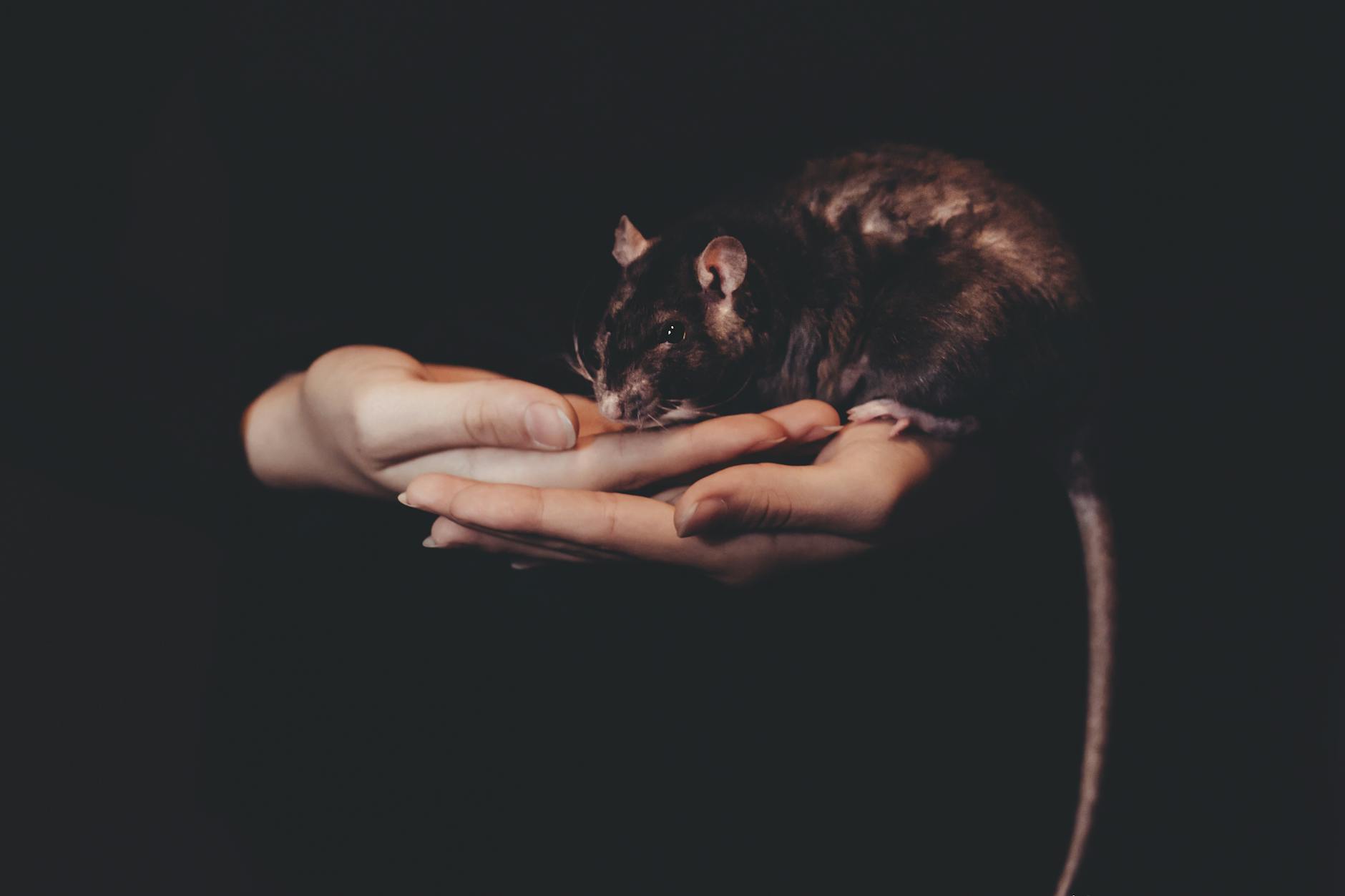
Photo by freestocks.org
Ask for help with cages and tanks
Don’t clean reptile tanks, rodent cages, bird cages, or fish tanks when your immune system is weakened. Let someone else handle feeding, cleaning, and water changes. To reduce exposure to infections, keep animal supplies out of the kitchen sink and away from food surfaces.
If you already have a rabbit, hamster, rat, bird, or reptile, you don’t need to panic or automatically rehome them. Your oncology team can review your treatment plan, blood work, and white blood cell count. Your veterinarian can assess the animal’s care needs, while a trusted caregiver in your support network covers messier tasks.
For people living with cancer and another condition, such as Parkinson’s disease, help matters even more when balance or movement is affected. Weakness or mobility problems can make leashes, litter boxes, tanks, and wet floors fall hazards, with added infection concerns.
Protect Pets From Your Chemotherapy Waste
Chemotherapy drugs leave the body through urine, stool, vomit, and other bodily fluids. Your pet shouldn’t come into contact with those fluids. The American Cancer Society uses at least 48 hours after chemotherapy or other infusions as a general reference point. Pets and household members could face exposure through treatment waste.
Read the chemotherapy safety instructions from the American Cancer Society, then follow the timing in your treatment plan and your clinic’s instructions. Precaution periods vary by drug, dose, route, and treatment schedule. Some patients need longer precautions.
Simple rules for the first days after treatment
Close the toilet lid before flushing, then flush twice if your clinic recommends it. Keep the bathroom door shut if a curious pet tends to investigate. Clean any splashes or spills while wearing gloves.
Don’t let pets drink from the toilet. Keep them away from vomit, used tissues, soiled laundry, and spills that may contain bodily fluids. If a pet does touch or eat something concerning, call your oncology team and veterinarian for guidance.
These rules matter most after an infusion, but they don’t have to take over the whole house. Think of them as a temporary gate around the treatment days.
If Your Pet Also Receives Chemotherapy
Some families face a tender, unusual situation: both the person and the pet are being treated for cancer. Veterinary oncology manages cancer in animals, often using lower doses than human treatment. Veterinarians focus on a pet’s comfort and quality of life.
Pets can still have side effects, including nausea, poor appetite, vomiting, diarrhea, and tiredness. The veterinary team may discuss anti-nausea medications for gastrointestinal upset and monitor counts with blood work when clinically indicated. Hair loss is less common in pets, though some breeds with continuously growing coats may lose hair.
Use a separate safety plan for your animal
If your pet receives chemotherapy, ask the veterinary oncology team for written waste-handling directions. These directions are separate from your own chemotherapy instructions, so consult both oncology teams before cleanup. Many veterinary programs advise avoiding a pet’s urine, stool, vomit, saliva, contaminated bedding, and litter for 72 hours after treatment. Wear gloves if cleanup can’t wait, and follow the team’s safe handling guidance.
The safe-handling instructions for pets on chemotherapy from North Carolina State University explain practical steps for waste, bedding, and litter. Review the page for current guidance, and never split or crush an oral veterinary chemotherapy tablet unless the veterinary team gives you explicit instructions.
This is a time to call in your support network. Someone can handle the litter. Someone can take the dog outside. Someone can pick up medication. A life-threatening disease asks enough of you already.
Frequently Asked Questions
Can I keep my pet during chemotherapy?
Most patients can keep their pets during chemotherapy. Your oncology team can tailor precautions to your treatment, blood counts, immune status, and the health and care needs of your animal.
Who should clean the litter box or pet waste?
Ask a family member, friend, neighbor, or pet sitter to handle litter, dog waste, cages, tanks, vomit, and indoor accidents while your immune system is weakened. If you must do it yourself, use gloves, avoid dust or splashes, seal the waste, and wash your hands carefully.
Is it safe for my pet to sleep in my bed?
There is no single rule for every household, but a healthy, house-trained pet can often remain nearby. A separate pet bed beside yours may reduce contact with paws, saliva, contaminated bedding, and unexpected accidents during active treatment.
What should I do if my pet scratches or bites me?
Wash the area immediately with soap and water, then call your oncology team for advice. Don’t wait for redness, swelling, or other signs of infection before asking what to do.
Can my pet be near chemotherapy waste?
No. Keep pets away from urine, stool, vomit, used tissues, soiled laundry, and spills that may contain chemotherapy drugs, and follow your clinic’s instructions for the precaution period. If your pet touches or eats something concerning, contact your oncology team and veterinarian.
A Safe Home Still Has Room for Love
Cancer may change the rhythm of your home, but it doesn’t have to silence the sound of a collar at the door or a cat settling beside you. During treatment and recovery, delegate waste cleanup, prevent licking of wounds or medical devices, and follow your clinic’s instructions for handling treatment waste.
Most patients don’t need to give up their pets. Address bites and scratches promptly, and let your oncology team and veterinarian tailor boundaries to your immune status and therapy.
Careful love is still love.

1 thought on “Pets During Chemotherapy: Safe, Loving Home Rules”