

Some chemotherapy drugs make your skin more sensitive to sunlight, so you may burn more easily than before treatment. Sun sensitivity during chemotherapy calls for layers of protection: shade, covered skin, and sunscreen your oncology team recommends.
Cancer treatment already asks you to make room for many changes, and losing the comfort of an outdoor walk can feel like another loss. You can often keep those moments of fresh air with a gentler plan. Start by understanding what your skin needs now.
Key Takeaways for Outdoor Days
- Some chemotherapy medicines increase sun sensitivity, but each treatment carries different risks.
- Combine protective clothing, shade, broad-spectrum protection, and sun-protective lip balm; do not rely on any one measure.
- Report new rashes early, and call promptly about painful, blistering, peeling, or widespread skin changes.
Recognizing Sun Sensitivity During Chemotherapy
How a drug-related reaction differs from ordinary sunburn
Anyone can develop sunburn after too much ultraviolet light, the invisible rays that reach your skin. Certain medicines lower your skin’s tolerance for that exposure. Doctors call this increased sensitivity photosensitivity.
One type, a phototoxic reaction, happens when a medicine reacts with ultraviolet light and damages skin. It can resemble an unusually strong sunburn after exposure you once tolerated.
Chemocare’s photosensitivity guidance describes reactions that can include swelling, blistering, and weeping skin. You don’t need to identify the reaction yourself before asking for help.
Changes worth noticing
Chemotherapy can also cause dry skin, itchy skin, peeling, darker skin, or a mild rash without sun exposure. Clinicians call itching pruritus.
A new rash doesn’t automatically mean sunlight caused it.
Notice where changes appear. The face, neck, forearms, and backs of the hands often receive more sunlight than covered areas.
Look beyond redness, especially on darker skin. Tenderness, warmth, swelling, or changes in color may offer clearer clues. Write down when symptoms began, which medicines you took, and whether you spent time outdoors. A photograph can help your team understand how the area changes.
Which Cancer Treatments Can Affect Your Skin?
Chemotherapy drugs don’t all carry the same risk
The medical review Anticancer Treatments and Photosensitivity identifies fluorouracil, also called 5-FU, methotrexate, and paclitaxel among chemotherapy medicines associated with sun-related reactions.
That association doesn’t mean everyone taking these medicines will develop a reaction. Your treatment combination and other medicines matter, too. Some targeted therapy medicines can also affect the skin, and the specific risks vary by drug.
Ask your oncology pharmacist to review your complete medication list, including prescriptions, over-the-counter products, and supplements. Medicines you take alongside cancer treatment can also affect your skin. Don’t stop or change a prescription on your own because you suspect sun sensitivity.
Radiation effects and radiation recall need separate care
Radiation therapy usually affects skin within the treatment area. It can cause itching, dryness, redness, peeling, or moist, weeping patches. Some radiation-related changes last longer than chemotherapy-related changes, and some persist.
Radiation recall happens when a medicine triggers inflammation in an area that received radiation earlier. That skin may become red, painful, blistered, or peeling, even without a new sunburn.
Tell your team about these changes. Avoid heating pads, ice packs, and bandages on the radiation treatment area unless your radiation team directs you to use them. Ask which creams and sun-protection products suit that particular area.
Build a Sun-Protection Routine Before You Leave
Let clothing and shade share the work
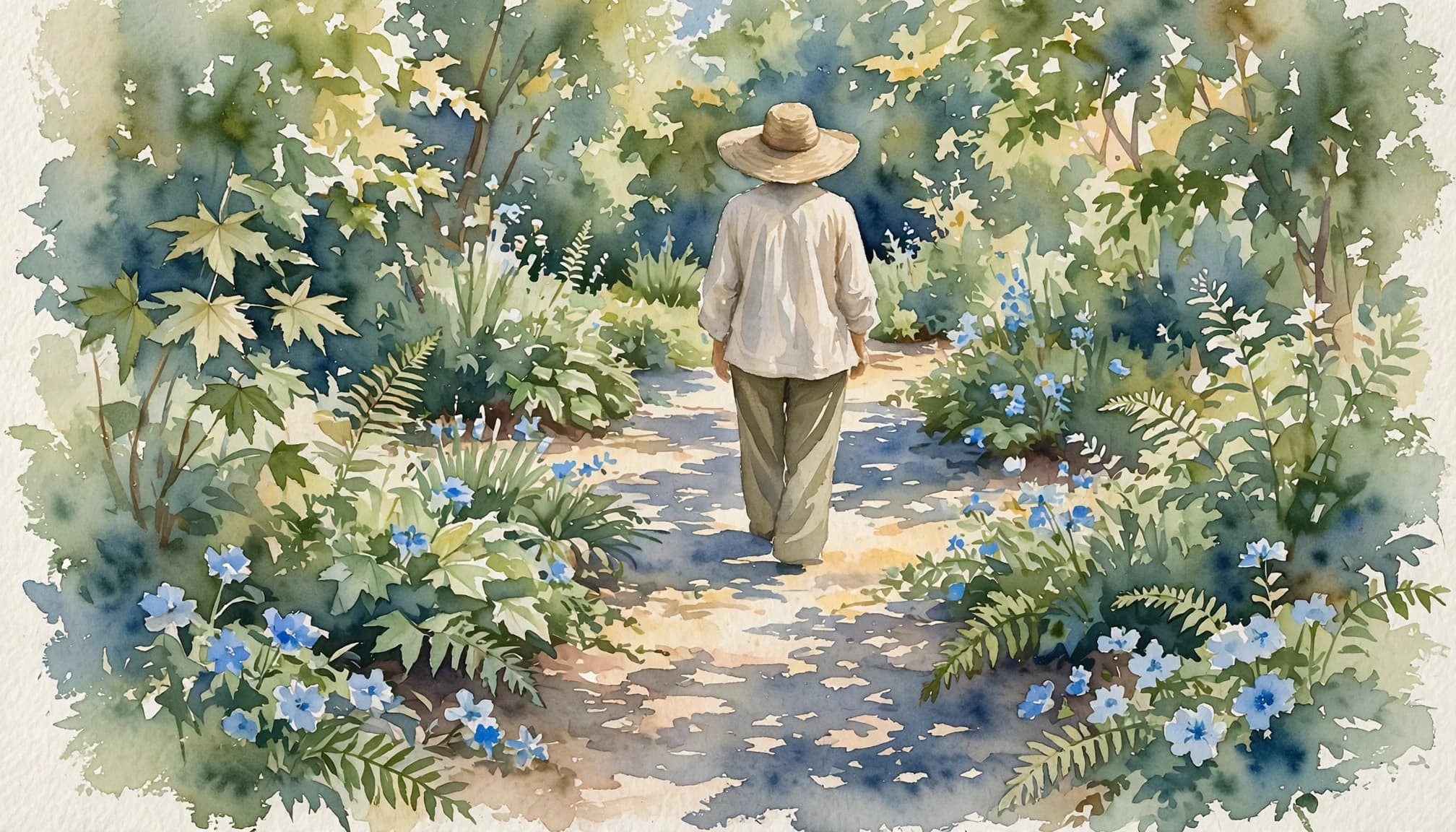
Wear a loose-fitting long-sleeved shirt, long pants, and a wide-brimmed hat. Choose tightly woven fabric or clothing with an ultraviolet protection factor, often labeled UPF. Add sunglasses with UV protection.
If treatment causes hair loss, give your scalp extra attention. A hat protects areas that hair once covered, including the tops of your ears.
Plan walks when sunlight feels less intense, and choose shaded paths or covered seating. Clouds don’t block all ultraviolet rays. Some rays also pass through windows, so a sunny car ride deserves attention.
What would make today’s outing comfortable? Perhaps a shaded bench offers what you need without a long walk.
Choose sunscreen for protection and comfort
The American Academy of Dermatology’s cancer-treatment skin guidance recommends broad-spectrum, water-resistant sunscreen with SPF 30 or higher on exposed skin.
Apply it before going outdoors, following the label’s directions. Cover easily missed places, including your ears, neck, hands, and feet. Use sun-protective lip balm, too.
Reapply it at least every two hours outdoors and after swimming or sweating, according to its label. Water resistance doesn’t mean all-day protection.
If a product stings, tell your team and ask about another formulation. It should support your clothing and shade choices. It doesn’t give sensitive skin unlimited time in direct sunlight.
Give Dry, Itchy Skin Gentle Care
Make bathing and moisturizing easier on your skin
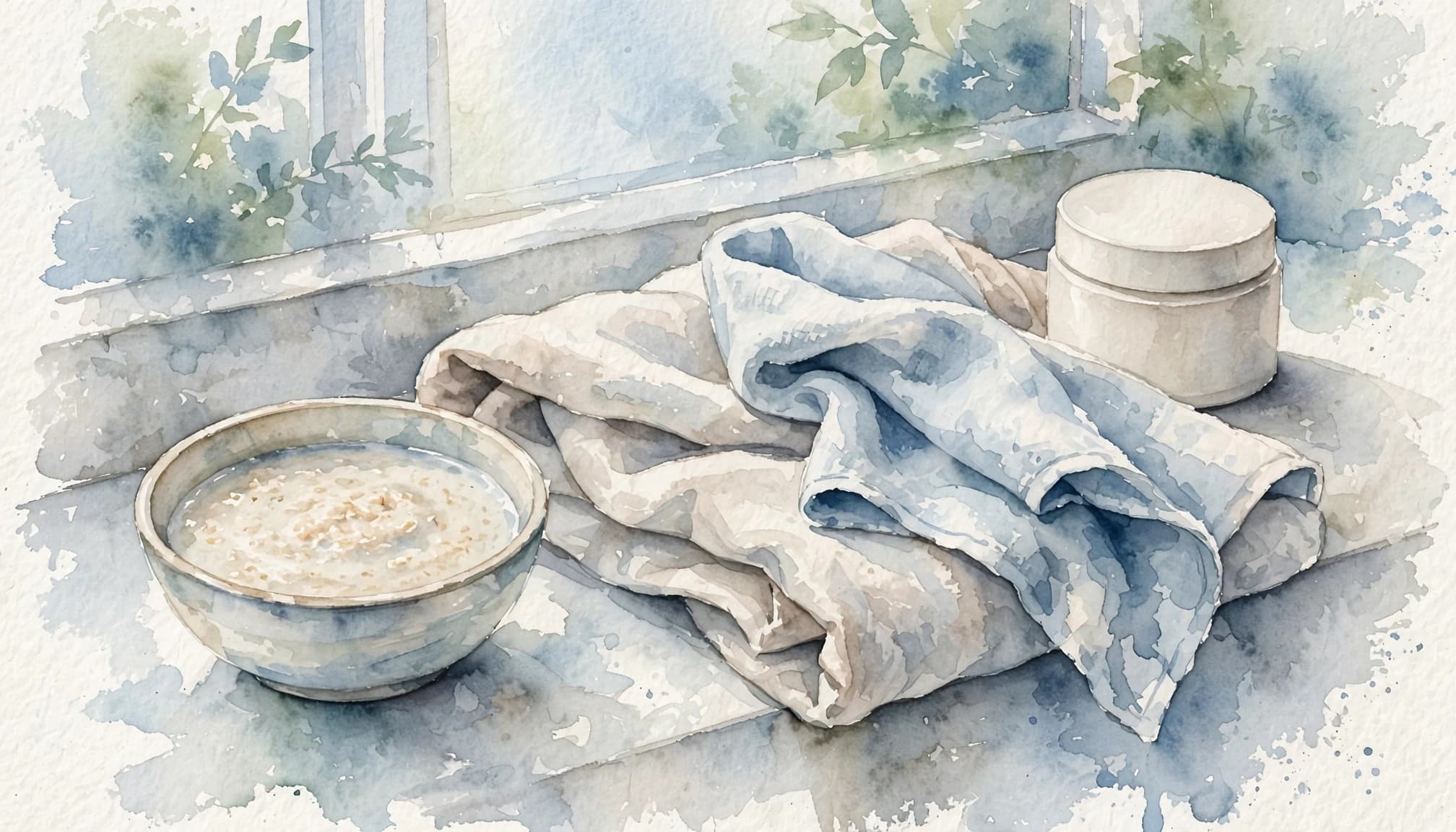
Keep showers short and lukewarm. Hot water can make dry skin more uncomfortable. Pat yourself dry gently, then moisturize with a fragrance-free cream or ointment while your skin still feels slightly damp.
Avoid scented soaps, harsh detergents, and products with drying alcohol or fragrance. A product that once felt pleasant may irritate your skin during treatment.
For itchy skin, colloidal oatmeal in bathwater may help soothe it. A cool, damp washcloth may also soothe an uncomfortable area. Follow separate instructions for radiation-treated or broken skin, and keep ice packs away from radiation treatment areas.
Protect your sleep, hands, and nails
Loose cotton clothing and a cooler bedroom may reduce irritation at night. Keep nails short to limit damage if you scratch. If pruritus disrupts your sleep despite these steps, tell your team.
Wear gloves for household chores to help prevent cracked nails and swollen or painful cuticles. Report nail changes, including cracking or painful cuticles, to your team.
Ask your team or pharmacist before adding an antihistamine. Some cause sleepiness, interact with other medicines, or increase fall risk.
Skin discomfort belongs in supportive care during cancer treatment, alongside fatigue, nausea, and sleep problems. You deserve relief while your doctor works out the cause. Don’t wait until itching takes over your nights.
Know When Skin Changes Need Prompt Help
Call your oncology team promptly about new or worsening skin changes, especially a rash that causes pain or interferes with sleep. UVA Health’s sun-sensitivity guidance describes swelling, blisters, weeping, and peeling among possible sun-related reactions. Don’t dismiss these changes as an ordinary outdoor inconvenience.
Stem cell transplant, targeted therapy, and immunotherapy can cause more severe skin problems than chemotherapy or radiation alone. During immunotherapy, contact your doctor immediately for an extensive, painful, blistering, or peeling rash. Eye symptoms or sores involving the mouth or genitals add urgency.
Seek emergency help for trouble breathing, throat tightness, faintness, or swelling of your lips or tongue. During chemotherapy, call immediately for a temperature of 100.4°F (38°C) or higher.
Your clinician may prescribe topical corticosteroids, which are steroid creams, or oral corticosteroids for certain inflammatory rashes. Antibiotics may help when infection contributes. Don’t start leftover medicines or steroid creams without advice.
A rash that appears after an outdoor day may still come from treatment or infection. Tell your team about both the sunlight and your medicines.
Bring Clear Questions to Your Care Team
Before a new treatment begins, ask: “Does this medicine increase sun sensitivity, and what should I do differently outdoors?” If you receive targeted therapy, ask whether your specific medicine changes your outdoor precautions. Include any previous radiation treatment in that conversation.
Ask your health care team which sun-protection products, lip balm, moisturizer, and itch treatments it recommends. Find out which changes require a same-day call and how to reach someone after office hours.
Keep the answers beside your medication list or in your journal. A caregiver can help record instructions when fatigue makes details hard to hold onto. There is courage in asking someone to listen with you. You don’t have to remember every answer alone.
Frequently Asked Questions
How long should I keep extra protection after chemotherapy?
Keep your sun-protection routine after the final dose. There isn’t one timetable that fits every chemotherapy medicine or every person’s skin. Your oncology team can guide changes according to your treatment and symptoms.
Remission doesn’t automatically mean treatment-related sensitivity has ended. Continue reporting persistent or changing symptoms rather than assuming they belong to the past. Ordinary sun protection remains worthwhile even after extra treatment precautions end.
Can I still enjoy being outdoors?
Often, yes. Let your energy, skin condition, and treatment instructions shape the outing. A covered porch or short shaded walk may offer welcome contact with the world beyond appointments.
Our reflections on outdoor time during chemotherapy recognize how much those moments can mean. Keep protection part of that experience, and shorten the outing if your skin hurts or you feel unwell. You don’t need to prove your strength by staying longer.
Make Room for Comfort Outdoors
Protecting sensitive skin begins with a few steady habits: covered skin, shade, suitable sun protection, and attention to new symptoms. Keep your care team close to the conversation when something changes.
There is courage in adjusting an ordinary day to meet your body’s needs. You can choose comfort and protection while still making room for fresh air, a familiar path, or a few peaceful minutes beneath a tree.

1 thought on “Sun Sensitivity During Chemotherapy: Safer Outdoor Days”