
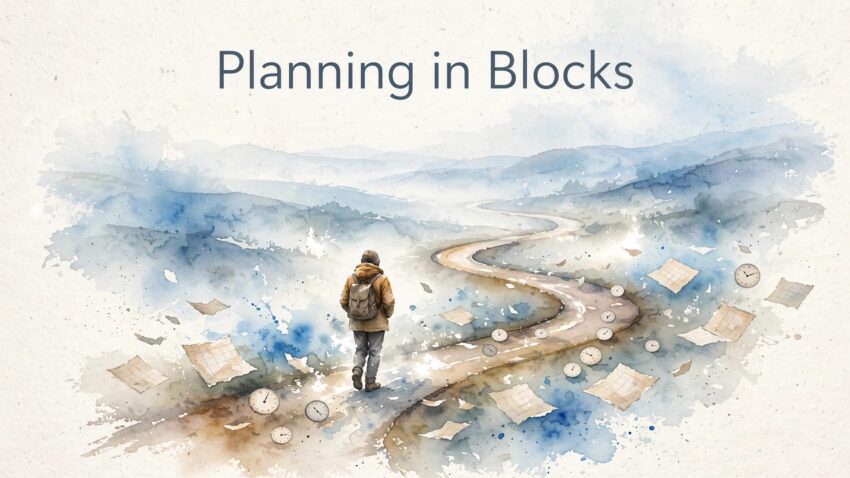
When I think about the time before my diagnosis, I see a road. I could choose a destination, choose a speed, and trust that the miles would get me there. Today, time is a landscape, and I walk it in short stretches. My days are full of appointments. A weekly blood draw. A waiting room with tired chairs and a TV turned down low. The next 90 days will be easy or difficult, depending on the number displayed on a screen. I used to think about my future in decades. Since my diagnosis, I’ve been planning in blocks of time. Each block has its own weather.
Some people ask me how long I have. Sometimes they ask out of kindness. Often, they don’t think about how their words may affect me. No one can tell me exactly how many years I have left. The medical professionals who treat me talk about my condition in terms of ranges and averages. They use careful language that honors reality without taking away all hope. I appreciate that. For a while after my diagnosis, I thought someone would eventually come along and tell me exactly how much time I had left. In reality, no one tells you how much time you get after a diagnosis. A diagnosis gives you a question to carry with you. So I decided to stop trying to answer that question and start asking a new one.
At first, my worries came from fear. In the first months after my diagnosis, I considered every decision in relation to the end. Almost every plan had a dark side. Should I spend money on the nice suit? Should I buy tickets for that vacation? Will the new project I want to pursue last longer than I do? These questions didn’t come from wisdom. They came from fear. Fear sat across the kitchen table from Hope. Neither was going anywhere.
Another lesson came with time. I couldn’t outrun my disease or negotiate with it, but I could choose how I lived alongside it. I could live with it, not in denial of it.
From the outside, living with my disease may look like doing very little. A slow walk. A phone call I actually make. Eating a full meal. Thanking the nurses, my family, and even the strangers who write to tell me they’re still swimming in the ocean. Those letters help. To be honest, I need them as much as they need me.
One of the biggest lessons I’ve learned comes while I wait for test results. Every 90 days, I get results, and for several days beforehand, my mind rehearses the worst thing that could happen. I’m beginning to understand that this is a rehearsal, not a prediction. Then I do something ordinary. Wash the dishes. Reply to an email. Sit on the porch until my breathing slows. When I don’t know what the test results will bring, I stick to my routine.
There are hard realities, too, and they have a place. Sometimes the fatigue is too much, and I fall into exhaustion. Sometimes I’m angry, and I believe I have good reason to be. Sometimes I mourn the man who had never heard that word spoken about his body. I grieve for him. Those are dark days and lost opportunities. But they are still days. They matter, and they are more days.
Thirty years seems like a long time, and it is. Thirty years would give me time to plan, dream out loud, and buy the nice suit. Seven more years is something else. Seven more years gives me the chance to say what matters most while I still have breath, instead of putting it off until tomorrow. Both possibilities ask me to love more intensely and waste less time. So I hold them both in the same hand and don’t let either one go today.
Time has taken a new form. It is no longer a straight highway stretching out in front of me. Now it’s in my hands, big and warm, one day at a time. Before my diagnosis, I didn’t measure time. Today, I do, and I choose how to use it.
My life has changed, but I am still here. Still deciding. Still writing.
