

The car keys are on the counter. Your appointment is on the calendar. Can you drive yourself home afterward? Driving during cancer treatment depends on more than whether you feel well enough to get there.
Treatment, medicines, and symptoms can change how safely you drive, sometimes after an appointment has ended. The kindest plan gives you a way home even if the day goes differently than you expect. Start with the questions that matter before you leave the house.
Can you drive during cancer treatment?
Some people can drive to many appointments during cancer treatment. Others need a ride for a particular treatment, a stretch of difficult days, or longer. Whether you’re having chemotherapy treatment or radiation therapy, your diagnosis alone rarely tells the whole story. Alertness, balance, vision, strength, medicines, and your clinician’s advice all matter.
Ask what you’ll receive that day
Before your first infusion, ask your healthcare team: “What will I receive as part of my chemotherapy treatment, and could it make driving home unsafe?” Ask again when your treatment plan changes.
Diphenhydramine, often known by the brand name Benadryl, can cause drowsiness. Clinics may give it before certain infusions. Medicines for nausea, pain, or anxiety can also affect alertness, and sedation for a procedure calls for its own ride-home instructions. Check how it affects you before driving, since you may not know how a new medicine affects you until you take it.
If your team tells you to bring a driver, arrange one. Feeling awake when you arrive doesn’t tell you how you’ll feel when you leave.
Watch the days after treatment, too
Fatigue doesn’t follow one timetable. You might feel tired on treatment day or find that the harder days come later. The National Cancer Institute notes that cancer-related fatigue varies between people and across treatment cycles.
Ask when side effects may be strongest for your regimen. Pain, blurred or changing vision, and concentration problems can affect driving. Nausea and vomiting, dizziness, poor sleep, or numbness and tingling in your feet can, too. Effects vary, so this general information can’t determine whether you’re safe to drive. Ask your team and track what happens after each session.
Being able to make the outward trip doesn’t guarantee you’ll be able to drive home.
How your diagnosis changes the driving question
Different conditions raise different concerns. Brain tumours or seizures can affect driving even when you feel steady at the wheel. A medical condition or its treatment may affect alertness, movement, vision, or concentration. Surgery, radiation therapy, and medicines may create temporary restrictions or new symptoms. People in remission may still need to account for lasting fatigue or nerve problems.
| Situation | What to consider before driving |
|---|---|
| Brain tumour or seizure | Check how your diagnosis affects your driving licence and when you must stop driving. |
| Surgery or a sedated procedure | Follow your team’s instructions about going home and resuming driving. |
| Chemotherapy or radiation therapy | Review medicines, fatigue, balance, and treatment-specific restrictions. |
| Remission or follow-up care | Reassess any lasting symptoms or medicines that affect driving. |
These aren’t interchangeable rules. For example, UK restrictions for brain tumours can depend on the tumour and its treatment. Cancer Research UK’s brain tumour driving guidance explains why seizures and treatment details need individual review.
Tell your team about other conditions that affect movement or attention, including Parkinson’s disease. The useful question is: “What about my health or treatment could make my driving unsafe?”
When must you tell the DVLA?
If you drive in Great Britain, cancer doesn’t automatically mean you must give up your driving licence. Whether you need to report depends on your medical condition and its effects, and some diagnoses or symptoms mean you must tell the DVLA. In Northern Ireland, contact the Driver & Vehicle Agency (DVA).
Check the rule for your condition
The UK government’s cancer and driving guidance explains when to notify the DVLA. Brain tumours, seizures, cancer-related problems affecting the brain or nervous system, and treatment effects that impair driving all deserve prompt attention. Rules for some brain tumours and their treatments are stricter, so ask the DVLA how they apply to your circumstances.
If you have a seizure, stop driving and ask your healthcare team whether to notify the DVLA. The government’s neurological fitness-to-drive guidance sets out condition-specific rules. Don’t apply a restriction you see there to every chemotherapy patient; ask which rule fits your diagnosis and treatment.
Follow medical advice while you wait
If your doctor advises you not to drive, leave the car at home. Ask whether the advice covers one day, a treatment period, or longer, and what must happen before you drive again. Check whether your driving licence needs to be surrendered, and ask your insurance company what to do while you follow medical advice. Keep a written note of the advice and any licensing instructions.
Failing to tell the DVLA about a condition that affects your driving can lead to a fine of up to £1,000. An accident can bring more serious consequences. When you’re unsure whether you need to report something, ask your team and the licensing agency rather than guessing.
What happens to your car insurance?
A cancer diagnosis doesn’t automatically cancel your car insurance or raise your premium. Check your policy and tell your insurer about a medical change when your terms require it. If a clinician tells you not to drive, contact your insurance company before driving again.
Cancer Research UK’s car insurance advice recommends telling your insurer when cancer affects your ability to drive. Failing to disclose a relevant change could cause problems if you later make a claim.
Ask your insurance company what information it needs and whether your cover changes. Ask your insurance company to explain any premium change and whether it needs confirmation when you resume driving. Record the date, the name of the person you spoke with, and the answer. If your premium changes, ask for the reason in writing. You deserve a clear explanation, not a guess about what your diagnosis means.
Outside the UK, licensing and insurance rules vary. Check with your local licensing authority and insurer, and follow your clinician’s advice about safety.
Make a plan before treatment day
A ride plan is easier to build before you’re sitting under bright clinic lights, tired and waiting to go home. Even if you expect to drive on treatment days, arrange a backup for the first infusion or any appointment involving new medicines.

Ask for clear instructions, not a general yes
Tell your team how far you travel and whether you usually go alone. Ask what you expect to receive, how long the visit may last, and which symptoms, including nausea and vomiting, mean you shouldn’t drive. If your appointment changes or you receive an unexpected medicine, check again before leaving.
You can keep a brief record of medicines, symptoms, and the days you need help. The same record can guide conversations about managing treatment side effects.
Know what you’ll do if you feel unwell
If fatigue, pain, dizziness, drowsiness, vision changes, confusion, or difficulty concentrating makes driving unsafe, don’t set off. Tell the clinic staff and ask them to help contact your driver or arrange a safe way home. This is general safety guidance, not individualized medical advice.
If symptoms begin while you’re driving, pull over somewhere safe and stop. Call for help. Sudden confusion, fainting, severe trouble breathing, or chest pain needs urgent medical attention.
For people who live alone, a named driver, a backup person, and a way to contact the clinic can ease a hard day. These chemotherapy planning steps for people living alone can help you prepare for the hours after you get home, too.
Find a ride when driving isn’t safe
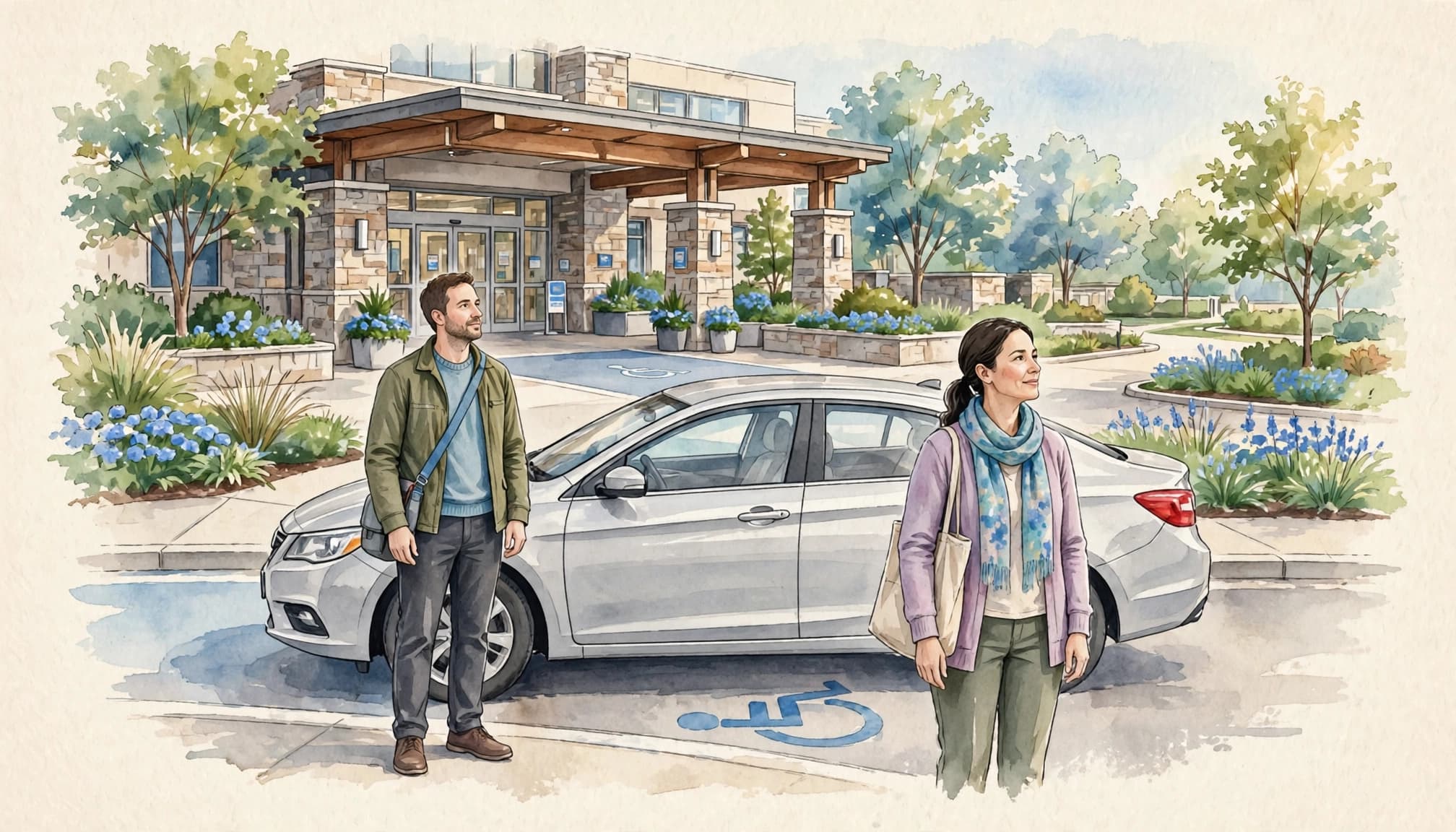
What if the treatment center is an hour away and the person who usually helps you has to work? Tell your clinic early. Transportation is part of keeping appointments possible, especially when repeated trips stretch your energy and your budget.
Start with your care team and your circle
Ask an oncology social worker or patient navigator about hospital transport, local volunteer drivers, travel assistance, and help with parking costs. Be direct: “I need a ride to treatment next week.” Give them your appointment dates, travel time, ZIP code or postcode, and any mobility needs.
Family and friends may want to help but need a request they can answer. Ask one person to take you in and another to bring you home. For a long journey, ask whether lodging near the center makes more sense than repeated travel. Accepting practical support during treatment can make room for your loved ones to help without asking one person to carry every trip.
Check programs and parking help
In the United States, the American Cancer Society’s Road To Recovery program offers free rides to and from cancer treatment. Volunteer availability varies, so contact the program early and confirm whether it can cover your appointment.
In the UK, ask your hospital about patient transport and travel-cost support. If walking to the entrance has become difficult, check whether a blue badge could help. Cancer alone doesn’t guarantee eligibility; whether you qualify for a blue badge depends on how your condition affects you and the rules where you live. A closer parking space may help on a day when someone else drives, too.
Key takeaways before you pick up the keys
- Ask your treatment team about driving before any new infusion, medicine, or procedure.
- Make a ride-home plan even when you expect to feel well.
- Follow your doctor’s advice and check licensing rules for your condition, especially after a seizure or brain tumour diagnosis.
- Tell your insurer about changes that affect driving when your policy requires it, and keep a record of the conversation.
- If transport threatens an appointment, tell your clinic early and ask for a social worker or patient navigator.
Frequently asked questions
Can I drive myself home after chemotherapy?
Possibly, but don’t decide based on how you felt after a different appointment. Ask what medicines you’ll receive that day and whether your team wants someone to take you home. New premedication, a long infusion, or treatment-day symptoms such as nausea and vomiting can change the answer.
How many days after chemotherapy does fatigue start?
There isn’t one reliable timeline for everyone. You may feel tired on treatment day or in the days that follow, and your pattern may change between cycles. Tell your team when it starts and how it affects you. That information helps you plan future appointments and rides.
Does Benadryl make driving unsafe after an infusion?
Benadryl (diphenhydramine) can make you drowsy and slow your reactions. If your clinic gives you Benadryl, follow its specific ride-home instructions and ask when you may drive again. Arrange a ride if your team advises one. Don’t rely on a fixed number of hours you heard from someone else’s treatment.
What if my doctor tells me to stop driving?
Stop driving and ask what needs to happen before you resume. Check whether you must notify your licensing authority and insurer. Then ask your clinic about rides for upcoming appointments. A restriction can feel like one more loss of independence, but you don’t have to solve the journey alone.
The safest way home
Those keys on the counter can wait while you ask one more question. A safe ride home depends on the day you’re having, the treatment you receive, and the rules that apply to you.
Make the plan before you need it. Asking someone to drive can be an ordinary act of courage, and it leaves you free to focus on getting home safely.

1 thought on “Driving During Cancer Treatment: Questions to Ask Before You Go”