

Yes, many people with an autoimmune disease can receive immunotherapy, including some who need it for cancer. Your doctors must weigh the treatment’s purpose, your autoimmune disease activity, and the risk of a flare.
When you already face a life-threatening disease, another medical concern can make each decision feel heavier. You deserve a shared treatment plan that considers both conditions, along with your comfort and daily life.
The first step is understanding what your doctors mean when they say “immunotherapy.”
Key Takeaways
- An autoimmune diagnosis doesn’t automatically rule out cancer immunotherapy, but it calls for an individual assessment.
- Treatments for autoimmune disease usually restrain harmful immune activity, while cancer treatments often strengthen the immune attack.
- Established medicines can control many autoimmune conditions; experimental cell therapies offer hope without a promise of cure.
When Cancer Treatment Meets Autoimmune Disease
The word immunotherapy describes treatments with different purposes. That distinction matters when your immune system already attacks healthy tissue.
An autoimmune diagnosis doesn’t automatically close the door
Cancer drugs such as pembrolizumab (Keytruda) and nivolumab (Opdivo) are immune checkpoint inhibitors.
They remove some of the immune system’s natural brakes. This helps T cells recognize and attack cancer, but can also trigger inflammation in healthy organs or worsen an existing autoimmune condition.
Bispecific antibodies work differently. They bind two targets and can bring an immune cell close to a cancer cell. If you have an autoimmune condition, a specialist should assess their risks separately.
Some people with well-controlled autoimmune disease receive these drugs with close supervision. Severe or active disease, especially disease that threatens an organ, can make treatment riskier. Your cancer type and other treatment options also matter.
Our explanation of how cancer immunotherapy works describes the differences between checkpoint inhibitors and other immune-based treatments.
Your specialists need to work together
Your oncologist and autoimmune specialist should review your symptoms, previous flares, affected organs, and medicines. Depending on your condition, that specialist might be a rheumatologist, neurologist, or gastroenterologist.
The conversation should include what a flare could mean for you. Would joint pain limit movement? Could bowel inflammation cause dehydration? Does your condition threaten your lungs or nervous system?
These questions bring the decision closer to your daily life. You shouldn’t have to choose alone between controlling cancer and protecting the parts of your health that help you live each day.
How Immunotherapy Treats Autoimmune Disease
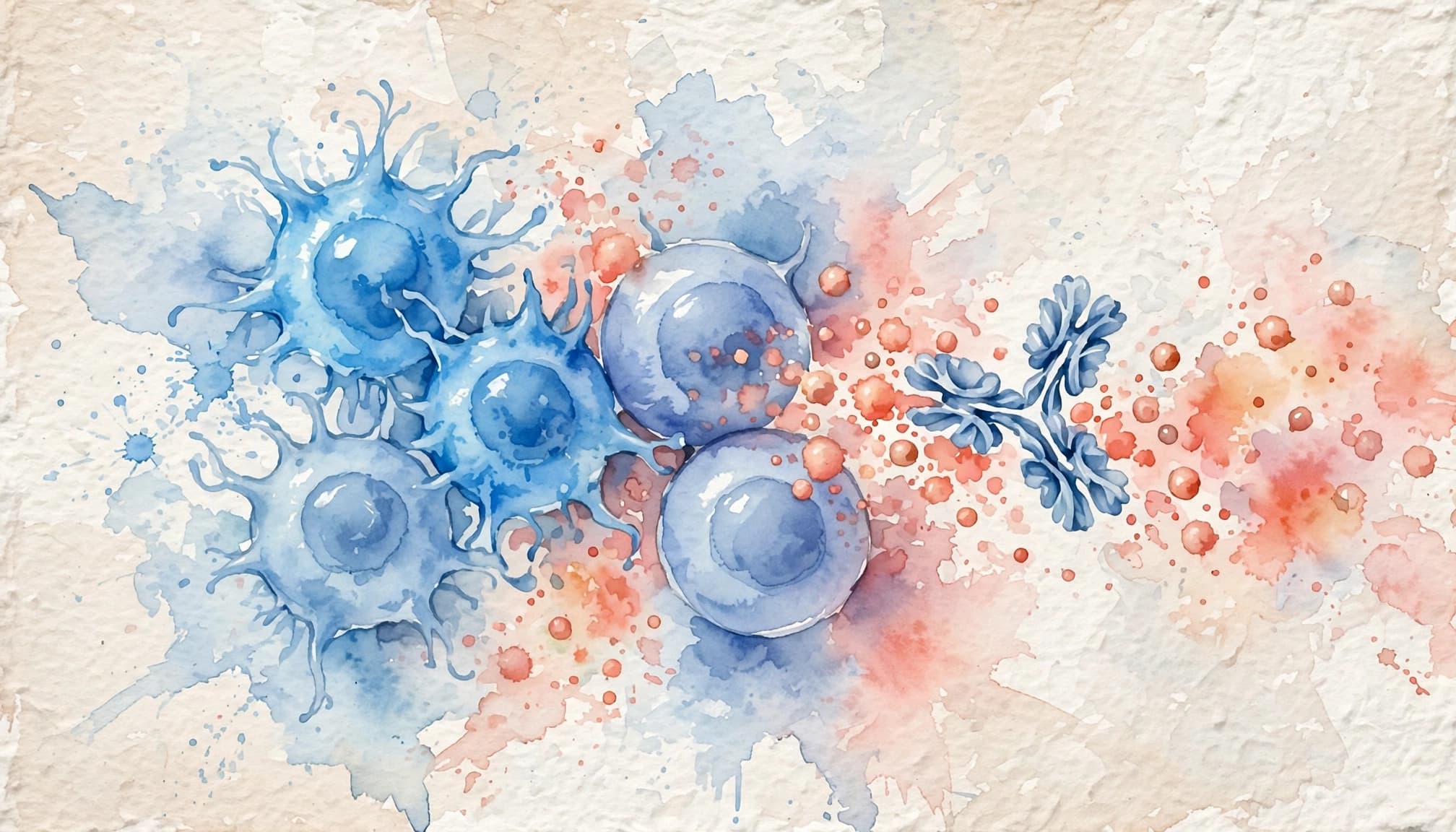
For autoimmune disease, treatment usually aims to reduce a mistaken immune attack rather than strengthen it.
Targeting one pathway instead of suppressing broadly
Conventional medicines such as corticosteroids and methotrexate reduce immune activity across several pathways. This broad reduction, called immunosuppression, can control inflammation but also increase infection risk.
Targeted treatments block particular inflammatory signals, such as IL-17, or reduce selected immune cells. Monoclonal antibodies are laboratory-made proteins that attach to a chosen target.
A more focused treatment still carries risks. Blocking one immune pathway can weaken an important defense against infection. Doctors choose these medicines according to the disease, its severity, and the person’s medical history.
Reading treatment results with care
What does a claim that a medicine “works” actually mean? It might describe less pain, fewer relapses, improved blood tests, or slower damage.
The ADACTA rheumatoid arthritis trial found that tocilizumab alone reduced disease activity more than adalimumab alone over 24 weeks. Participants couldn’t tolerate methotrexate or couldn’t appropriately continue it.
That result doesn’t establish that tocilizumab is better for every person with rheumatoid arthritis. It answers a narrower question about a particular treatment setting. Comparisons across different diseases or different measures of success can mislead.
Which Medicines Treat Autoimmune Conditions?
Several established medicines target different parts of the immune response.
| Treatment approach | Medicine example | Conditions it treats |
|---|---|---|
| Block TNF-alpha, an inflammatory signal | Adalimumab (Humira) | Adult rheumatoid arthritis, psoriatic arthritis, ankylosing spondylitis, plaque psoriasis, and childhood juvenile idiopathic arthritis |
| Block the IL-6 inflammatory signal | Tocilizumab (Actemra) | Rheumatoid arthritis and certain other inflammatory conditions |
| Block type I interferon signaling | Anifrolumab (Saphnelo) | Moderate-to-severe systemic lupus erythematosus in adults receiving standard treatment |
| Reduce selected B cells | Ocrelizumab (Ocrevus) | Relapsing forms and primary progressive multiple sclerosis |
These medicines aren’t interchangeable. A treatment that helps one condition may offer little benefit for another. Pemphigus vulgaris needs its own treatment approach.
Infliximab became the first approved TNF inhibitor in 1998. Etanercept also gained FDA approval in 1998. These treatments helped establish targeted immune therapy for inflammatory diseases.
Anifrolumab gained FDA approval in 2021. It attaches to IFNAR1, part of a receptor that receives type I interferon signals. These signals help coordinate immune defenses, but excessive activity can contribute to lupus. Anifrolumab blocks signaling through that receptor.
Biologics are medicines made using living cells that can target specific immune signals. Other treatment families include medicines that block IL-17 or IL-23, two inflammatory signals, and JAK inhibitors, which interrupt signals inside cells. The disease itself guides the choice. A long list of available drugs doesn’t mean every drug suits your condition.
What Teplizumab Can Do for Type 1 Diabetes
Type 1 diabetes develops when the immune system attacks the pancreatic cells that make insulin. Teplizumab (Tzield) acts on T cells, immune cells that help direct this attack.
In 2022, the FDA approved teplizumab to delay progression to stage 3 type 1 diabetes in adults and children aged eight and older with stage 2 disease. Stage 2 involves an autoimmune attack and abnormal blood sugar before the usual symptoms develop.
The original FDA Tzield prescribing information specifies daily intravenous infusions for 14 consecutive days. A later indication for certain children with newly diagnosed stage 3 disease uses a different, 12-day schedule.
The treatment goal matters: delaying progression doesn’t mean curing diabetes or replacing insulin when someone needs it.
What CAR T-Cell Research Means for Autoimmune Disease
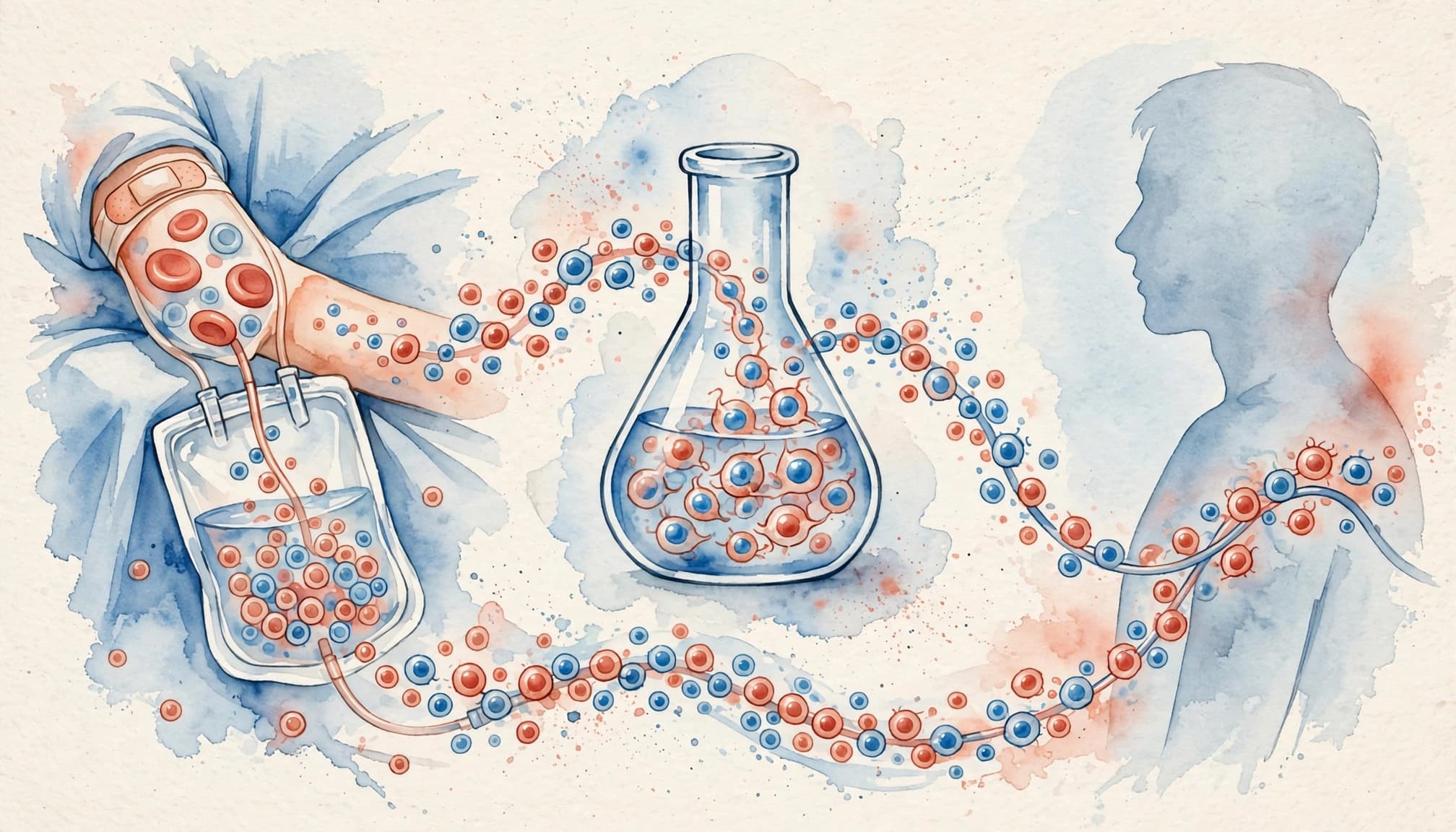
Some treatments that began in cancer care now inform research into severe autoimmune disease. The early findings deserve attention, along with an honest account of their limits.
Early lupus results offer hope
CAR T-cell therapy changes a person’s T cells so they recognize a chosen target. In autoimmune research, some approaches target B cells, which can produce antibodies that attack the body’s tissues.
A five-patient lupus study reported drug-free remission after CD19-directed CAR T treatment. All five participants had severe lupus that had resisted previous treatment.
Their complement levels, blood proteins that doctors monitor in lupus, returned to normal. Disease-associated anti-dsDNA antibodies decreased markedly or disappeared.
Five people cannot establish how well a treatment will work across a larger population. The findings support further study, rather than a promise of lasting recovery for everyone.
Experimental approaches differ from established treatment
Standard B-cell treatments use B cell depletion, which means medicines reduce selected B cells, often through repeat dosing. CAR T research explores whether a different approach can produce longer periods without ongoing medication. Researchers also want to restore immune tolerance, the immune system’s ability to avoid attacking the body’s own tissues. Larger clinical trials and longer follow-up are still needed.
Another experimental approach, CAAR T therapy, seeks a more selective target. Cabaletta Bio’s DSG3-CAART program has studied a rare autoimmune blistering disease in an early clinical trial.
That approach uses desmoglein 3, a protein involved in pemphigus vulgaris, to identify B cells with matching self-reactive antibodies. It remains investigational.
Side Effects Deserve a Clear Plan
For established autoimmune treatments, possible side effects include infections, injection-site reactions, infusion reactions, and changes in blood counts or liver tests. The medicine determines which risks matter most.
Before treatment, your team may screen for tuberculosis or hepatitis and review vaccinations. Regular blood tests help doctors recognize problems before symptoms become severe.
Experimental CAR T-cell treatment can cause cytokine release syndrome, a potentially serious, body-wide inflammatory reaction. Ask your treating team which symptoms need urgent attention.
Cancer checkpoint inhibitors require a different watchfulness. New diarrhea, cough, breathlessness, severe fatigue, or joint swelling can signal treatment-related inflammation. Report new symptoms promptly. Seek urgent care for severe breathing difficulty, chest pain, confusion, or rapidly worsening illness.
Cancer remission and persistent joint inflammation can exist together. Joint symptoms alone don’t show that cancer has returned.
Don’t start steroids, change doses, or stop immunotherapy yourself. Your clinicians need to balance symptom relief, infection risk, and cancer control.
Our guidance on managing cancer treatment side effects also addresses the physical and emotional support that treatment can require.
Questions to Bring to Your Next Appointment
A treatment discussion can hold more information than anyone can comfortably remember. Bring a written medication list and ask someone you trust to listen with you, if that would help.
Ask your team which condition the proposed treatment targets and what improvement they expect. Will they measure fewer symptoms, better organ function, fewer relapses, or cancer response?
Then ask what would prompt them to pause treatment, whom you should contact after hours, and how they will coordinate care. Include practical concerns such as travel, infusion appointments, insurance coverage, and help at home.
These questions belong in the conversation. Understanding the plan can make the next step feel less uncertain.
Frequently Asked Questions
Can autoimmune diseases be cured?
Most autoimmune diseases have no established cure. Treatment can control symptoms, protect organs, and sometimes produce remission, when disease activity becomes low or absent.
Remission can last with or without ongoing medicine. It doesn’t guarantee that the disease will never return. Early CAR T results don’t yet establish a cure.
How many years do you stay on immunotherapy?
There is no single treatment length. Rheumatoid arthritis, psoriasis, lupus, and multiple sclerosis often require treatment for years. Doctors adjust the schedule according to disease control and side effects.
Some treatments use a defined course, such as the original 14-day teplizumab regimen. Cancer immunotherapy schedules depend on the cancer, treatment goal, response, and side effects.
What are some rare autoimmune diseases?
Examples include pemphigus vulgaris, which causes blisters, and myasthenia gravis, which interferes with communication between nerves and muscles.
Anti-glomerular basement membrane disease is another example. It can damage the kidneys and lungs. These conditions affect different tissues, so their treatments and outlooks differ.
Moving Forward With a Shared Plan
An autoimmune diagnosis doesn’t automatically remove immunotherapy as an option. The safest decision starts with the treatment’s purpose and an honest discussion of your individual risks.
We want you to have room for informed hope and for questions that don’t yet have easy answers. Ask your specialists to build one plan together. You deserve care that considers both your diseases and the life you want to keep living.
