

Childhood cancer late effects are health problems that appear months or years after treatment ends. They can affect the body, learning, or emotional health, so survivors need lifelong follow-up that reflects their treatment history.
Remission can bring relief while questions about the future remain. You deserve an individual care plan based on your treatment history. It can help you monitor possible late effects without asking you to live in fear.
That care begins with knowing what to watch for and who will help.
Key Takeaways
- Your treatment history, including medicines, doses, radiation areas, and surgery, shapes your long-term risks.
- Yearly survivorship visits help your team monitor possible problems before symptoms appear.
- Heart health, hormones, hearing, learning, fertility, and emotional well-being all deserve attention, but every survivor needs a different screening plan.
How Common Are Childhood Cancer Late Effects?
More than 80% of children with cancer who have access to contemporary therapies can expect to survive into adulthood. That survival rate reflects hopeful progress and makes care for the years ahead an ongoing responsibility.

What the numbers tell us
The National Cancer Institute’s late-effects summary reports that 60% to more than 90% of survivors develop at least one chronic health condition. Across studies, 20% to 80% experience severe or life-threatening complications in adulthood.
In the SJLIFE cohort, survivors averaged 17.1 chronic conditions by age 50, including 4.7 severe, disabling, life-threatening, or fatal conditions. Community participants averaged 9.2 and 2.3, respectively.
The Childhood Cancer Survivor Study found that 53.6% of survivors developed a condition in those serious categories by age 50, compared with 19.8% of siblings.
Mortality is a different outcome from the prevalence of chronic conditions, and long-term studies also examine late mortality.
What those numbers mean for you
These studies describe groups, often including people who received older treatments. The cumulative burden shows how health conditions can build up over time, not what will happen to one person.
Your risks depend on your age during treatment, drug doses, radiation exposure, inherited risks, and current health. A chronic condition may mean something manageable, such as thyroid disease, as well as something more serious. Follow-up helps your team recognize both.
Heart and Lung Health
Some treatments leave changes that cause few symptoms at first. Regular monitoring can detect these changes, even when you feel well.
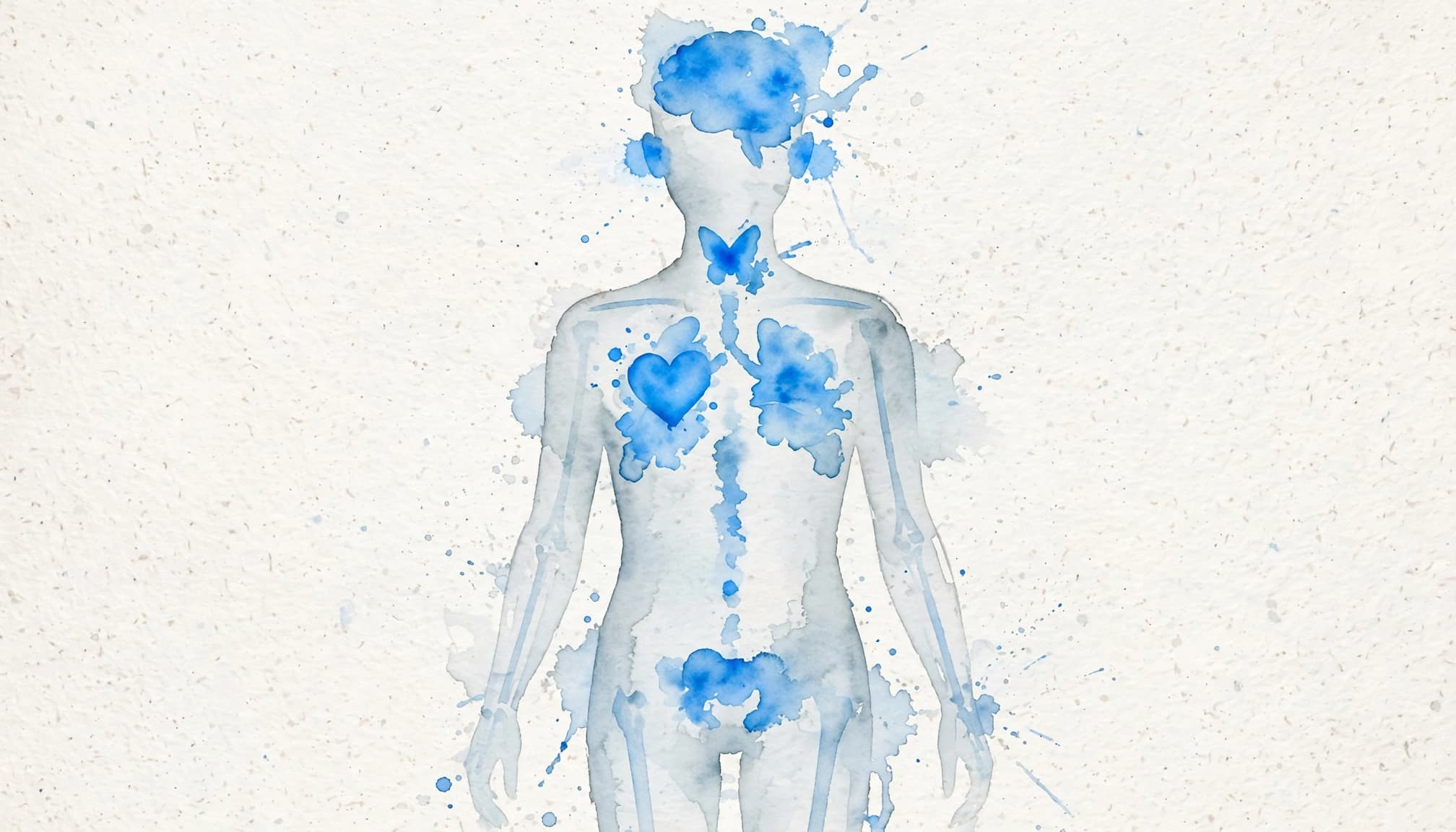
Heart muscle and rhythm
Anthracycline chemotherapy, including doxorubicin and daunorubicin, and chest radiation can damage the heart. Possible effects include weakened heart muscle, called cardiomyopathy, heart failure, and abnormal rhythms. These problems can contribute to cardiovascular disease over time.
Higher cumulative anthracycline doses generally increase risk. Radiation exposure to the heart can add to that risk.
Your team may recommend an echocardiogram, an ultrasound of the heart, even when you feel well. The right tests depend on your treatment exposures, doses, age at treatment, and current guidance. Blood pressure, cholesterol, diabetes, and tobacco use also deserve attention. Heart disease ranks among survivors’ most common serious health problems.
Breathing and lung changes
Chest radiation can cause lung inflammation, called radiation pneumonitis, or scarring, called pulmonary fibrosis. Some survivors develop chronic obstructive pulmonary disease, or COPD.
Combined treatments, transplant-related graft-versus-host disease, previous asthma, and smoking can increase risk.
Report a persistent cough, breathlessness, or reduced exercise tolerance. Your clinician may use breathing tests to assess lung function. Avoiding smoking and vaping protects lungs that treatment may already have affected.
Hearing, Memory, and Learning
A child may return to school before anyone recognizes a hearing or learning difficulty. Sometimes greater demands in college or work reveal a problem years later.
Hearing deserves its own assessment
About 10% of childhood cancer survivors experience hearing loss. Platinum chemotherapy, including cisplatin, head radiation, and ear or brain surgery can contribute.
For children with these treatment histories, hearing tests can detect changes that ordinary conversation misses. Report ringing in the ears or difficulty following speech in noisy rooms.
In September 2022, the FDA approved sodium thiosulfate, sold as PEDMARK, to reduce cisplatin-related hearing damage in eligible children with localized, non-metastatic solid tumors. It reduces risk during treatment; it doesn’t restore hearing afterward.
Attention and memory can change
About one-third of survivors experience neurocognitive deficits, or difficulties with attention, memory, planning, or organizing tasks. Brain tumor survivors face higher risks.
These difficulties don’t reflect a lack of effort. Brain-directed radiation, surgery, certain chemotherapy treatments, fatigue, and emotional distress can all affect learning.
A formal assessment of thinking and learning can identify support needs. School accommodations, rehabilitation, and workplace adjustments can help survivors participate more fully.
Growth, Thyroid Health, and Fertility
Treatment can cause endocrine dysfunction that affects growth, energy, puberty, and reproductive health. These effects can shape ordinary moments, from keeping up with friends to concentrating at work or imagining a family.
Growth and thyroid monitoring
Children treated before reaching adult height, especially with head or brain radiation, face a higher risk of growth hormone deficiency. Doctors can treat this condition.
Follow-up should track height, growth rate, puberty, and symptoms such as unusual fatigue.
Thyroid problems occur more often after treatment for acute lymphoblastic leukemia, brain tumors, head and neck cancers, Hodgkin lymphoma, neuroblastoma, or stem cell transplantation. The actual treatment exposure, rather than the diagnosis alone, guides monitoring.
Your clinician may recommend thyroid blood tests and a neck examination.
Fertility and future choices
Alkylating chemotherapy, including cyclophosphamide, can harm eggs or sperm-producing cells. Pelvic or abdominal radiation can also affect fertility if it reaches reproductive organs.
Discuss fertility preservation, such as sperm banking or egg freezing, before treatment when possible. Options depend on the person and treatment circumstances. For survivors who have completed treatment, reproductive specialists can assess current options.
Regular periods don’t guarantee fertility, and treatment-related fertility concerns don’t always mean permanent infertility. Ask about hormone function, pregnancy planning, contraception, and whether heart monitoring needs to change before pregnancy.
Second Cancers, Bone Health, and Dental Care
Follow-up also looks beyond the organs most often associated with cancer treatment. Your care plan should account for treated tissues and any inherited cancer risk.
Second cancers need targeted screening
Radiation and some chemotherapy drugs can raise the risk of second cancers, which are new primary cancers rather than a recurrence. Depending on treatment exposure and inherited risk, survivors may need earlier breast screening or closer skin and thyroid assessment.
Routine whole-body scans aren’t recommended for everyone. Your history should guide testing.
Across survivor studies, recurrence or cancer that resists treatment remains the most frequent cause of death. New primary cancers and treatment-related heart or lung damage also contribute.
Bones and teeth need attention
Steroids, hormone deficiencies, radiation, and reduced activity can affect bone strength and musculoskeletal health. Persistent pain, fractures, or joint problems deserve assessment; a clinician may recommend bone-density testing for some survivors.
Treatment during tooth development can affect enamel, roots, or jaw growth. Radiation may also cause dry mouth and increase dental problems. Regular dental care belongs in the survivorship plan, alongside nutrition and suitable physical activity.
Emotional Health Deserves Follow-Up Too
What happens when everyone expects celebration, yet you still feel afraid?
After a life-threatening disease, anxiety, depression, fear of recurrence, and low self-esteem can continue into adulthood. Some survivors develop post-traumatic stress disorder after serious illness and treatment. Missed school, social isolation, body changes, and difficulties with work can add to that burden.
There is courage in telling someone that you aren’t sleeping. There is courage in asking for help when appointments bring old fears back.
Our reflections on emotional well-being after cancer treatment recognize these mixed feelings. Counseling, survivor groups, and mental health treatment can offer practical support.
Tell your care team when distress disrupts daily life. You don’t need to wait for it to become overwhelming.
Build a Lifelong Monitoring Plan
Plan at least one visit each year with a late-effects specialist, alongside regular primary care. The Children’s Oncology Group survivorship guidance supports follow-up based on treatment exposure. A survivorship clinic may help you review your treatment summary and follow-up plan.
Match monitoring to your treatment
Your care team should use your treatment history to create a written follow-up schedule for potential late effects.
| Treatment or concern | Monitoring your team may recommend |
|---|---|
| Anthracyclines or radiation involving the heart | Heart ultrasound and cardiovascular risk assessment |
| Platinum chemotherapy or head radiation | Formal hearing tests |
| Head, neck, or brain treatment | Growth, puberty, thyroid, and learning assessments |
| Lung-affecting treatment or transplant complications | Symptom review and breathing tests |
| Radiation or inherited cancer risk | Screening tailored to the organs at risk |
The type and timing of tests depend on your cancer, treatments, age at treatment, and time since treatment. Surveillance should follow exposure-based guidance, not a universal schedule. Feeling well doesn’t remove the need for tests recommended for your treatment history.
Carry your history into adult care
Keep a treatment summary that names your diagnosis, chemotherapy drugs and total doses, radiation therapy areas and doses, surgeries, and transplant history.
Review your treatment summary and survivorship care plan with a qualified clinician. With multidisciplinary care, your primary care clinician and specialists can agree on who orders tests, reviews results, manages medicines, and handles new symptoms. Our guidance on coordinating cancer care between doctors explains how shared plans keep responsibilities clear.
For adolescent and young adult survivors, arrange an adult clinician and transfer records before leaving pediatric care. Include mental health, school or work support, and fertility concerns in that handoff.
A treatment summary records what happened. A follow-up plan names what comes next and who takes responsibility.
Frequently Asked Questions
Can childhood cancer survivors live long lives?
Yes. Many survivors live for decades after treatment. No single survival figure predicts an individual’s lifespan.
Diagnosis, treatment exposure, existing conditions, and access to follow-up all matter. Lifelong care helps clinicians find and manage problems; it doesn’t mean that every survivor will develop a serious illness.
Which symptoms need urgent attention?
Seek emergency care for chest pain, severe breathlessness, fainting, or sudden weakness or difficulty speaking.
Contact your care team promptly about a new lump, unexplained bleeding, persistent fever, worsening headaches, or a lasting change in hearing or stamina. Many conditions can cause these symptoms, but your treatment history makes timely assessment important.
Moving Forward With Care
You can welcome remission and still give your future health steady attention. A written plan, regular visits, and honest conversations create a practical foundation for that care.
There is courage in returning for an appointment when you would rather put treatment behind you. Let shared responsibility carry some of the weight, so you have more room for the life you want to live.
