

At 5:40 one morning, I woke before the alarm and lay still, listening to the refrigerator hum. An MRI waited for me that afternoon. Fear had already filled in the result, the next phone call, and every hard thing that might follow.
But hope while facing cancer is not always a bright feeling. Sometimes it is the small decision to get out of bed, pour coffee, and stay with the morning you have. The uncertainty of a cancer diagnosis can make one scan feel like a doorway into every possible future. That uncertainty can affect people at any stage, including those facing advanced cancer. This is not a story about a miracle, an unqualified cure, or a guaranteed outcome. It is about one day when hope made the next few hours livable.
Key Takeaways
- Hope during cancer does not require certainty, constant optimism, or an unqualified cure. It can mean making the next hour more livable while fear is still present.
- Fear can provide information without making every decision. Writing down questions, speaking honestly with a health care team, and asking for emotional support can help keep fear from taking over the day.
- Small actions—eating, resting, taking medicine, accepting a ride, or completing one simple task—can protect daily function and quality of life during treatment or advanced cancer.
- Supportive care, palliative care, counseling, loved ones, and practical help can address emotional and daily needs. Asking for help is not giving up.
- Staying connected to routines, relationships, work, writing, music, and other meaningful parts of life can remind someone with cancer that they are more than a diagnosis.
What Hope During Cancer Did That Morning
The kitchen was gray with early light. My coffee went cold beside me because I kept looking at my phone. Fear wanted me to read every old lab result again. It wanted me to cancel lunch, cancel work, cancel the whole day before the scan had even happened.
Then I noticed the blood count from the week before had not changed. Nothing had improved. Nothing had been solved. Even with advanced cancer, it had not gotten worse.
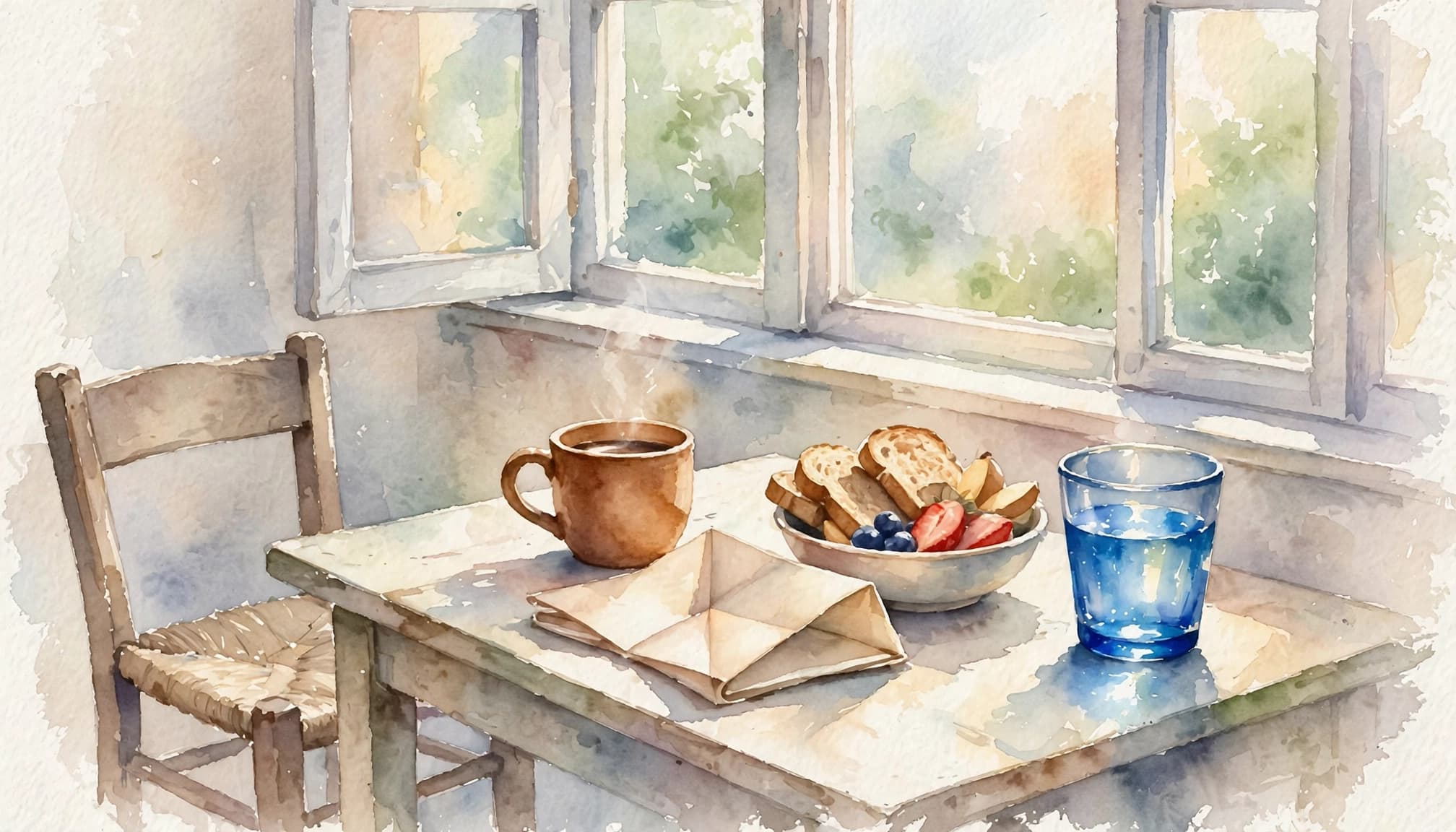
I made breakfast for someone else. I cracked eggs into a pan. I buttered toast. I answered two emails I had avoided. Those short-term goals helped me preserve some daily function during cancer treatment. By the time I left for the appointment, I was still afraid. I also had not handed the entire day over to fear.
What Hope Did, Even Though It Could Not Fix Anything
Hope did not argue with the medical facts. It did not promise an unqualified cure. It did not tell me the MRI would be clear or erase my treatment hopes. Even with advanced cancer, I could bring questions and fears to my health care team.
That is different from certainty. Certainty says, “Everything will be fine.” Hope says, “You can live through this hour.”
That difference mattered when advanced cancer made certainty impossible. For many people, positive thinking becomes isolating when it dismisses fear. There is room for finding hope without denying difficult emotions. A small act of care still matters when the larger situation has not changed.
The Small Signs That Helped Me Stay in the Day
I ate the toast. I washed one dish. I let someone sit with me without asking them to find the right words.
Those things sound ordinary because they are ordinary. That was the point. Even with advanced cancer, ordinary actions can help mark the day without controlling what happens next. Cancer can make every moment feel like evidence. A symptom becomes a warning. A good day becomes something you fear losing. Ordinary life pushes back against that pressure.
Some days, hope looks like writing one sentence. Some days, it looks like taking a nap because your body asks for one. For someone facing advanced cancer, accepting a ride, a meal, or a phone call can be enough for that moment. Rest is not giving up. Letting someone help can be its own form of hope.
Why I Stopped Trying to Make Fear Leave
For a long time, I treated fear like an unwanted guest. I thought I could reason it away, pray it away, distract it away, or shame it into silence.
That only gave me another exhausting job.
Fear can change throughout a cancer journey, from diagnosis through treatment and follow-up. It may also appear when someone is living with advanced cancer. The American Cancer Society explains that cancer-related distress can affect patients, families, and caregivers as diagnosis and treatment change life. Psychological distress can also accompany advanced cancer, without meaning someone lacks a will to live.
The trouble begins when fear turns every possibility into a certainty. Then it takes the whole day before anything has happened.
Fear Can Speak Without Making Every Decision
I can hear fear without obeying every word it says. I can write down questions for my health care team instead of searching for answers late at night. I can ask my medical oncologist or primary care physician to explain a result before deciding what a flagged number means.
I can also say, “I am scared,” to someone I trust. Fear about cancer recurrence may feel urgent, even when no new information has arrived.
The National Cancer Institute notes that anxiety and distress during cancer can appear during illness, treatment, and life after treatment. This can include people living with advanced cancer. It can help to tell your health care team when fear keeps you from sleeping, eating, working, or getting through daily tasks.
A counselor, support groups, chaplain, trusted friend, or oncology social worker may help carry part of the weight. Supportive care can address practical and emotional needs, while palliative care can help with symptoms, stress, and daily living alongside treatment. Neither means giving up or choosing end-of-life care only. Medical goals may include life extension, while emotional work may simply involve reaching the current day. You do not need polished words. “I cannot stop worrying before scans” is enough to begin.
Fear Is Not the Only Voice That Counts
Fear has a loud voice. It speaks fast. It gathers every bad memory and places it in front of you like proof.
Hope speaks differently. It does not deny what fear knows. It waits. Then it says, “Call the nurse.” Or, “Take the next pill.” Or, “Eat something before you leave.” It can hold treatment hopes without offering an unqualified cure, including when advanced cancer makes the future uncertain.
Fear can name the risk. It does not get to write the ending before the doctor calls.
I stopped asking myself whether I could get rid of fear. Waiting for an unqualified cure or complete certainty only gave fear more room to grow. Even with advanced cancer, the better question became, “What can I do while fear is here?” That question left room for choices. It left room for the present.
The Goal Was Never to Empty the Table
Eventually, I understood that I did not need a life without fear. I needed a life where fear did not get every chair at the table.
Fear could sit down. Hope could sit down too. Neither had to pretend the other was absent.
Along my cancer journey, emotions kept changing. This did not make cancer easier. It made my inner life more honest, which supported my quality of life without changing the medical facts. Making room for fear never meant I had lost my will to live. I could feel frightened before an appointment and still call a friend. I could dread a result and still laugh at something ridiculous on television. Both things could be true.
Hope Does Not Need to Win Every Argument
Hope rarely wins by proving fear wrong. It wins by helping me remain present long enough to notice what is still here.
Hope does not promise an unqualified cure, especially with advanced cancer. A warm mug, a familiar voice, the dog asleep in the hallway, or a message that says, “Thinking of you today” can still matter. These are not answers to cancer. They are reminders that cancer does not own every part of the room.
For someone living with advanced cancer, care goals may include symptom relief, palliative care, or life extension. Those goals can differ, and each deserves respectful discussion. The idea of living with cancer and making room for hope feels truer than trying to choose one feeling over the other. I do not have to audition for optimism. I only have to tell the truth about the day.
The Table Leaves Room for Choice
When fear takes over, it narrows everything. It tells you there is only one story, one outcome, one way to feel.
With advanced cancer, uncertainty can make even simple decisions feel enormous. Keeping the table open creates another possibility. I can ask a question of my health care team or bring someone to an appointment. I can postpone reading the patient portal until morning. I can decide that today is not the day for a difficult conversation.
Even with advanced cancer, choice may look small during treatment or recovery. Those choices can become short-term goals, such as taking a shower, drinking water, resting, or turning off the light. Choice still belongs to you.
Setting a Third Place Beside Hope and Fear
Once I stopped trying to evict fear, I noticed another empty chair at the table. It belonged to the things that reminded me I was more than a patient.
Routine took that chair first. Then people. Then work, writing, music, and the parts of life that did not ask me to explain my diagnosis before I entered the room.
These things don’t cure fear, and routine isn’t an unqualified cure. They give the day shape.
These needs can shift throughout my cancer journey, especially during treatment and recovery.
Routine Gives the Day Somewhere to Begin
My routine has become smaller. That is not failure. A smaller routine can still protect energy, connection, and quality of life.
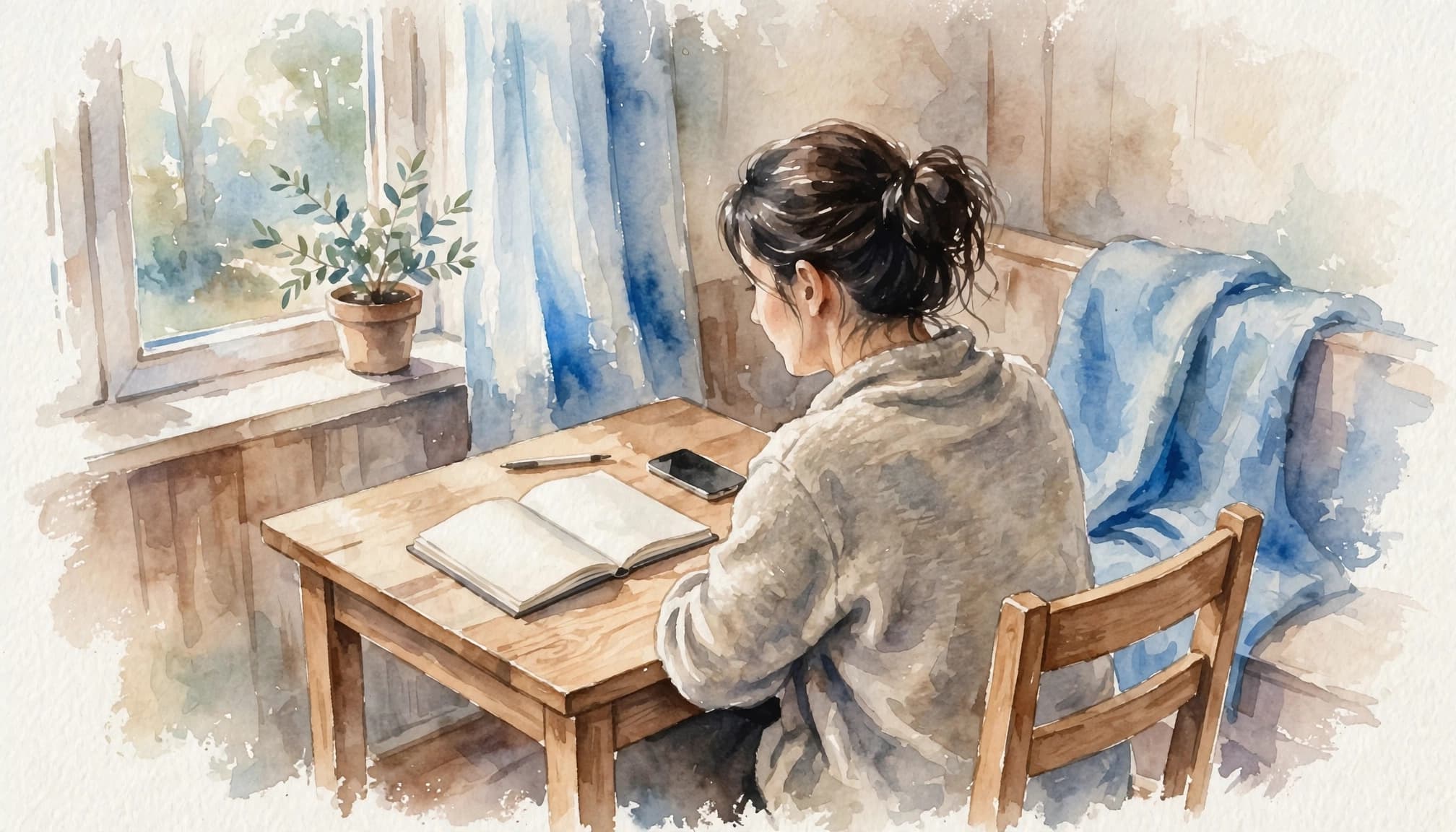
With advanced cancer, energy can change from one morning to the next. On a stronger morning, my routine may include coffee, medicine, a shower, a few pages in a notebook, and a simple meal.
On a hard morning, it may be coffee and medicine. It may be opening the blinds. These can be short-term goals, not rules everyone should follow.
A short walk can help some people feel connected to the world again. For people with advanced cancer, symptoms and treatment schedules may limit activity. Let your health care team, including your primary care physician, guide what feels safe. There is no prize for pushing past what your body can do. A routine should hold you up, not ask you to perform.
People, Work, and Writing Keep Me Connected to Myself
The people who help most do not always offer answers. People with advanced cancer may need help with meals, rides, or phone calls. Sometimes they bring food. Sometimes they drive. Sometimes they sit beside me while I wait for a call.
Meaningful work and writing also remind me that I still have a voice. I can contribute something, even if I need more breaks than I once did. Cancer survivors may still need connection and support after active treatment ends.
I can set limits too. I don’t have to give every person an update. I don’t have to accept every piece of advice.
The American Cancer Society offers therapy, counseling, and support resources for people with cancer and caregivers. Supportive care can help with emotional strain, symptoms, transportation, bills, family concerns, and support groups. An oncology social worker may also help coordinate those needs. For people with advanced cancer, goals may include symptom relief, palliative care, life extension, or a mix of care goals at different points. Asking for help protects energy for what matters.
What Sits Beside Hope and Fear Now
Some days, the third place at the table holds a notebook. Other days, it holds a friend, a meal someone else made, or a task I can finish without draining myself.
I have learned not to measure courage by how much I can carry alone, or by a solitary will to live. The better measure is whether I can tell the truth about what hurts and accept care when it arrives.
Connection Is More Useful Than Perfect Words
A loved one doesn’t need to say, “Everything will be okay.” No one can promise an unqualified cure.
It helps more when someone says, “Do you want me to sit with you while you call?” Or, “What do you need me to write down?” Presence makes fear less lonely, even when advanced cancer makes the future uncertain.
People in treatment, remission, and survivorship often need support at different times. Cancer survivors may need practical help one day and emotional care another. With advanced cancer, support may include symptom relief, palliative care, practical help, or conversations about life extension, based on what matters most to the person. It can protect quality of life while leaving room for personal meaning.
Finding support throughout cancer treatment can include practical help and coordination between a primary care physician and the health care team. It can also address psychological distress after everyone else has gone home.
I Still Belong to My Life
Advanced cancer changed my calendar, my energy, and the way I listen to my body. But it did not erase the person who loves a good breakfast, wants to write, needs quiet, and still notices sunlight on the kitchen table.
That person deserves room too.
Hope is not a demand to become grateful for illness or believe in an unqualified cure. It is permission to remain connected to your own life while advanced cancer is part of it. That connection may come through prayer, humor, a pet, music, work, spirituality and religion, or the hand of someone who stays.
Frequently Asked Questions
What does hope during cancer really mean?
Hope does not promise that everything will be fine or guarantee an unqualified cure. It can simply mean finding enough strength, support, or meaning to live through the next hour or day.
Can I feel afraid and still have hope?
Yes. Fear and hope can exist at the same time, especially before scans, during treatment, or while living with advanced cancer. Hope does not require difficult emotions to disappear.
What can I do when fear takes over?
Try focusing on one small, immediate choice, such as eating something, resting, calling a trusted person, or writing down questions for your health care team. If fear affects sleep, eating, work, or daily tasks, tell a clinician, counselor, oncology social worker, or another trusted member of your support team.
Does asking for palliative care mean I am giving up?
No. Palliative care can help with symptoms, stress, practical concerns, and quality of life alongside cancer treatment. Care goals may include symptom relief, life extension, or both, depending on what matters to you.
How can loved ones support someone with cancer?
Loved ones do not need to find perfect words or promise that everything will be okay. Sitting quietly, offering a ride or meal, helping write down questions, and asking what support is needed can make fear less lonely.
I Keep Showing Up for Breakfast
Hope does not win every morning. Fear still arrives before scans, after new symptoms, and during unanswered questions. For someone living with advanced cancer, some days it pulls up a chair before I do.
But I keep setting the table. I keep making coffee. I keep leaving room for support from my health care team and loved ones, for rest, and for a sentence in a notebook. For cancer survivors, showing up can look different during treatment, recovery, or survivorship. Palliative care and life extension can be possible care goals, not promises. Ordinary moments can still matter with advanced cancer.
An ordinary day is still worth entering. It isn’t a test of my will to live, and it doesn’t offer an unqualified cure. Even with advanced cancer, when fear sits beside you, there can be breakfast waiting.