

A serious diagnosis can divide life into before and after. One phone call, one scan, one unfamiliar word, and suddenly the future may feel like a room with no lights on.
Acceptance of diagnosis doesn’t mean you feel calm, give up, or pretend you aren’t afraid. It means making room for what is true, then taking the next small step you can manage.
You don’t have to solve the rest of your life today. You only have to meet this moment with as much honesty and care as you can.
Acceptance of diagnosis starts with making space for your feelings
Shock may come first. Or anger. Some people feel numb, while others feel every emotion at once. Fear, sadness, guilt, confusion, resentment, and even relief can show up after a life-threatening illness enters your life.
There isn’t a right way to receive hard news. There also isn’t a schedule for acceptance. One day you may feel steady enough to ask questions. The next day, you may cry in the grocery store because you saw your favorite cereal. Both days count.
Try naming what you feel without judging it. “I’m scared.” “I’m tired.” “I don’t know what happens next.” A feeling doesn’t become dangerous because you say its name.
When information becomes too much, step back. Focus on the next appointment, the next phone call, or the next meal. The future can wait for a few hours.
Why acceptance does not mean giving up
Accepting the facts of your illness isn’t the same as surrendering hope. You can accept a diagnosis and still seek treatment. You can ask for a second opinion, research your options, and hope medicine gives you more time or a better outcome.
Hope doesn’t require a promise. Sometimes hope looks like a treatment working. Sometimes it looks like less pain, a peaceful afternoon, or being present for someone you love.
Your attitude does not control whether you recover. Cancer and other serious illnesses don’t respond to positive thinking alone. But honesty can help you spend your energy where it matters.
Acceptance says, “This is happening.” Hope says, “I will still look for what is possible today.”
Small grounding habits for difficult days
On hard days, make your world smaller. Take four slow breaths. Put both feet on the floor. Write down the worry that keeps circling your mind, then set the paper aside.
A short routine can give the day a little shape. Shower if you can. Sit outside for five minutes. Rest without apologizing for it. Call one person who knows how to listen without trying to fix everything.
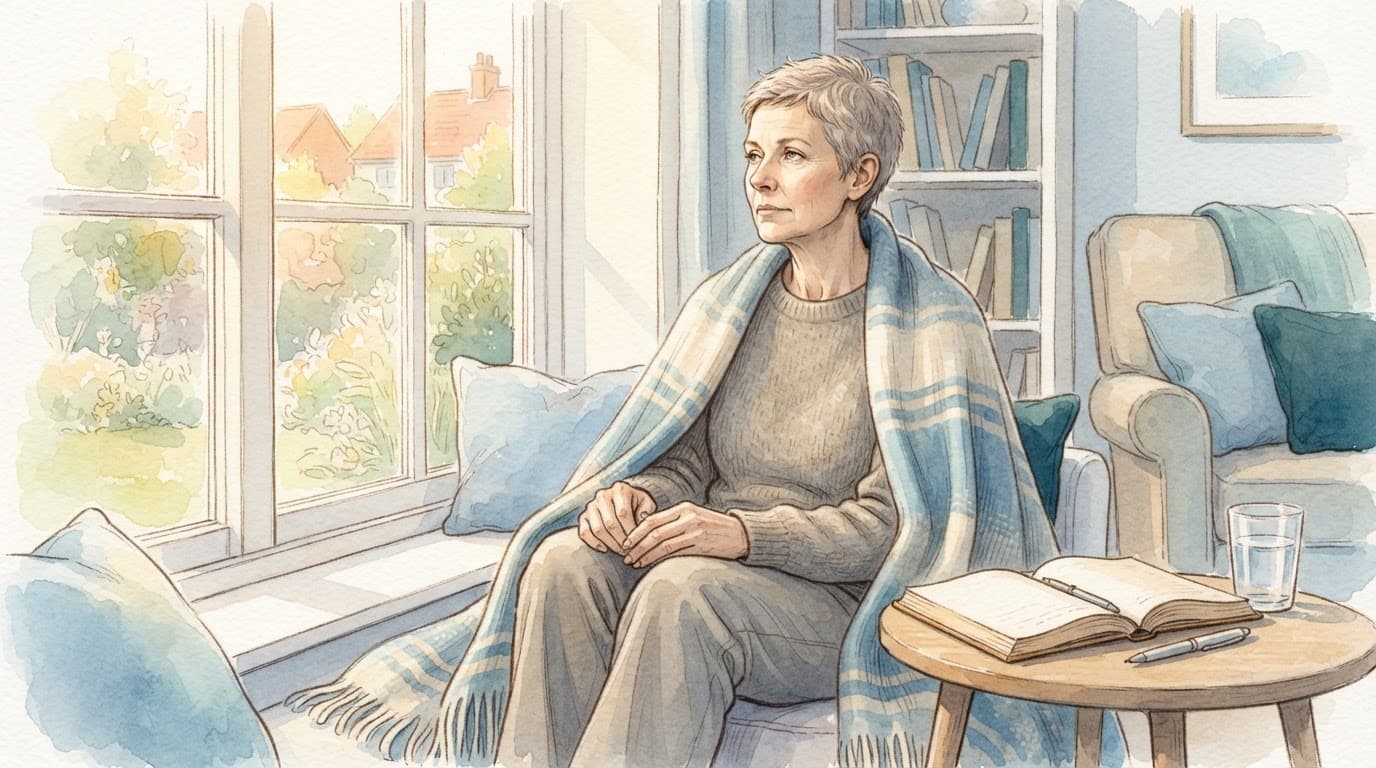
Tell your care team if fear, panic, sadness, or sleep problems make daily life feel impossible. You deserve help with the emotional weight, not only the physical symptoms.
Build support that helps you feel less alone
Illness can make people feel separate from the life happening around them. Friends may not know what to say. Family members may offer help in ways that miss the mark. Still, you don’t have to carry every task and every fear by yourself.
Try being plain about what would help. You may need a ride to treatment, meals for a week, childcare, help with bills, or someone to sit beside you during an appointment. Quiet company can matter as much as advice.
The American Cancer Society’s support programs can help people find practical and emotional resources during and after treatment. A hospital social worker can also point you toward local groups, financial assistance, transportation, or counseling.
How to talk with loved ones about your diagnosis
You control the pace of the conversation. You can share every detail, share only the basics, or tell people you need time before talking. A diagnosis belongs to your life, but it doesn’t erase your right to privacy.
You might say, “I am not ready to discuss every detail, but I will tell you when I need help.” That sentence sets a boundary without shutting people out.
A group message can prevent you from repeating difficult news. You can also ask one trusted person to update others after appointments. That way, you can save your strength for treatment and rest.

For those facing months or years of care, this reflection on accepting long-term cancer treatment offers a reminder that hope can coexist with exhaustion.
When professional emotional support may help
A therapist, oncology social worker, chaplain, palliative care clinician, or support group can give you room to speak openly. They can help with fear, grief, strained relationships, body changes, and choices that feel too heavy to hold alone.
Palliative care isn’t only for the final stage of illness. The American Cancer Society’s palliative care guidance explains that it can help manage symptoms and improve quality of life at any stage of cancer.
If you feel unsafe or have thoughts of harming yourself, call or text 988 in the United States, call 911, or go to the nearest emergency room. You deserve immediate care and company in that moment.
Take back a sense of control during treatment
A diagnosis takes many choices out of your hands. You can’t control scan results or how quickly your body heals. You can still take part in your care in ways that make the path feel less confusing.
Keep one notebook or phone note for medications, symptoms, questions, and appointment dates. Bring it with you. Ask your clinician to explain words you don’t understand. Ask what a treatment may help with, what side effects need a call, and what changes you should report.
Bring a support person when possible. They can take notes or remember details when your mind feels crowded. If no one can come, ask whether you can record instructions for your own use.

Questions that protect your priorities
Your care should make room for the life you want to protect. Tell your team about pain, sleep, work, money concerns, fertility, eating problems, and worries about being a caregiver or parent. These aren’t side issues. They affect your ability to get through treatment.
You can also ask about advance care planning. It doesn’t mean you expect the worst. It gives your loved ones and medical team a clearer picture of what matters to you if you can’t speak for yourself. Advance care planning resources from MD Anderson can help you begin those conversations.
Let your goals change with your energy
Goals may look different now. Getting through a week of treatment may be enough. Taking a short walk may be enough. Getting out of bed may be enough.
Comparison can steal the meaning from your own progress. Someone else may return to work quickly. Someone else may have fewer side effects. Their body and their story aren’t yours.
Choose goals that feel possible today
Try setting one goal for your body, one for your responsibilities, and one for your spirit. Your body goal may be drinking enough water. Your responsibility may be calling the insurance company. Your spirit may be listening to music, sitting beneath a tree, praying, drawing, or watching your child play.
Small moments aren’t small when life has changed. A laugh at the dinner table can become a landmark. So can a familiar taste, a good night’s sleep, or a morning when you feel a little more like yourself.
The stories in Cancer Fighter’s Journal honor that kind of courage, the kind that shows up in ordinary days when no one else sees the effort.
Finding a new normal after treatment or during remission
The end of active treatment can bring relief, but it can also bring fear. Appointments become less frequent. People may expect celebration while you wonder if every ache means the illness returned.
This response makes sense. Your body and mind have lived through uncertainty. Moving forward doesn’t require forgetting what happened or becoming the person you were before diagnosis.
Make room for fear of recurrence
Tell your care team about new symptoms and keep your follow-up appointments. Ask which changes need an urgent call and which concerns can wait. Clear guidance can keep worry from filling every empty space.
Scan anxiety may return before tests, even years later. Plan something gentle for that day, such as a favorite meal, a walk with a friend, or time without extra obligations. You aren’t weak because waiting feels hard.
Build a life that includes the truth
Some people need rehabilitation, pain care, counseling, or help returning to work. Others need time to mourn the version of life they expected. Both needs are real.
Your new normal may include scars, medications, more appointments, and a sharper awareness of time. It can also include new boundaries, closer relationships, and a clearer sense of what deserves your energy.
Frequently Asked Questions
Is it normal to feel angry after a diagnosis?
Yes. Anger can rise when illness interrupts plans, changes your body, or makes life feel unfair. Let the feeling move through safe outlets such as talking, writing, crying, or physical activity your care team approves.
What if I can’t stay positive?
You don’t have to stay positive. No one can carry constant optimism through serious illness. Aim for honesty instead, and let support meet you where you are.
Should I bring someone to every appointment?
If you can, bringing someone to major appointments can help. They can take notes and ask questions you may forget. If you prefer privacy, ask for written instructions before you leave.
How can I help a friend with cancer without saying the wrong thing?
Start with a simple message: “I’m here, and I’m thinking of you.” Then offer one practical thing, such as a ride, a meal, or help with errands. Listen more than you speak.
What if my family wants more information than I want to share?
You can set limits. Repeat a short response when needed, such as, “I will share updates when I am ready.” Boundaries protect your energy during a time when you need it most.
The next step is enough
Acceptance of diagnosis is not a single decision. It comes in waves, and some days will feel heavier than others.
Honest feelings, trusted support, informed care, flexible goals, and professional help can give you steadier ground. You only need to face the next step today.
Asking for help is strength, not failure.