
One number can change the plan after CAR T-cell therapy: 100.4 F (38.0 C). A sudden fever with chills may feel like another hard treatment day, yet it can be the first sign that you need prompt medical care.
CAR T cell therapy is an immunotherapy and cancer treatment that uses engineered T cells to help your immune system fight life-threatening cancer. It can also trigger cytokine release syndrome, an immune reaction that may become serious quickly.
The response is often manageable when the care team catches it early. Knowing what to watch for helps you act quickly and contact your healthcare provider promptly.
Key Takeaways
- Cytokine release syndrome (CRS) can begin within the first few days after CAR T-cell infusion, but it may also appear after discharge.
- A temperature of 100.4 F (38.0 C) or higher is a reason to call your CAR T team right away, even if the temperature later comes down.
- Shortness of breath, low oxygen, dizziness, fainting, confusion, a racing heartbeat, or a sudden decline require immediate emergency help.
- ICANS can affect thinking, speech, writing, movement, and alertness; new neurological changes should be reported promptly.
- Treatment may include close monitoring, tocilizumab, corticosteroids, oxygen, intravenous fluids, antibiotics when infection is possible, and medicines to support blood pressure.
How CAR T cells can start an immune storm
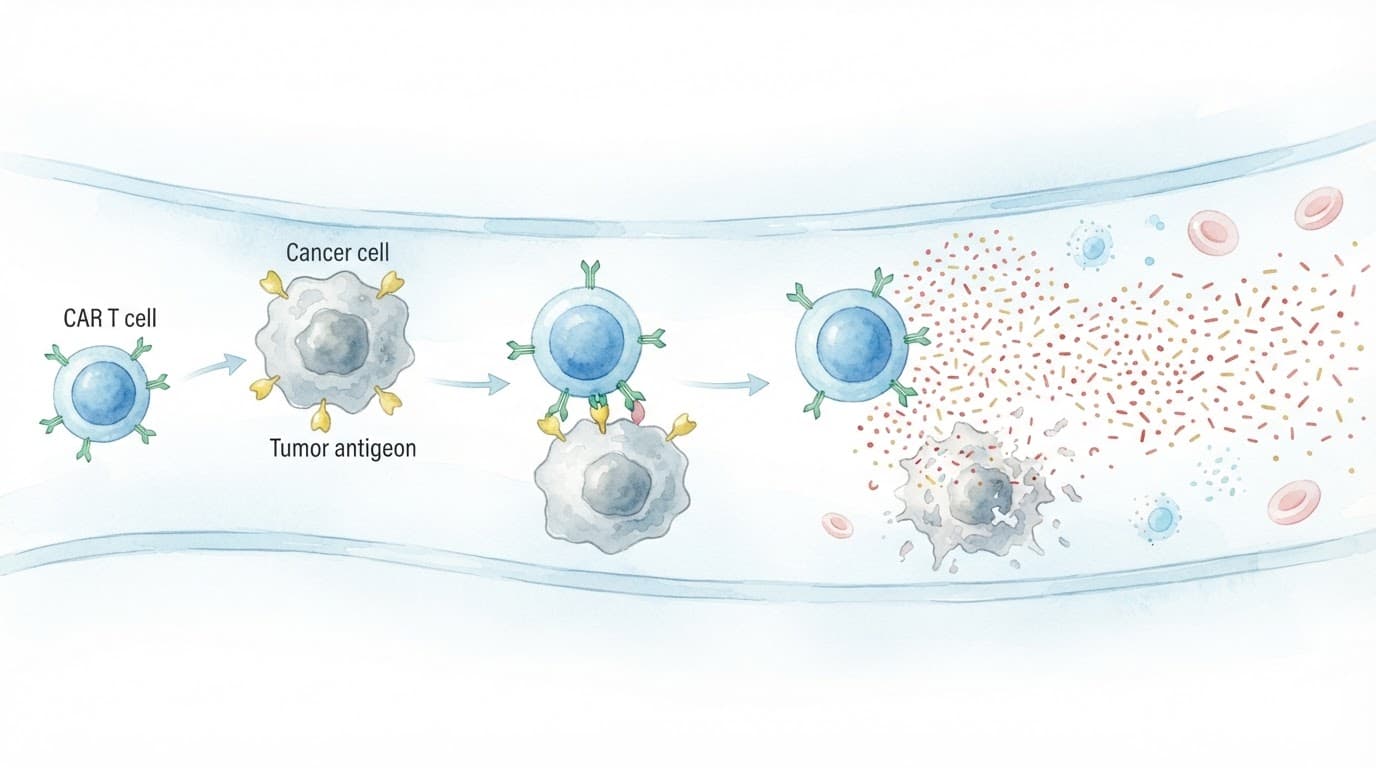
CAR T treatment uses your own T cells, which are white blood cells that fight illness. In a lab, T cells are modified so they can recognize a target on cancer cells. After the infusion, engineered T cells get to work, multiply, and call for help from the immune system.
CAR T treatment is a form of immunotherapy. Some bispecific antibodies and certain monoclonal antibodies can also trigger cytokine-driven reactions, but this section focuses on CAR T treatment.
That call for help relies on cytokines. These small proteins carry messages between immune cells. They tell the body when to gather its defenses, raise its temperature, and increase inflammation.
When helpful signals become too much
Sometimes the immune system responds too strongly. Cytokines rise in the bloodstream, and the body reacts all at once. Blood vessels can become leaky, blood pressure can drop, and oxygen levels can fall.
This overactive response is called CRS. It doesn’t mean the treatment has failed. In fact, it often means the engineered cells are active, though safety still matters. Your cancer type, active disease level, CAR T product, and overall health can shape its severity. Ask your healthcare provider about your individual risk.
Why the first days matter most
CRS often begins within the first few days after infusion, commonly around days one through five. It can also appear later, including after you leave the hospital.
That is why CAR T programs watch people closely and set clear follow-up rules. The quiet after an infusion can feel reassuring. It should never replace the plan your treatment center gave you.
Cytokine release syndrome: early symptoms to take seriously
CRS may start with flu-like symptoms. Nausea, headache, chills, muscle aches, weakness, and fatigue can all appear early. Because these are flu-like symptoms, it can be tempting to wait and see.
Don’t make that call alone. An elevated temperature can also point to an infection, and infection after cancer treatment needs fast attention too. After immunotherapy, a healthcare provider must determine whether the cause is an infection, an infusion reaction, or the syndrome.
Fever is the first signal
The American Society for Transplantation and Cellular Therapy defines the syndrome as beginning at 38.0 C, or 100.4 F. Their consensus grading framework for CRS also looks closely at circulation and oxygen needs.
Call your CAR T team right away for a temperature of 100.4 F or higher, even if it comes down. Follow the instructions your center gave you about temperature-lowering medicine, since taking it too soon can hide a useful warning sign.
An elevated temperature after CAR T isn’t a symptom to solve at home first. It is a reason to seek medical care from the treatment team.
Signs that need emergency care
A clinical review of CRS assessment and management describes how quickly the syndrome can progress to a drop in pressure, poor oxygen levels, and organ stress. Seek emergency help immediately if you notice severe symptoms:
- Shortness of breath, chest tightness, blue lips, or a new need for oxygen.
- Dizziness, fainting, a racing heartbeat, or weakness so severe that standing feels unsafe.
- Rapid swelling, much less urine than usual, or worsening fatigue that feels different from ordinary treatment tiredness.
- An elevated temperature with shaking, confusion, or any sudden decline.
If you can’t reach the CAR T team promptly, contact a healthcare provider. Urgent care isn’t a substitute for your team or emergency services when severe symptoms occur. Call emergency services or go to the nearest emergency room. Bring your CAR T treatment card or discharge paperwork if you have it.
ICANS can affect the brain and nervous system
CRS is not the only urgent side effect after CAR T cell therapy, an immunotherapy that activates the immune system. Immune effector cell-associated neurotoxicity syndrome, known as ICANS, can affect the brain and nervous system. It may occur with the same immune reaction, after it, or on its own.
Fatigue can make anyone feel foggy, but neurological toxicity is different from ordinary treatment side effects. It can change how a person thinks, speaks, writes, moves, or stays awake.
New neurological changes need a fast call
Tell the team right away about confusion, trouble finding words, slurred speech, unusual sleepiness, severe headache, shaking, or a seizure. Some people struggle to write a familiar sentence or answer simple questions they would normally answer with ease.
A person who already has a tremor, perhaps from Parkinson’s disease, should report any clear change from baseline to a healthcare provider after CAR T. The same goes for someone with a past stroke, neuropathy, or memory concerns. Your baseline matters, but new symptoms still matter more.
Why CRS and neurological toxicity need different care
The care team may check orientation, attention, handwriting, language, and movement several times a day. Modified T cells can remain active, so these short tests help them see changes early.
Tocilizumab can help treat the inflammatory syndrome, but it does not treat neurological toxicity by itself. Doctors often use other measures, including corticosteroids, when neurologic toxicity appears. CAR T-cell therapy explained in plain language can help you and your caregiver understand why close observation continues even after an early calm period.
How the hospital team treats CRS
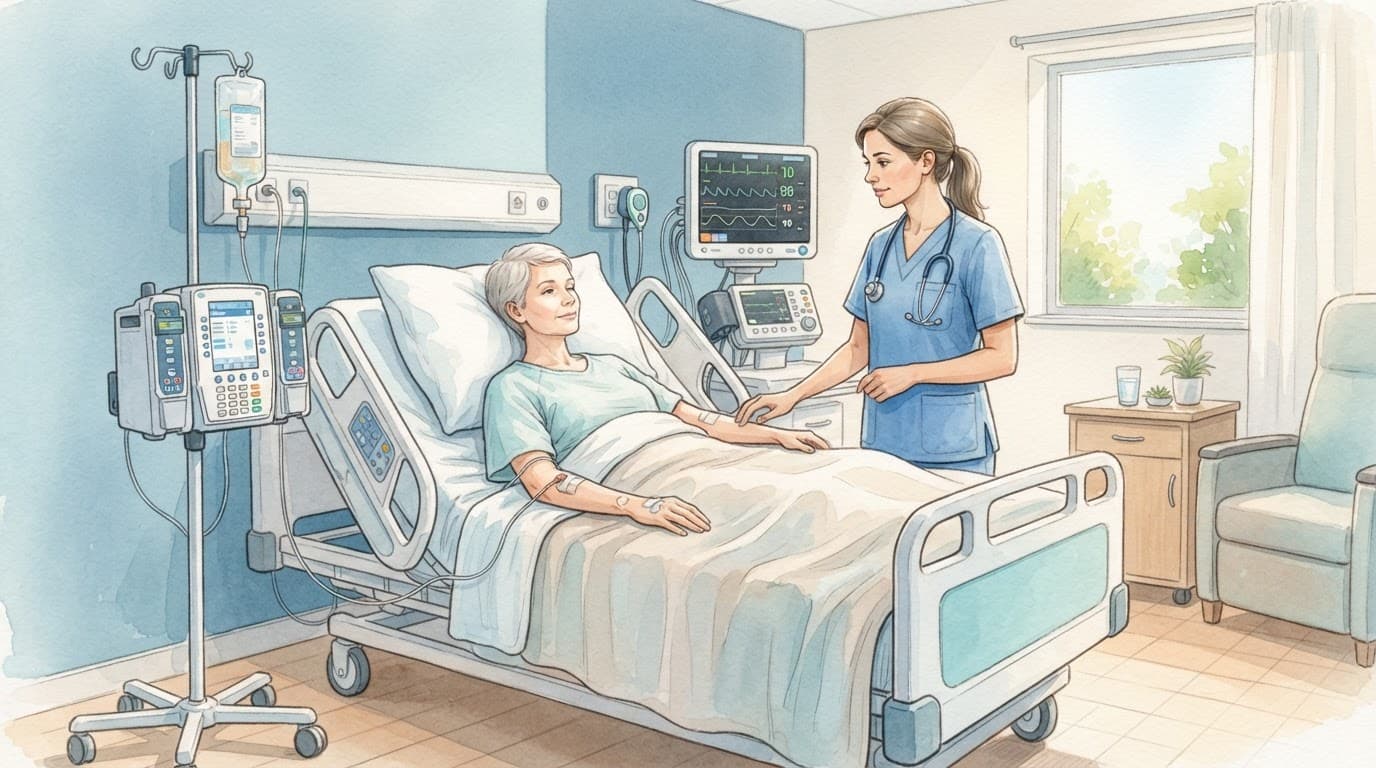
Serious cytokine release syndrome can become a potential oncologic emergency. Activated T cells can quickly intensify this life-threatening reaction. During immunotherapy, a healthcare provider checks your temperature, heart rate, circulation, breathing, oxygen level, fluid balance, and mental status.
They also look for infection. Blood tests, cultures, imaging, and other checks can distinguish the reaction from sepsis or an infusion reaction, or reveal both problems at once. Product-specific protocols also matter when similar reactions follow bispecific antibodies.
Grading focuses on circulation and oxygen
Grade 1 means fever without low blood pressure or low oxygen. More serious grades depend on how much support the body needs, such as intravenous fluids, medicines that support circulation, or increasing levels of oxygen.
Once treatment starts with temperature-lowering medicine, tocilizumab, or steroids, temperature may no longer guide the grade. The team then watches circulation and oxygen needs most closely. This approach prevents a lower temperature from creating false reassurance.
Medicines and supportive care work together
Tocilizumab is among the monoclonal antibodies used to block interleukin-6, one of the cytokines that can drive CRS. Doctors often use it for clinically significant reactions. The healthcare provider may add corticosteroids when the reaction is severe, lasts too long, doesn’t respond as hoped, or occurs with neurologic toxicity.
Oxygen, intravenous fluids, antibiotics when infection remains possible, and medicines that raise blood pressure can support vital functions and control inflammation. Some people need intensive care for close monitoring. The evidence review of anticytokine therapy and corticosteroids explains why teams match treatment to the severity of the reaction.
Preparing for the days after discharge
Leaving the hospital can bring relief, but it can also feel like stepping outside without the usual rails. Keep your phone charged, your thermometer nearby, and your CAR T center’s after-hours number where you and your caregiver can find it.
The infused T cells may remain active after discharge. CRS can still develop, and some side effects from this immunotherapy may appear later. Keep monitoring as instructed.
Your healthcare provider knows your CAR T product, your medical history, and the risks that apply to you. Their instructions should always lead.
Keep the emergency plan plain and visible
Before you go home, make sure you and your caregiver know the answers to these practical questions:
- Which number should we call during the day, at night, and on weekends?
- Which symptoms mean call the CAR T center, and is urgent care appropriate for a particular symptom?
- Which severe symptoms mean call emergency services first, and which emergency room should we use if the center can’t be reached?
- How long must a caregiver stay nearby, and what rules apply to driving or travel?
- Should I take medicine to lower my temperature before calling, or wait for instructions?
Write down the answers. When a high temperature appears at 2 a.m., you shouldn’t have to search through a stack of papers while feeling frightened.
Give yourself permission to speak up
People in remission may still feel reluctant to call. They may worry about overreacting or disrupting a team that already carries so much. That hesitation is understandable. It is not a reason to stay silent.
A symptom report is not a complaint. It is part of treatment. On the slower days, the Cancer Fighter’s Journal offers support for people who need both practical information and a reminder that they do not carry this road alone.
Questions to bring to your CAR T team
You don’t need to memorize drug names or grading systems. You do need a CAR T cell therapy plan that fits your home, caregiver support, medical history, and distance from the treatment center.
Ask for answers you can use under pressure
Before infusion or discharge, ask your team these questions:
- How should I report a new temperature or other symptoms after immunotherapy to my healthcare provider?
- Could another medicine change how my T cells respond to treatment? When should I contact my healthcare provider about neurologic changes?
- How can I reach the CAR T center after hours if I have no ride or my caregiver isn’t available?
- When is urgent care appropriate, and when should I contact the CAR T center or emergency services?
- Should I drive, and when can I safely resume driving?
- What should my caregiver do if I become confused before they arrive?
- Does the same monitoring apply to bispecific antibodies?
- How long do CRS and ICANS remain possible for my specific treatment?
Clear answers turn a frightening unknown into a set of next steps.
Frequently Asked Questions
When does cytokine release syndrome usually begin after CAR T-cell therapy?
CRS often begins within the first few days after infusion, commonly around days one through five. It can also develop later, including after you leave the hospital, so continue monitoring as instructed.
What temperature should I report after CAR T-cell therapy?
Call your CAR T team right away for a temperature of 100.4 F (38.0 C) or higher, even if it comes down. Follow your treatment center’s instructions about temperature-lowering medicine, since it may hide an important warning sign.
How is cytokine release syndrome treated?
The hospital team monitors circulation, oxygen levels, breathing, fluid balance, temperature, and mental status while also checking for infection. Treatment may include tocilizumab, corticosteroids, oxygen, intravenous fluids, antibiotics, or medicines that support blood pressure, depending on the severity.
What is the difference between CRS and ICANS?
CRS mainly affects the body’s inflammatory response and can cause fever, low blood pressure, and low oxygen. ICANS affects the brain and nervous system, causing changes such as confusion, trouble finding words, unusual sleepiness, shaking, or seizures.
When should I call emergency services?
Call emergency services or go to the nearest emergency room for severe shortness of breath, blue lips, fainting, confusion, a seizure, or a sudden serious decline. If you cannot reach your CAR T team promptly, contact a healthcare provider rather than waiting at home.
A fast response protects you
This reaction can sound frightening because it is serious. Your CAR T team expects it, monitors for it, and has treatments ready. Active T cells still require observation, even when you feel well.
The strongest move isn’t to push through a new symptom or explain it away. Report it early, follow your CAR T center’s escalation plan, and don’t treat it like an ordinary urgent care visit.
Courage after CAR T can look like making the call.

Leave a Reply
You must be logged in to post a comment.